Diving in Indonesia vs the Philippines
Which Destination Is Right for Your Next Dive Trip?
Indonesia and the Philippines are two of the most celebrated scuba diving destinations in the world — and for good reason. Both sit within the Coral Triangle, the global epicenter of marine biodiversity, and both offer extraordinary diving experiences ranging from vibrant coral reefs and big-animal encounters to world-class macro and muck diving.
For divers planning a trip to Southeast Asia, choosing between Indonesia and the Philippines can be surprisingly difficult. On the surface, the two countries share many similarities: warm tropical waters, colorful reefs, abundant marine life, and a strong dive tourism infrastructure. Look a little closer, however, and each destination reveals a distinct personality shaped by geography, ocean conditions, and local diving culture.
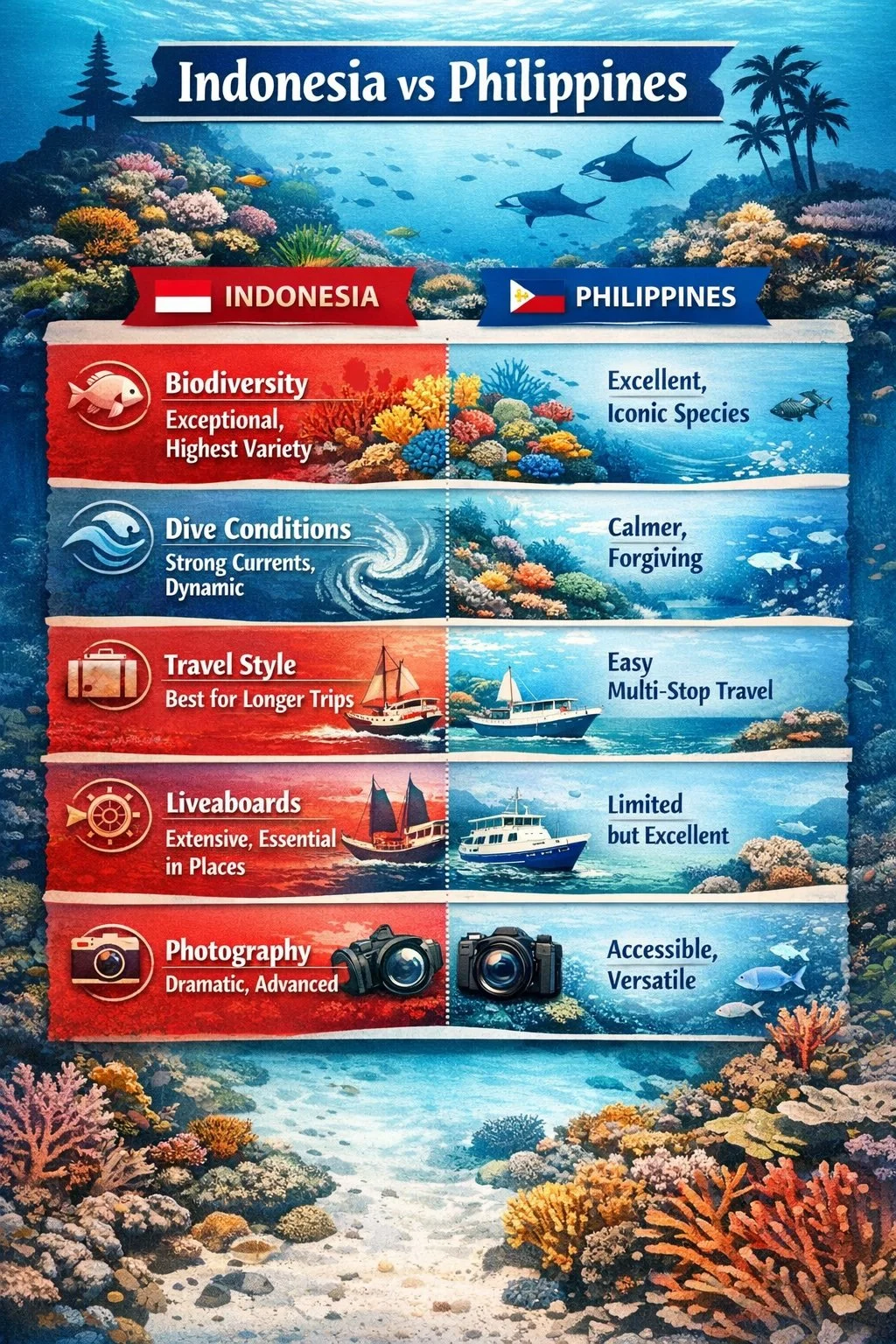
Indonesia is vast, wild, and dramatic — known for powerful currents, remote locations, and some of the most pristine reefs on the planet. The Philippines, by contrast, often feels more accessible and relaxed, offering exceptional biodiversity, calmer conditions in many areas, and some of the best macro and critter diving in the region.
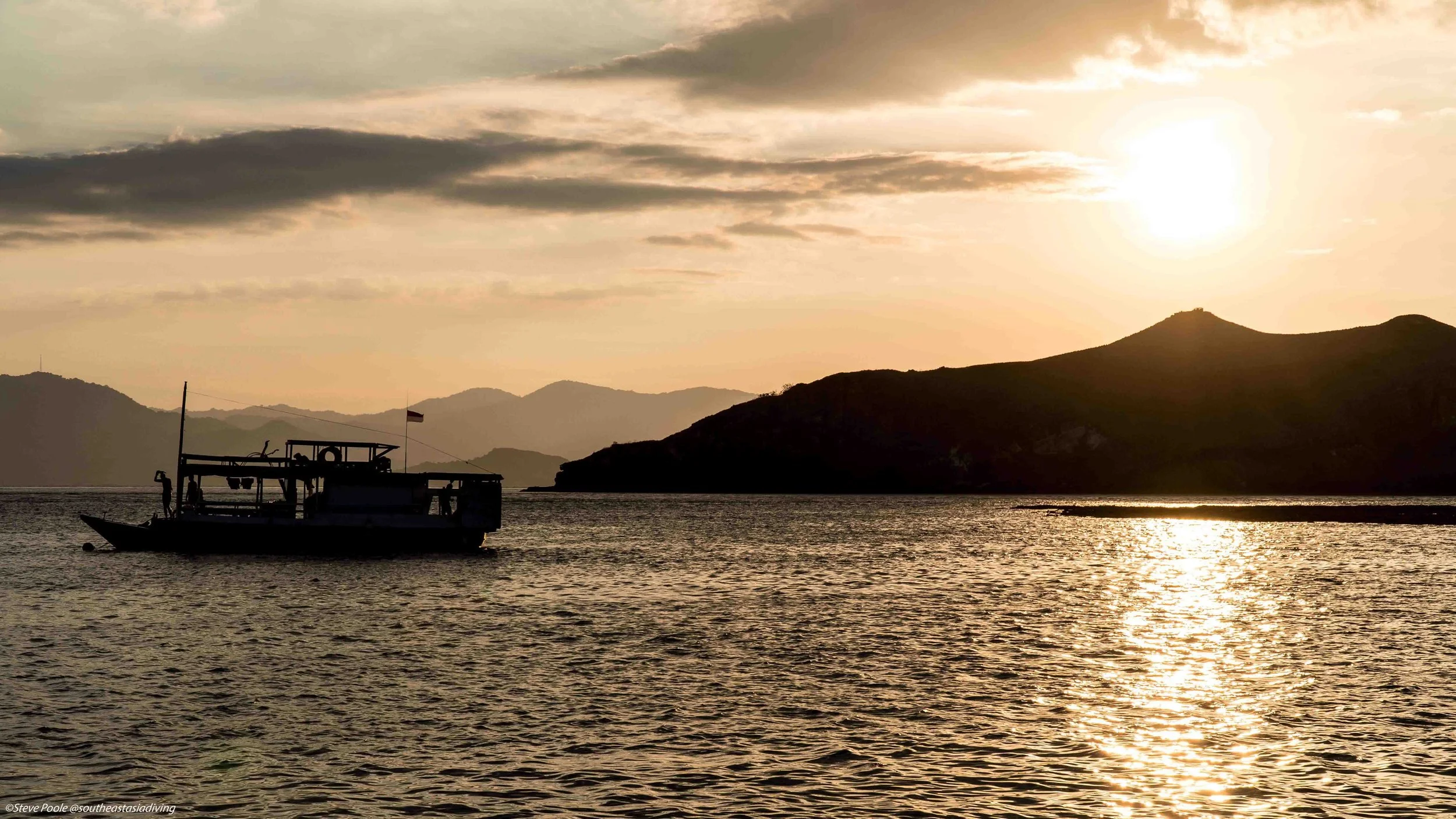
Sunset over Komodo, Indonesia
In this guide, we’ll compare diving in Indonesia vs the Philippines across key factors that matter most to divers: marine life, dive conditions, accessibility, costs, experience levels, photography opportunities, and overall dive style. Whether you’re a beginner planning your first international dive trip or an experienced diver looking for your next big adventure, this comparison will help you decide which destination best matches your diving goals.
How This Comparison Is Structured
To keep things practical and easy to navigate, we’ll compare Indonesia and the Philippines across the following areas:
Marine biodiversity & iconic encounters
Reef diving vs muck & macro diving
Dive conditions (currents, visibility, temperature)
Accessibility & travel logistics
Cost & value for divers
Best destinations in each country
Who each destination is best suited for
Big Picture Overview: Indonesia vs Philippines
Before diving into specifics, it helps to understand the overall character of diving in each country.
Indonesia is about scale and intensity. With more than 17,000 islands, it offers dramatic underwater landscapes, strong currents that attract large fish life, and remote destinations that reward experienced divers. Sites like Komodo, Raja Ampat, and Banda Sea are often described as “next level” diving.
The Philippines excels in diversity and accessibility. Short travel distances between regions, calmer conditions at many sites, and an incredible mix of reef, macro, and pelagic encounters make it an appealing choice for a wide range of divers — from beginners to underwater photographers and critter hunters.
Neither destination is “better” — they’re simply different.
Marine Life & Biodiversity
Both Indonesia and the Philippines sit at the heart of the Coral Triangle, the most biologically diverse marine region on Earth. As a result, divers visiting either country can expect exceptional reef health, an abundance of fish life, and encounters ranging from tiny macro critters to large pelagic species. While the biodiversity overlap is significant, each destination offers a slightly different underwater character and emphasis.
Indonesia: Sheer Scale & Density
Indonesia’s strength lies in its sheer scale and habitat variety. With thousands of islands spread across multiple seas, the country offers an extraordinary range of underwater environments — from nutrient-rich currents and seamounts to protected bays and volcanic muck sites.
Divers in Indonesia often experience:
Extremely high fish biomass, especially in places like Raja Ampat and Komodo
Dense schools of reef fish, including fusiliers, snappers, and barracuda
Frequent sightings of reef sharks, rays, and pelagic species in current-swept areas
World-class macro life in regions such as Lembeh, Ambon, and parts of Bali
Indonesia is also home to some of the highest recorded marine species counts in the world. In areas like Raja Ampat, divers routinely encounter vibrant soft corals, healthy hard coral coverage, and an overwhelming sense of underwater abundance on a single dive.
Philippines: Diversity with Accessibility
The Philippines offers similarly rich biodiversity, but often in a more compact and accessible format. With many dive destinations reachable by short domestic flights or boat transfers, divers can experience a wide range of marine life without extensive travel.
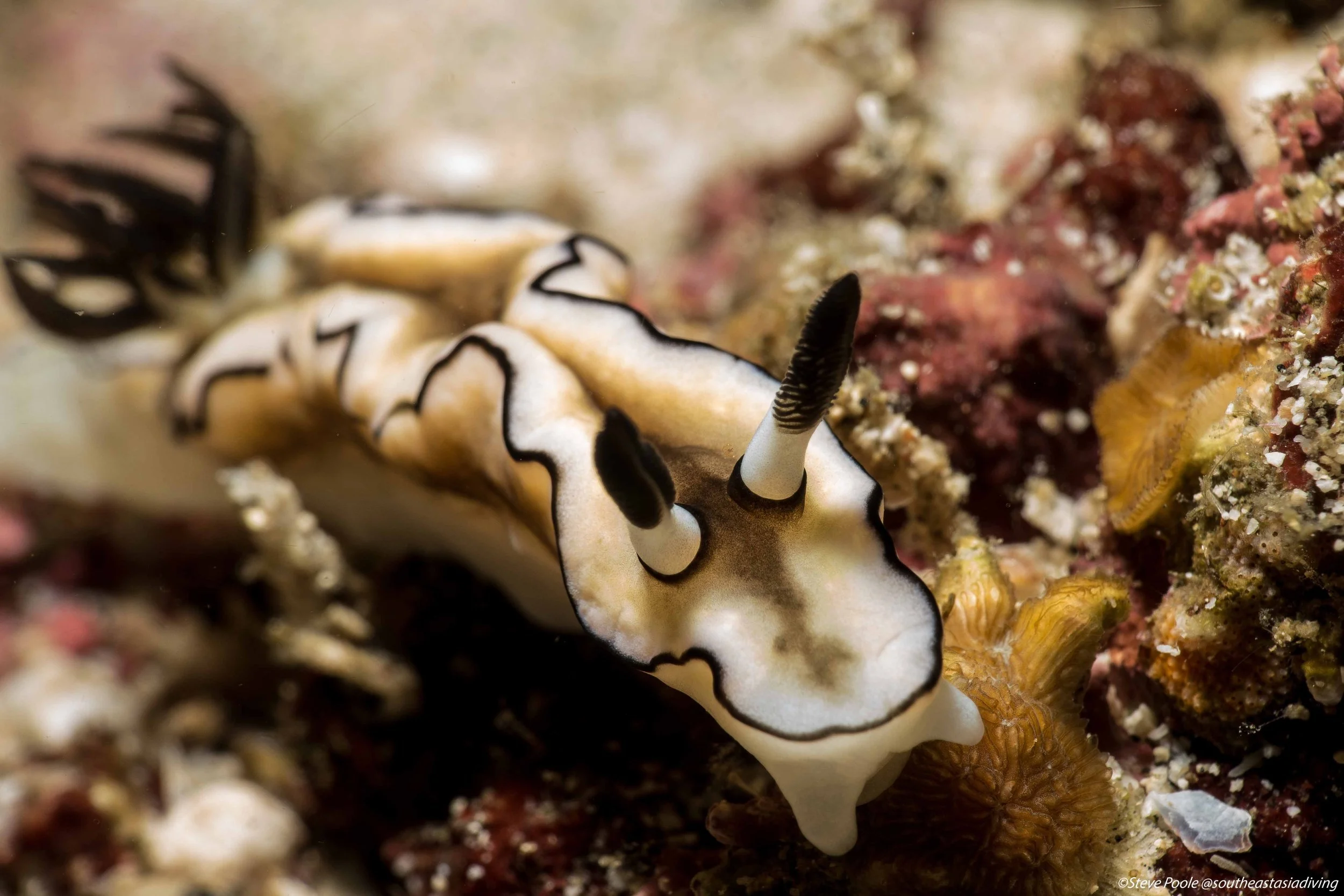
Anilao, Philippines excels for macro subjects such as Nudibranchs
The Philippines is particularly known for:
Consistent encounters with turtles, reef sharks, and schooling fish
Excellent macro diving in areas like Anilao and Dauin
Iconic big-animal encounters, including whale sharks and thresher sharks at specific sites
Well-established reef systems with strong local protection in places like Apo Island and Tubbataha
While fish biomass may feel less overwhelming than Indonesia’s most remote sites, Philippine dive destinations often deliver high-quality, reliable encounters, especially for photographers and divers who enjoy slower, more observational diving.
Macro vs Big Life Balance
Both countries excel in macro diving, but with slightly different flavors:
Indonesia is often associated with extreme macro diversity and rare critters, particularly in muck-diving hotspots
The Philippines combines excellent macro with more frequent reef and mid-sized pelagic encounters on the same trip
For big marine life:
Indonesia offers stronger chances of manta rays, sharks, and large schools at current-driven sites
The Philippines stands out for predictable encounters with species like thresher sharks and whale sharks at specific locations
Overall Biodiversity Experience
In simple terms:
Indonesia often feels vast, intense, and biologically overwhelming
The Philippines feels diverse, approachable, and consistently rewarding
Biodiversity: Which Is “Better”?
Neither destination is objectively better — they simply offer different expressions of biodiversity.
Indonesia tends to deliver greater overall scale, fish biomass, and ecosystem variety, particularly in remote or current-driven areas.
The Philippines shines in accessibility, reliability, and iconic species encounters, often in calmer conditions.
For many divers, the ideal approach is not choosing one over the other, but understanding which destination better matches their experience level, interests, and diving style.
Dive Conditions & Currents
Dive conditions are one of the most significant differences between Indonesia and the Philippines, and often play a key role in deciding which destination is right for a particular diver.
Indonesia: Current-Driven, Dynamic Diving
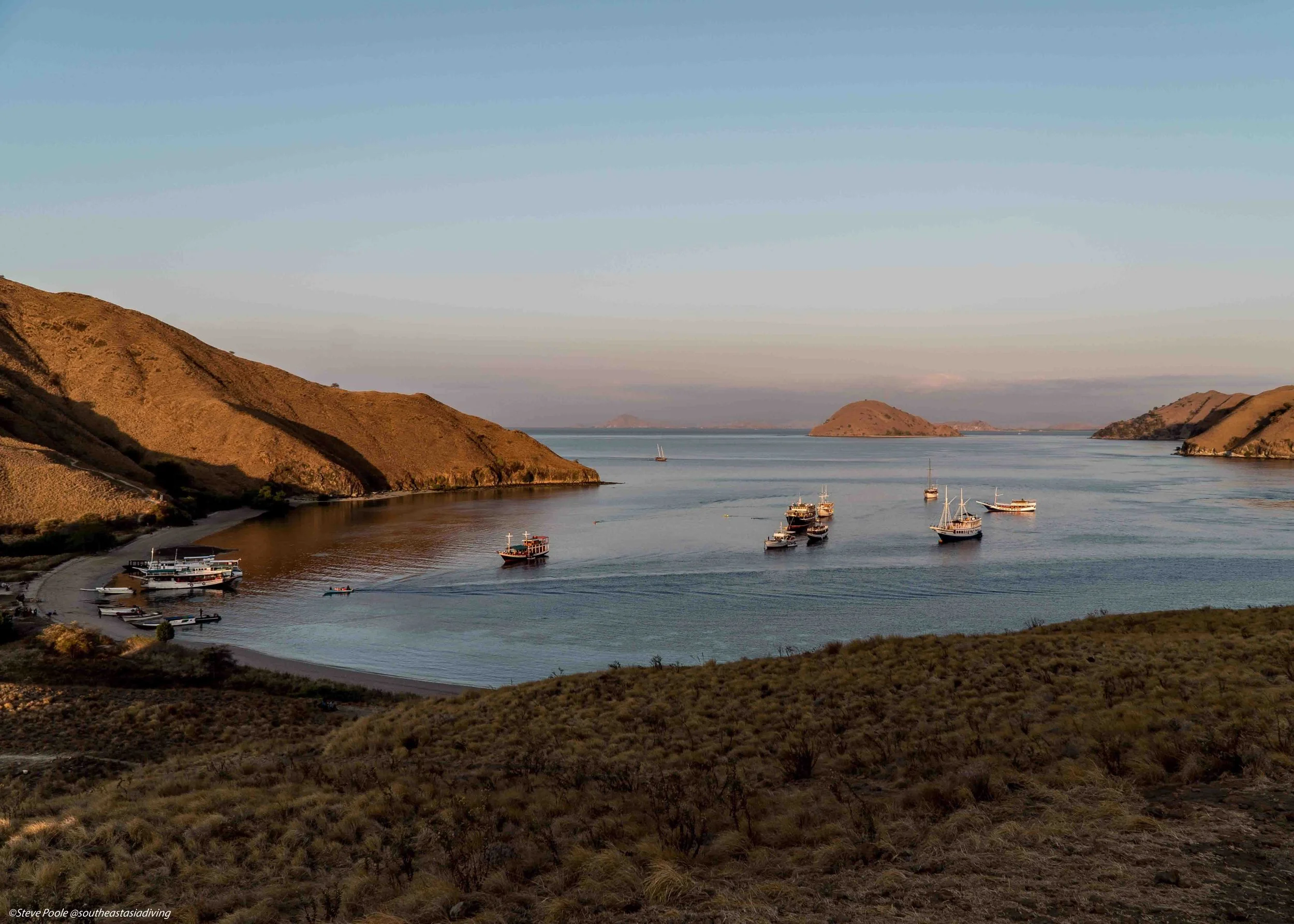
Komodo, Indonesia is famous for its strong currents
Indonesia is famous — and sometimes infamous — for its currents. Many of the country’s most celebrated dive sites sit between major bodies of water, where tidal flow creates nutrient-rich conditions and spectacular marine life.
What divers can expect:
Strong, variable currents in places like Komodo, Alor, and parts of Raja Ampat
Drift diving as a common experience
Cooler thermoclines in certain regions
Sites that demand good buoyancy, awareness, and experience
These currents are a major reason Indonesia’s reefs are so productive, but they also mean some sites are better suited to advanced or confident intermediate divers. When conditions align, the reward is dramatic action, schooling fish, and unforgettable dives.
Philippines: Generally Milder & More Predictable
The Philippines typically offers calmer, more forgiving dive conditions, making it accessible to a wider range of divers.
Common characteristics include:
Mostly mild to moderate currents
Many sites suitable for Open Water divers
Consistent conditions ideal for training, photography, and relaxed dives
Occasional strong currents at specific sites (e.g. Monad Shoal, parts of Tubbataha)
This makes the Philippines especially appealing for:
Newer divers
Macro photographers
Divers who prefer slower, more controlled dives
Longer bottom times without challenging conditions
Conditions Summary
Indonesia: dynamic, current-driven, high-energy diving with big rewards
Philippines: calmer, more predictable, and accessible for most divers
Both offer year-round diving depending on region and season
Cost & Travel Logistics
When comparing diving in Indonesia vs the Philippines, cost and logistics play a major role in trip planning. Both countries offer exceptional value for divers, but the experience of getting there — and moving around once you arrive — can feel quite different.
Getting There & Domestic Travel
Remote reef destinations like Tubbataha and Indonesian hotspots benefit from travel insurance.
Whether you’re comparing Tubbataha in the Philippines or remote Indonesian destinations such as Raja Ampat, Alor or Komodo, both sides of this region involve long crossings, weather-dependent transport, and limited nearby medical infrastructure. Access is often by liveaboard or inter-island transfer, and logistics can shift with conditions.
For remote dive trips like these, comprehensive travel insurance is strongly advisable. On previous trips throughout Southeast Asia, we’ve used World Nomads , as their policies are designed with adventure travel and scuba diving activities in mind.
Disclosure: The link above is an affiliate link, meaning we may earn a small commission if you choose to purchase — at no additional cost to you. We only recommend services we have personally used or researched carefully.
Always review policy wording carefully to confirm dive coverage, depth limits, evacuation provisions, and liveaboard provisions where relevant.
Indonesia
Indonesia is vast, stretching across thousands of islands, and reaching some of its top dive destinations often involves multiple domestic flights or boat transfers. While this can add time and complexity, Indonesia’s domestic flight network is extensive and relatively affordable once you’re in the country.
Destinations such as Raja Ampat, Komodo, Alor, and the Banda Sea are typically reached via connecting flights followed by boat transfers. Travel days are often longer, but many divers feel the effort is rewarded with remote sites, dramatic landscapes, and less-developed dive regions.
Philippines
The Philippines is generally simpler logistically, especially for shorter trips. Many popular dive destinations — including Anilao, Puerto Galera, Dauin, and Malapascua — are reachable via a single domestic flight or even an overland transfer from Manila.
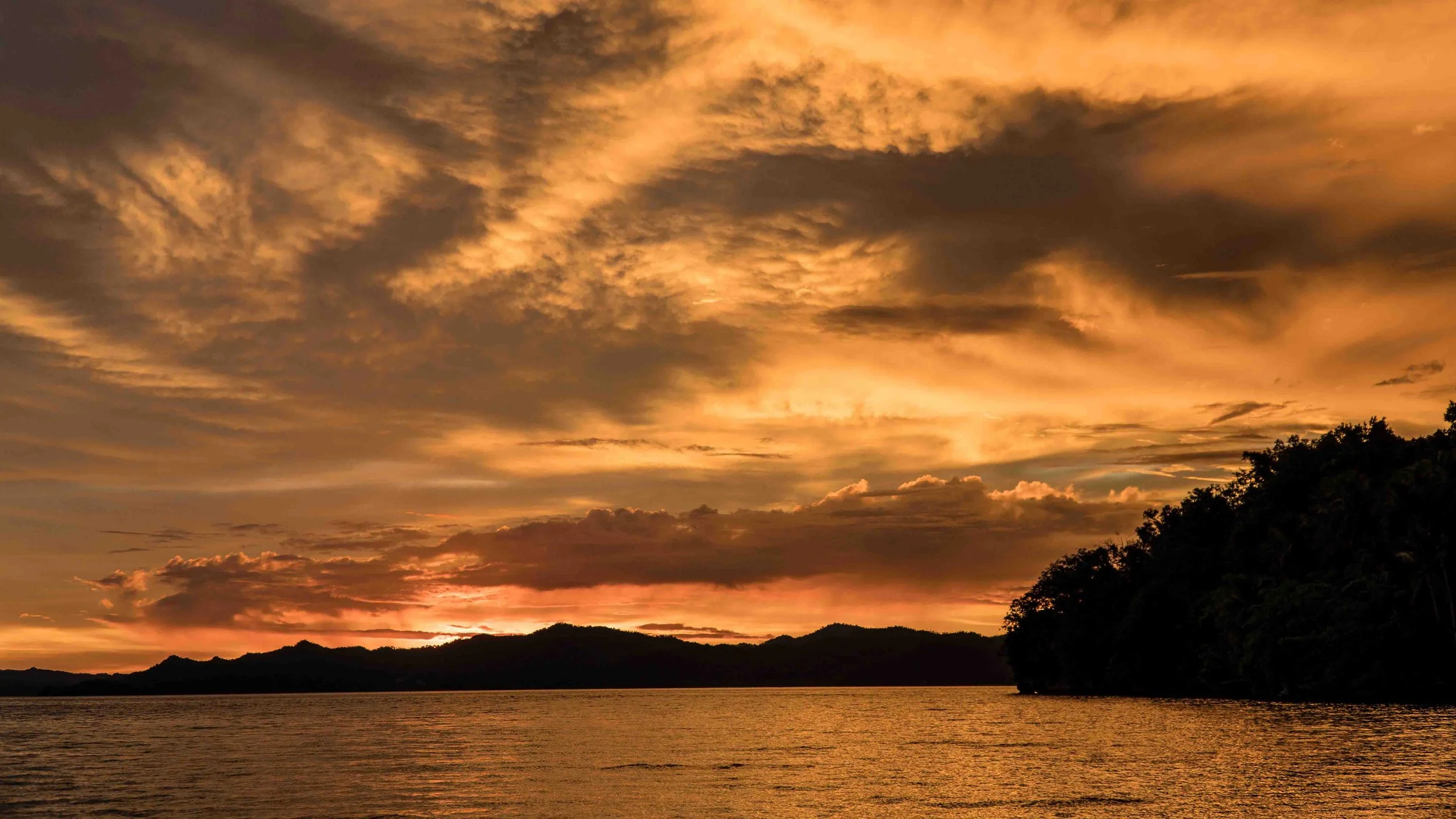
Sunset over Raja Ampat, Indonesia
Because distances are shorter, it’s easier to move between regions without losing too many dive days to travel. This makes the Philippines especially appealing for divers with limited time or those planning their first Southeast Asia dive trip.
Liveaboard Diving
Indonesia
Indonesia is widely considered one of the world’s premier liveaboard destinations. Liveaboards are often the best — and sometimes the only — way to access remote regions such as:
Raja Ampat
Komodo National Park
Banda Sea
Forgotten Islands
While liveaboards are typically more expensive than resort-based diving, they offer access to pristine sites, fewer divers, and a wide variety of dive environments in a single trip.
Philippines
Liveaboards exist in the Philippines but are far less common and usually focus on specific routes rather than remote exploration. Many divers prefer land-based resorts paired with local boat diving, which keeps costs lower and logistics simpler.
Accommodation & Diving Costs
Indonesia
Indonesia offers a wide range of accommodation, from basic homestays to high-end eco-resorts and luxury liveaboards. Budget options are available in places like Bali, Lembeh, and parts of Sulawesi, while remote regions tend to be more expensive due to transport and operating costs.
Dive packages are generally good value, especially considering the quality and variety of diving, though costs rise in remote or protected areas.
Philippines
The Philippines is often seen as one of the most budget-friendly dive destinations in Southeast Asia. Accommodation, food, and diving costs are typically lower, particularly in well-established dive towns.
This makes the Philippines a strong option for:
Longer stays
Photography workshops
Divers traveling on tighter budgets
Combining Multiple Destinations in One Trip
Indonesia
While Indonesia offers incredible diversity, combining multiple destinations in one trip often requires careful planningand additional travel days. That said, it’s possible to pair regions such as:
Bali + Komodo
Lembeh + Bangka
Raja Ampat + Banda Sea (via liveaboard)
Trips tend to be more immersive and focused, rather than fast-paced.
Philippines
The Philippines excels at multi-destination trips. Divers can realistically combine two or even three regions in a single itinerary — for example:
Anilao + Dauin
Malapascua + Bohol
Puerto Galera + Coron
Short travel distances and frequent domestic flights make it easy to experience varied diving styles without excessive transit time.
Overall Cost & Logistics Comparison
Indonesia is ideal for divers seeking remote exploration, liveaboard experiences, and iconic, high-adrenaline sites — with the trade-off of longer travel times and higher costs in remote areas.
The Philippines offers simpler logistics, excellent value, and flexibility, making it perfect for divers who want to maximize underwater time and easily combine destinations.
Both countries reward planning, but how much time, budget, and complexity you’re comfortable with will strongly influence which destination suits you best.
Country Culture & Travel Experience
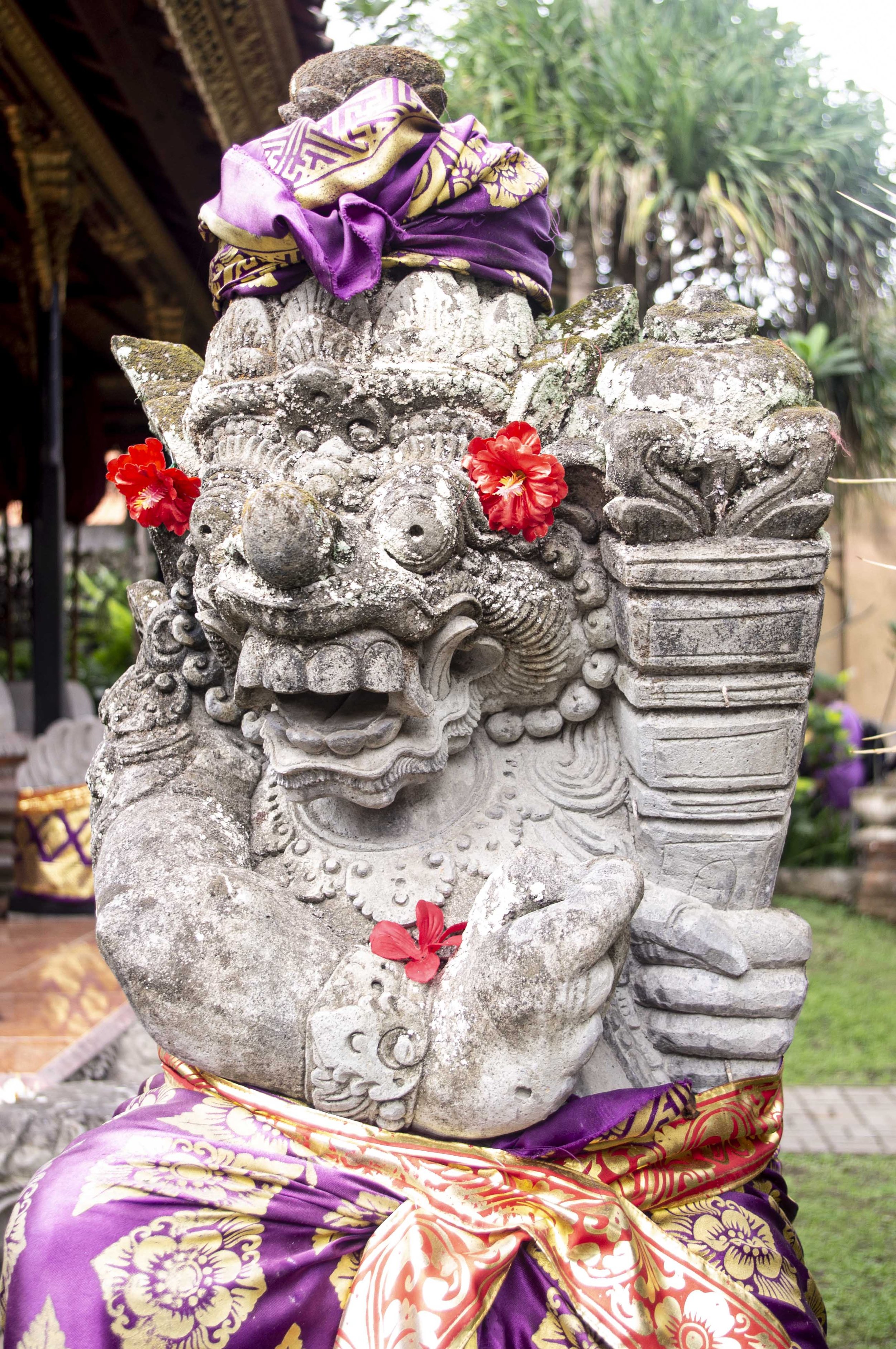
Bali, Indonesia offers unique cultural experiences
Beyond the diving itself, Indonesia and the Philippines offer very different cultural experiences, both of which add depth to a dive trip.
🇮🇩 Indonesia: Deep Traditions & Regional Diversity
Indonesia is incredibly diverse culturally, with strong regional identities shaped by religion, history, and geography. Divers often notice:
A strong sense of tradition, especially in Bali and parts of eastern Indonesia
Unique ceremonies, architecture, and local customs
A slower, more contemplative travel rhythm in remote regions
For divers visiting places like Raja Ampat, Alor, or the Banda Sea, the cultural experience often feels intimate and community-focused, especially when staying in small eco-resorts or on liveaboards that interact closely with local villages.
Indonesia suits travelers who enjoy:
Cultural depth and variety
Remote, less developed destinations
Travel experiences that feel exploratory and immersive
🇵🇭 Philippines: Warm, Social, and Easygoing
The Philippines is known for its warm hospitality, English fluency, and relaxed social atmosphere, which makes travel especially easy for first-time visitors to Southeast Asia.
Divers often find:
Friendly, outgoing local culture
Easy communication due to widespread English use
A casual, welcoming vibe in dive towns
Evenings in Philippine dive destinations often involve:
Shared meals
Beachside bars
Strong social interaction between divers, guides, and instructors
This makes the Philippines particularly appealing for:
Solo travelers
Newer divers
Those who enjoy social dive communities
🌏 Travel Feel: Which Suits You?
Indonesia feels expansive, adventurous, and sometimes challenging — rewarding divers who enjoy remoteness and depth
The Philippines feels accessible, social, and relaxed — ideal for flexible, easygoing dive travel
Both countries deliver world-class diving, but the on-land experience can strongly influence which one feels like the better fit for your travel style.
Top Dive Spots: Indonesia vs Philippines
Both Indonesia and the Philippines offer an incredible variety of dive destinations, but the style, scale, and strengths of their top sites differ in ways that can shape the overall dive experience.
🇮🇩 Top Dive Spots in Indonesia
Indonesia sits at the heart of the Coral Triangle, and its dive sites are known for sheer biodiversity, dramatic underwater landscapes, and strong currents that attract big marine life.
Raja Ampat
Often described as one of the most biodiverse marine regions on Earth, Raja Ampat delivers pristine reefs, massive schools of fish, manta rays, and thriving coral systems. It’s best suited to divers who value biodiversity and are willing to travel farther for exceptional conditions.
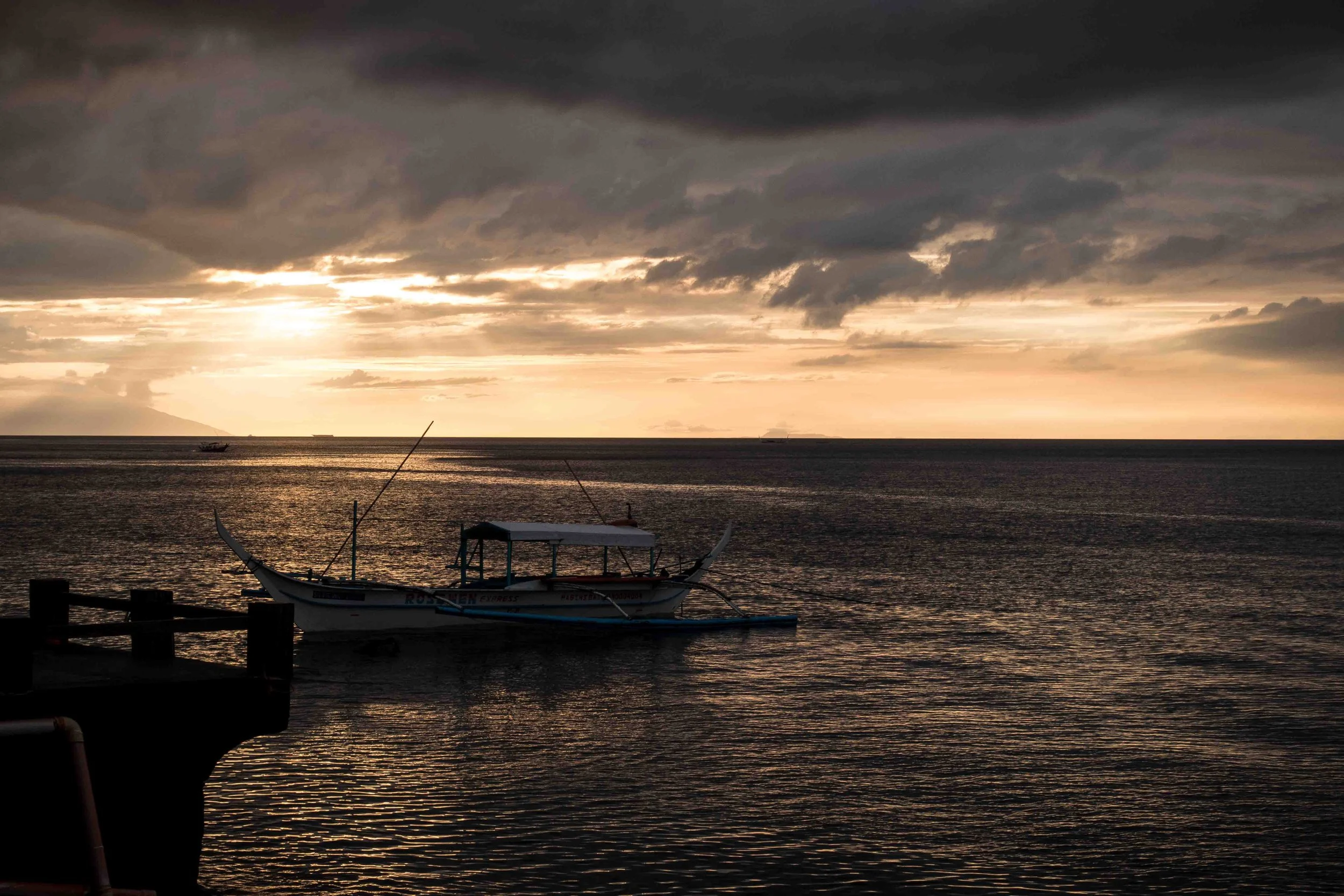
Anilao is one of the top dive spots in the Philippines
Komodo National Park
Famous for powerful currents, nutrient-rich waters, and action-packed dives. Komodo offers encounters with grey reef sharks, mantas, turtles, and dense reef life. Sites like Batu Bolong and Castle Rock are among Southeast Asia’s most exhilarating dives.
Lembeh Strait
The global capital of muck diving. Lembeh is all about macro life — rare critters, unusual behavior, and photography-focused diving. It’s a must for critter hunters and underwater photographers.
Bali (Tulamben, Nusa Penida)
Bali combines easy access with diverse diving. The USAT Liberty wreck in Tulamben is one of the world’s most accessible wreck dives, while Nusa Penida offers manta rays and seasonal mola mola encounters.
Alor & Banda Sea
Remote and less-visited, these regions are known for clear water, strong currents, and pristine reefs. They appeal to experienced divers looking for adventure and fewer crowds.
🇵🇭 Top Dive Spots in the Philippines
The Philippines excels in reef diversity, macro life, and accessibility, with many world-class sites reachable via relatively short domestic flights and transfers.
Tubbataha Reefs Natural Park
A UNESCO World Heritage Site and one of the country’s crown jewels. Accessible only by liveaboard for part of the year, Tubbataha offers pristine walls, strong shark encounters, and exceptional visibility.
Apo Reef
One of the largest reef systems in the Philippines, known for reef sharks, turtles, and dramatic walls. Often compared to Tubbataha, but more accessible year-round.
Anilao
A macro powerhouse just a few hours from Manila. Anilao is famous for nudibranchs, frogfish, pygmy seahorses, and photography-friendly diving, making it one of Southeast Asia’s top macro destinations.
Malapascua
Globally renowned for reliable thresher shark encounters at Monad Shoal. Early-morning deep dives are the highlight, with additional reef and macro sites nearby.
Dauin & Dumaguete
Volcanic sand slopes, shore diving, and exceptional critter diversity. Dauin is often compared to Lembeh but with easier logistics and calmer conditions.
Coron
Best known for its World War II wrecks, Coron offers some of Southeast Asia’s most atmospheric wreck diving alongside reef and macro sites.
How They Compare
Indonesia shines in scale and diversity, with vast reef systems, dramatic topography, and frequent current-driven action.
The Philippines stands out for accessibility and variety, with many world-class sites reachable in shorter trips and excellent options for both macro and big-animal diving.
Indonesia often feels more expansive and adventurous, while the Philippines excels at packing multiple high-quality dive experiences into a single itinerary — especially for travelers with limited time.
📸 Photo Opportunities
Both Indonesia and the Philippines offer exceptional underwater photography opportunities, but the style of shooting often feels quite different between the two countries.
Indonesia is especially well known for its variety. In a single trip, photographers can capture dramatic wide-angle scenes with schooling fish and strong currents (Komodo, Raja Ampat), classic reefscapes bursting with soft corals, and some of the world’s best macro subjects in places like Lembeh and Ambon. Indonesia is ideal for photographers who enjoy switching between wide-angle, environmental portraits, and macro, often on the same itinerary — particularly on liveaboards.
The Philippines excels in clean, accessible compositions. Many sites feature excellent visibility, striking reef structures, and iconic subjects such as thresher sharks, turtles, sardine runs, and whale sharks. Macro photography is also strong in destinations like Anilao and Dauin, but overall the Philippines tends to offer simpler dive logistics and calmer conditions, which can be appealing for photographers refining technique or building portfolios.
Across both countries, photographers will find:
Reliable marine life encounters
Strong opportunities for both wide-angle and macro
Friendly dive operations accustomed to working with photographers
Ultimately, Indonesia often appeals to photographers seeking maximum diversity and dramatic scenes, while the Philippines suits those looking for consistent conditions, iconic subjects, and ease of access — though both countries deliver world-class imagery in their own way.
Browse liveaboard and resort options in the Philippines and Indonesia
Comparing liveaboards and dive resorts across destinations like Tubbataha, Raja Ampat, Komodo, Alor and more can help you plan your preferred route, duration and timing in one place.
Disclosure: The booking tool above is an affiliate integration. If you choose to book through it, we may earn a commission at no additional cost to you. This helps support independent dive site guides like this one.
Final Thoughts: Indonesia vs Philippines — Which Is Right for You?
Choosing between diving in Indonesia and the Philippines isn’t about deciding which destination is “better” — it’s about understanding what kind of diving experience you’re looking for and how you like to travel.
Indonesia often feels vast, wild, and immersive. With its sprawling archipelago, dramatic underwater landscapes, and strong currents that fuel extraordinary biodiversity, it’s a destination that rewards time and commitment. Many trips revolve around a single region — Komodo, Raja Ampat, Banda Sea — allowing divers to fully settle into an environment and experience it at its peak. For those drawn to big schools of fish, powerful reef systems, and remote exploration, Indonesia delivers a sense of scale and intensity that’s hard to match.
The Philippines, by contrast, feels more flexible and accessible. Its island geography makes it easier to combine multiple dive destinations into one trip, often with short domestic flights or ferry rides. Divers can experience macro hotspots, big animals, and relaxed reef diving all within the same itinerary. Add to that warm hospitality, strong English proficiency, and generally gentler conditions, and the Philippines becomes an easy choice for divers who want variety without logistical complexity.
From a photography perspective, both countries shine — but in different ways. Indonesia often impresses with dramatic wide-angle scenes and high-energy dives, while the Philippines excels at approachable macro, vibrant reefs, and relaxed shooting conditions. Many photographers find themselves returning to both, depending on their creative focus at the time.
Ultimately, the decision comes down to pace, preference, and priorities. If you enjoy committing to one extraordinary region and diving it deeply, Indonesia may feel like home. If you prefer mixing destinations, styles, and experiences into a single trip, the Philippines offers remarkable flexibility.
For many divers, the real answer isn’t Indonesia or the Philippines — it’s both. Each country offers a distinct perspective on Southeast Asia’s underwater world, and together they showcase just how diverse, rewarding, and endlessly fascinating diving in this region can be.
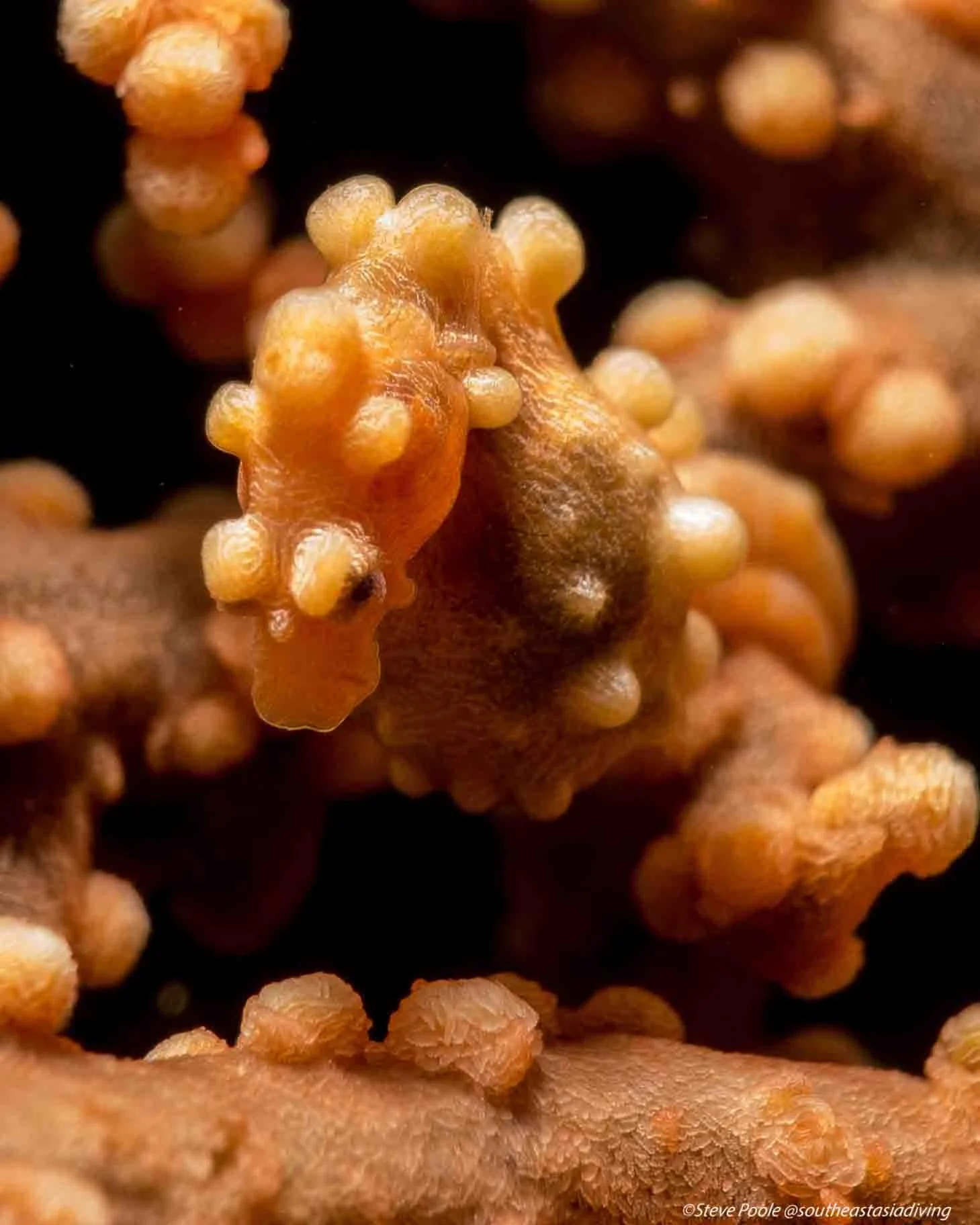
You can see pygmy Seahorses in both Indonesia and Philippines
If you’re lucky enough to explore both, you’ll quickly realize that they don’t compete — they complement each other.
❓ Frequently Asked Questions (FAQ)
Which country has better marine biodiversity — Indonesia or the Philippines?
Indonesia generally offers greater overall biodiversity, sitting at the heart of the Coral Triangle with immense species variety. The Philippines also has exceptional biodiversity, with easier access to iconic species like whale sharks, threshers, turtles, and schooling fish. Both are world-class — the difference lies in scale versus accessibility.
Is diving more challenging in Indonesia than the Philippines?
In many areas, yes. Indonesia is known for stronger currents, dynamic conditions, and advanced drift diving, particularly in places like Komodo and Raja Ampat. The Philippines tends to have calmer, more forgiving conditions, making it especially suitable for newer divers or relaxed dive itineraries.
Which destination is better for beginner divers?
The Philippines is often the better choice for beginners thanks to:
Gentler currents
Shorter boat rides
Easy shore diving in some locations
That said, Indonesia also offers beginner-friendly areas — divers just need to choose destinations carefully.
Are liveaboards necessary in Indonesia or the Philippines?
Indonesia: Liveaboards are often essential to access remote regions like Raja Ampat, Komodo, and Banda Sea.
Philippines: Liveaboards exist and are excellent, but many top dive sites can be reached from land-based resorts.
Which country is better for underwater photography?
Indonesia: Ideal for dramatic wide-angle photography, strong currents, reef action, and advanced shooters.
Philippines: Extremely versatile — great for macro, big animals, and relaxed wide-angle, with easier conditions for photographers at all levels.
Is it easier to combine multiple dive destinations in one trip?
Yes — the Philippines is generally easier for multi-stop trips due to:
Short domestic flights
Compact geography
Good transport links between dive hubs
Indonesia trips often require more time but reward longer stays with immense variety.
Which destination is better value for money?
The Philippines is usually more budget-friendly, especially for land-based diving, accommodation, and domestic travel. Indonesia can be more expensive, particularly when liveaboards or remote regions are involved — though the diving often justifies the cost.
Can experienced divers still enjoy the Philippines?
Absolutely. While conditions are often calmer, the Philippines offers:
Advanced dives (e.g. Malapascua threshers, strong currents at Tubbataha)
Incredible macro diving
Excellent pelagic encounters
Experience level doesn’t limit enjoyment — dive style matters more.
So… Indonesia or the Philippines?
There’s no wrong answer.
Choose Indonesia if you want raw biodiversity, powerful reef systems, and epic wide-angle diving.
Choose the Philippines if you value accessibility, flexibility, and a wide range of encounters in gentler conditions.
Many divers eventually dive both — and understand why each is special.