Essential Scuba Diving Gear for Southeast Asia
Choosing the right scuba diving gear for Southeast Asia makes a noticeable difference underwater. Warm water, strong and unpredictable currents, repetitive dive days, and travel-heavy itineraries place specific demands on equipment — in this region, comfort, reliability, and practicality matter far more than brand prestige.
This guide focuses on essential scuba diving gear for Southeast Asia, based on real-world diving across Malaysia, Indonesia, and the Philippines. It’s designed to help you decide which pieces of gear are worth owning, what you can comfortably rent from reputable dive operators, and how to pack efficiently for both resort diving and liveaboards.
This is not a beginner theory list or a catalogue of everything you could buy. Instead, it’s a practical, experience-led breakdown of the scuba gear that genuinely improves safety, comfort, and enjoyment when diving regularly in tropical conditions — whether you’re planning a single trip or diving the region more often.
Scuba Diving Gear Checklist
Below is a quick-reference scuba diving gear checklist covering the core items most divers should consider bringing when diving in Southeast Asia. Each category is explained in more detail further down the page, with guidance on what’s worth owning, what can usually be rented, and how different dive styles influence gear choices.
This checklist works well for both resort-based diving and liveaboards, with small adjustments depending on destination, current conditions, and how frequently you plan to dive.
| Gear Category | Why It Matters in Southeast Asia | What to Look For |
|---|---|---|
| Mask & Snorkel | Comfort, surface swims, visibility in bright conditions | Fit, low volume, good seal |
| Fins | Efficient propulsion in current and drift dives | Power vs travel weight balance |
| Dive Computer | Safe profiles over repetitive dive days | Nitrox support, clear display |
| Exposure Protection | Sun, abrasions, thermal comfort | Rashguard or 1–3mm wetsuit |
| Safety Gear | Surface visibility and signaling | DSMB, whistle, compact torch |
| Travel Accessories | Comfort and logistics while moving between dives | Dry bag, reef-safe sunscreen |
Core Scuba Gear You Should Own
Mask & Snorkel
A properly fitting mask is one of the most important pieces of scuba diving gear you can own — and one of the easiest to overlook. Fit matters far more than brand or price, as even a premium mask will be uncomfortable if it doesn’t seal correctly to your face.
In Southeast Asia, masks tend to be used frequently, not just underwater but also for surface swims, snorkeling between dives, and long days spent on boats in bright sun. A low-volume mask with a reliable seal helps reduce jaw fatigue, improves visibility, and stays comfortable over repetitive dive days.
A simple snorkel is also useful in this region, particularly in calm conditions or when surface swimming around reefs and mooring lines. While many dive operators provide snorkels, this is one item most divers prefer to own — it’s inexpensive, personal, and easy to pack.
What I Personally Use When Diving in Southeast Asia
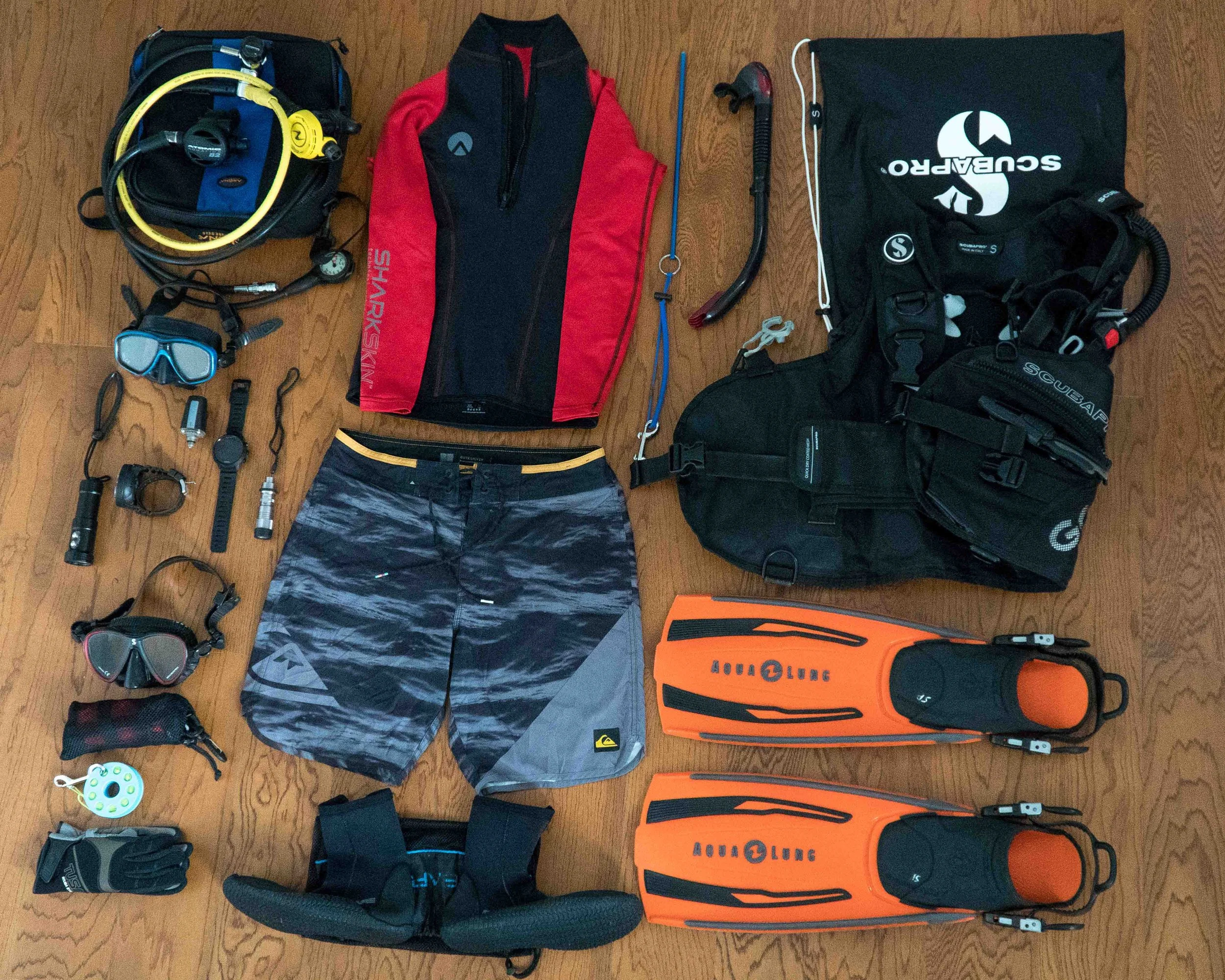
To add context to the recommendations above, here’s the core scuba gear I currently dive with in Southeast Asia. This isn’t a list of “best” products — it’s simply the gear that has proven comfortable, reliable, and practical for my own diving across the region.
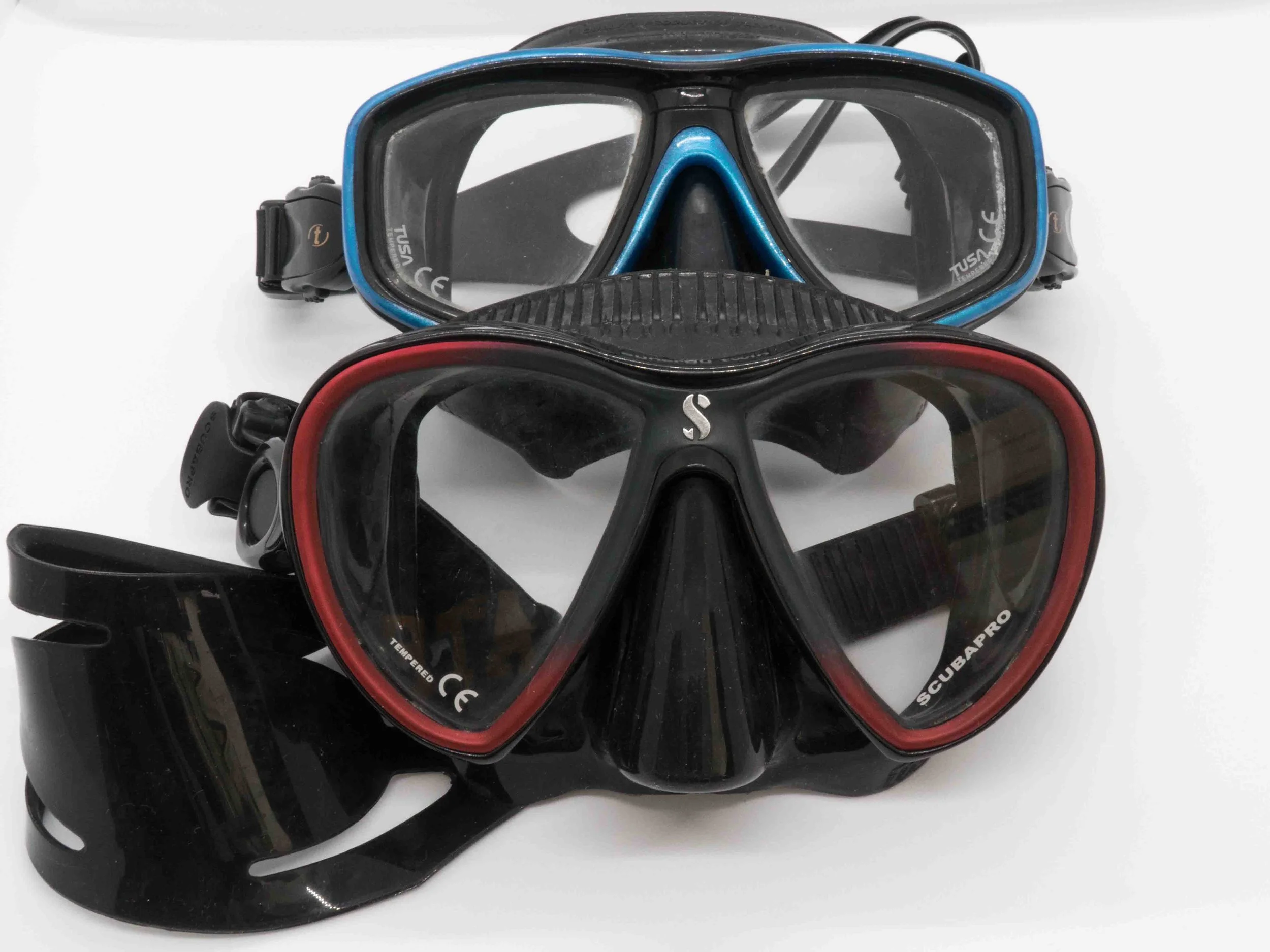
Mask: TUSA Freedom Ceos
Comfortable over long dive days, with an excellent seal and minimal pressure points.Regulator & First Stage: Atomic Aquatics T3
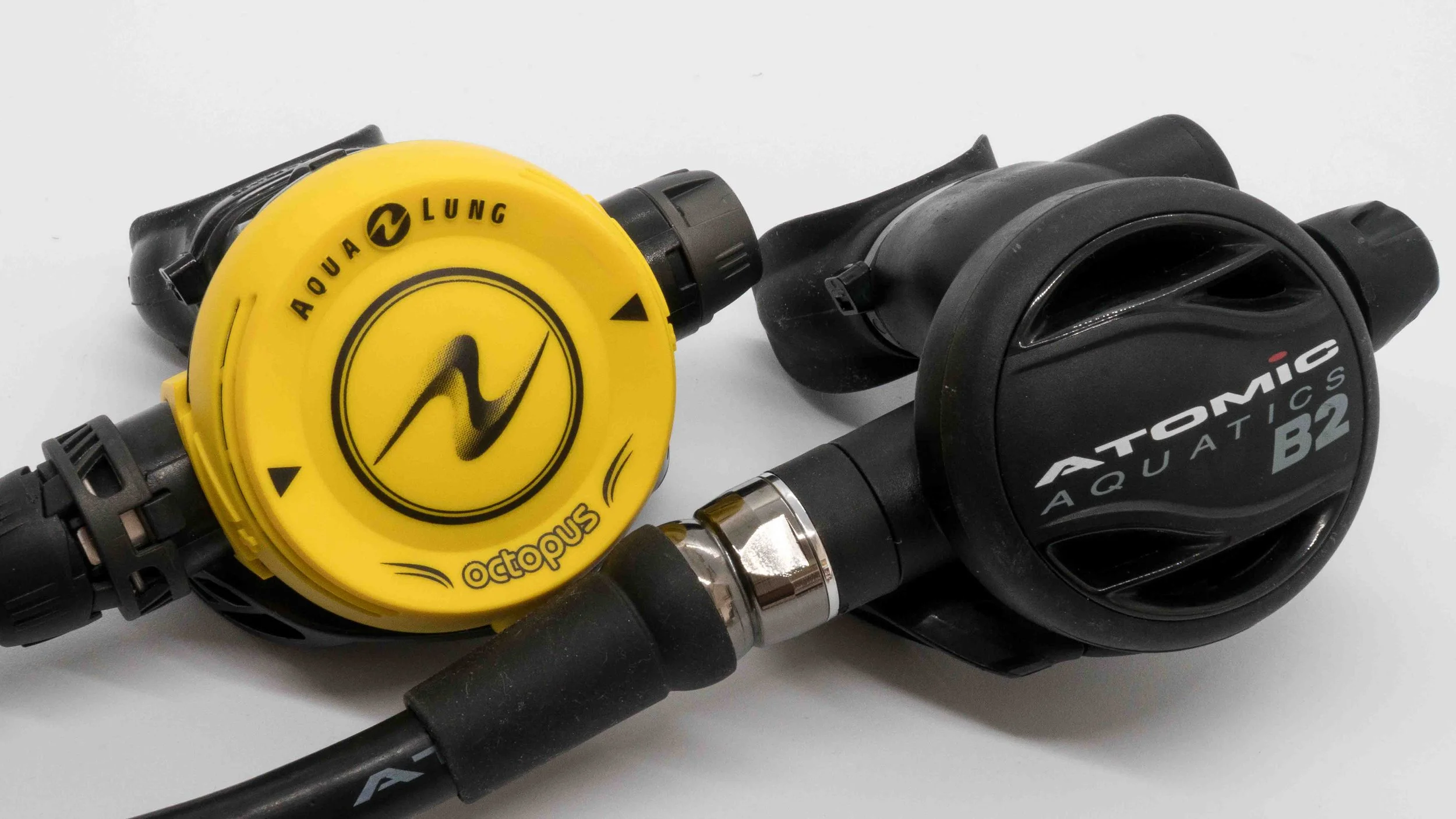
A premium titanium regulator that’s lightweight, corrosion-resistant, and ideal for frequent travel.Octopus / Inflator: Atomic Aquatics SS1
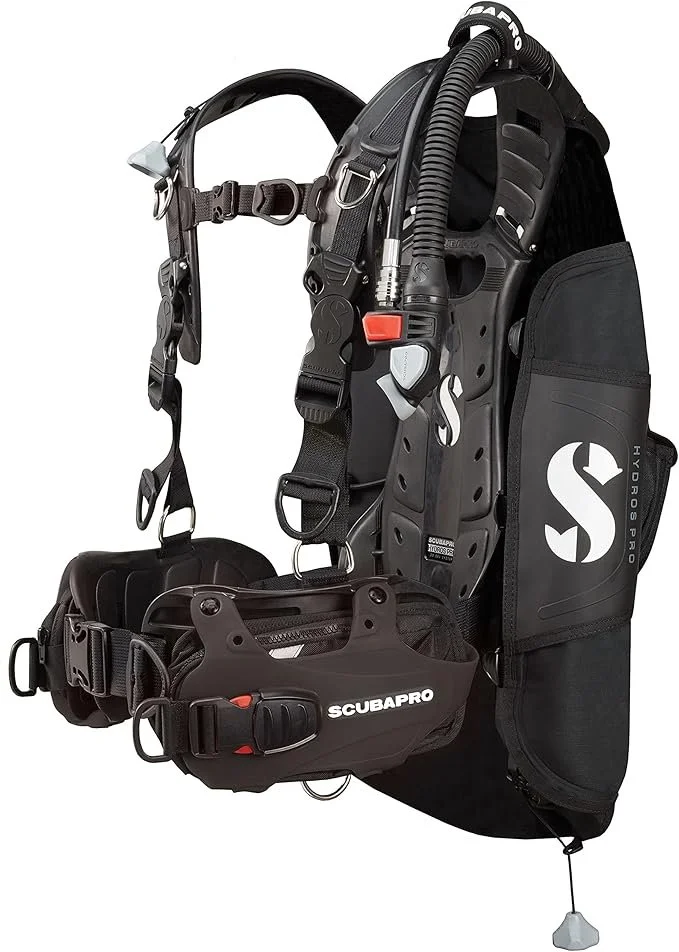
An integrated inflator and backup regulator that simplifies packing and reduces hose clutter when travelling.BCD: Scubapro GO
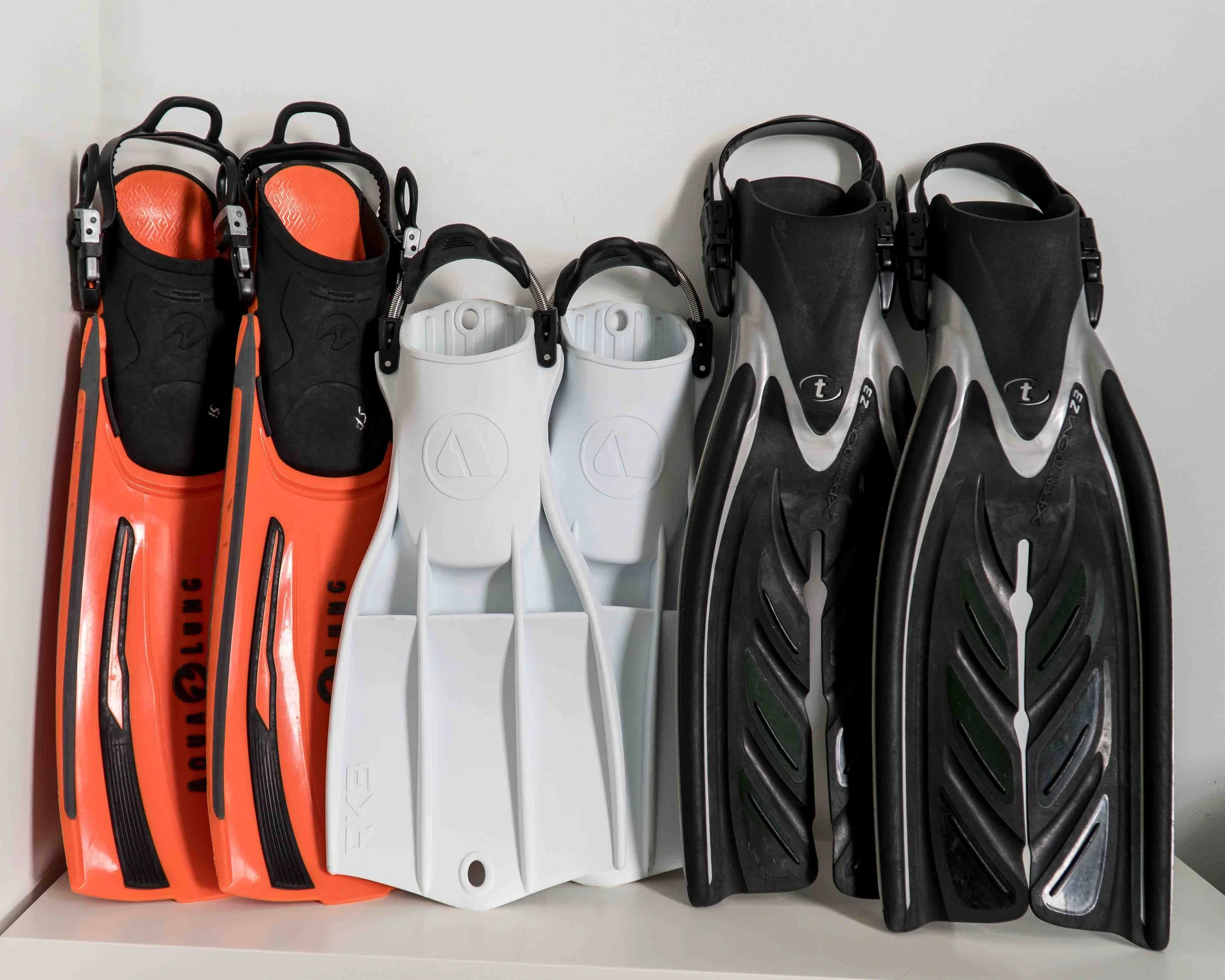
An older model now, but lightweight, reliable, and well-suited to travel-heavy itineraries.Fins: Apeks RK3 (white)
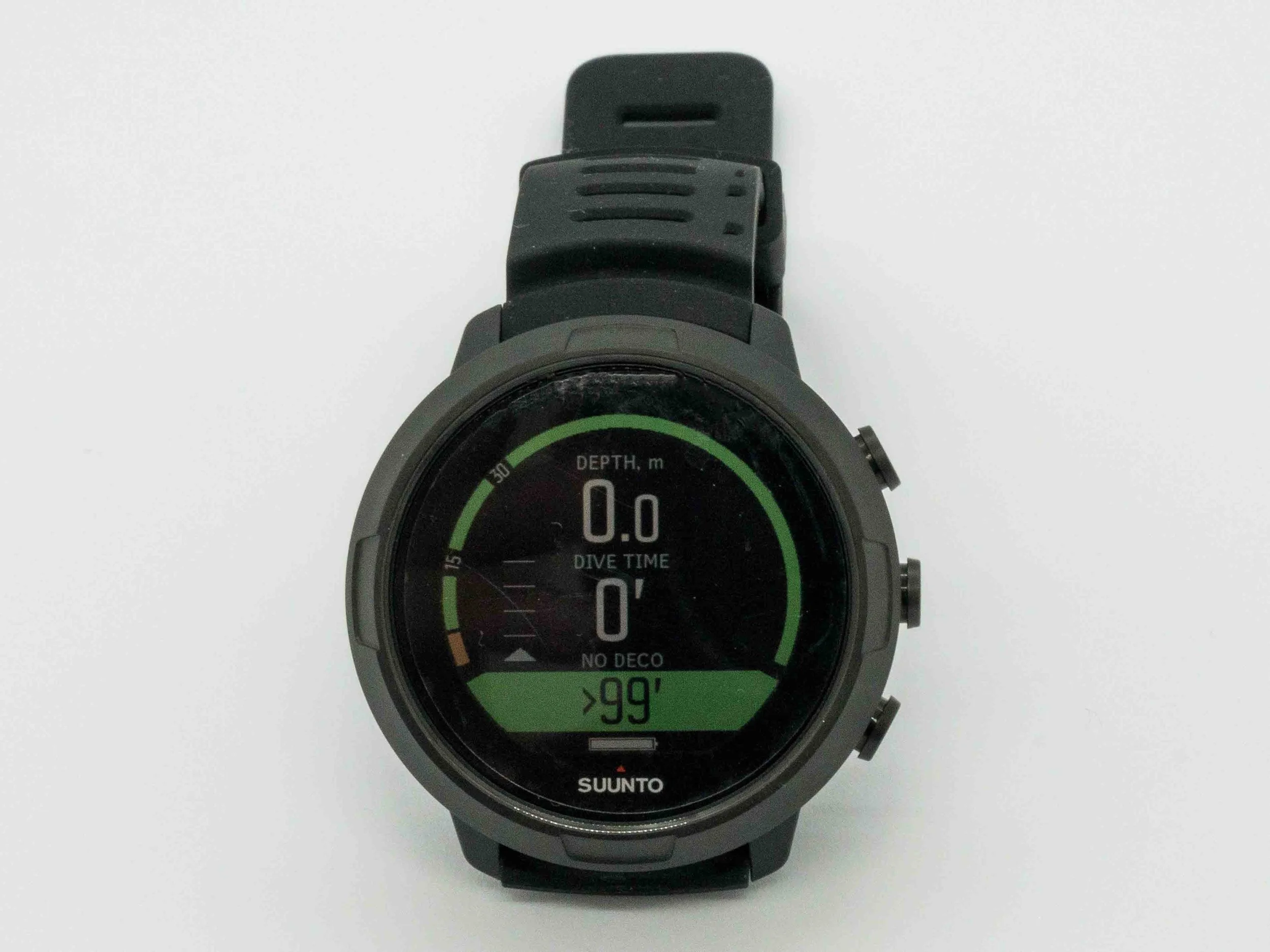
Heavier than many travel fins, but excellent in current and very manoeuvrable — a worthwhile trade-off at current-driven sites.Dive Computer: Suunto D5
Getting on a bit, but still reliable and easy to read. I previously used a Suunto Zoop, which remains a great, nearly indestructible option for newer divers.Dive Lights: Apeks Luma
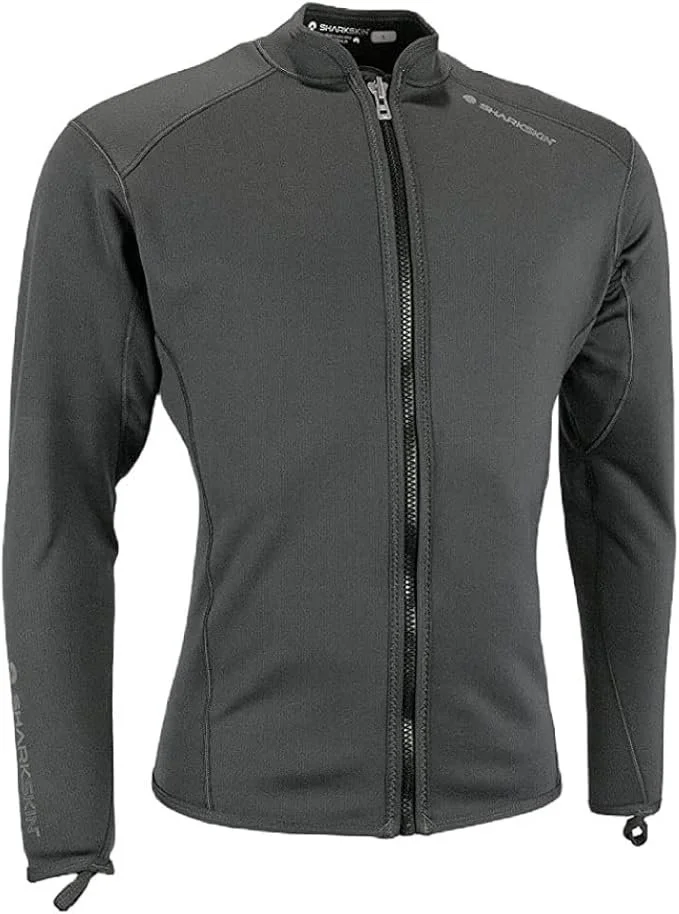
Rugged, dependable, and well-suited to both daytime and low-light diving.Exposure Protection: Sharkskin
Warm, neutrally buoyant, and ideal for repetitive warm-water diving in Southeast Asia.
Some of the gear mentioned above may be linked elsewhere on this site where relevant.
Fins
Fins should be chosen based on how and where you dive, not just how they feel during a brief fitting in a shop.
Many Southeast Asia dive sites involve currents or drift dives, where control and efficient propulsion matter more than raw speed. Stiffer fins generally provide better power and control in current, while lighter travel fins are easier to pack but may sacrifice some performance in demanding conditions.
Both full-foot and open-heel fins work well across the region. The most important considerations are comfort over multiple dives per day, efficient kicking without excessive effort, and the ability to hold position when needed — particularly on reefs where precise movement matters.
Dive Computer
A dive computer is one piece of scuba gear you should never rely on renting.
Diving in Southeast Asia often involves repetitive dives over multiple days, sometimes with short surface intervals or varied depth profiles. Owning your own dive computer ensures accurate tracking of your personal dive history and allows you to dive more conservatively and consistently.
When choosing a dive computer for this region, a clear, easy-to-read display, nitrox capability, and intuitive menus are far more important than advanced features most recreational divers will never use. Familiarity with your own computer reduces task loading underwater and supports safer dive planning — especially on liveaboards or busy dive schedules.
Exposure Protection for Warm-Water Diving
Rashguards and Lightweight Wetsuits
Although water temperatures in Southeast Asia are generally warm, exposure protection is still important and often underestimated.
Rashguards are particularly useful in tropical diving environments, providing protection from:
Sun exposure during surface intervals and long boat rides
Minor abrasions when diving near reefs or ladders
Jellyfish and plankton stings, which can be common at certain times of year
For longer dives, repetitive dive days, or slightly deeper profiles, a 1–3mm wetsuit adds noticeable comfort. Even in warm water, cumulative heat loss can occur over multiple dives per day — especially on liveaboards or when doing four or more dives daily.
In Southeast Asia, exposure protection is less about staying warm and more about managing fatigue, avoiding irritation, and staying comfortable throughout a full day of diving. Choosing the right level of protection helps maintain energy and focus underwater, particularly on longer trips.
Essential Safety Gear for Southeast Asia Diving
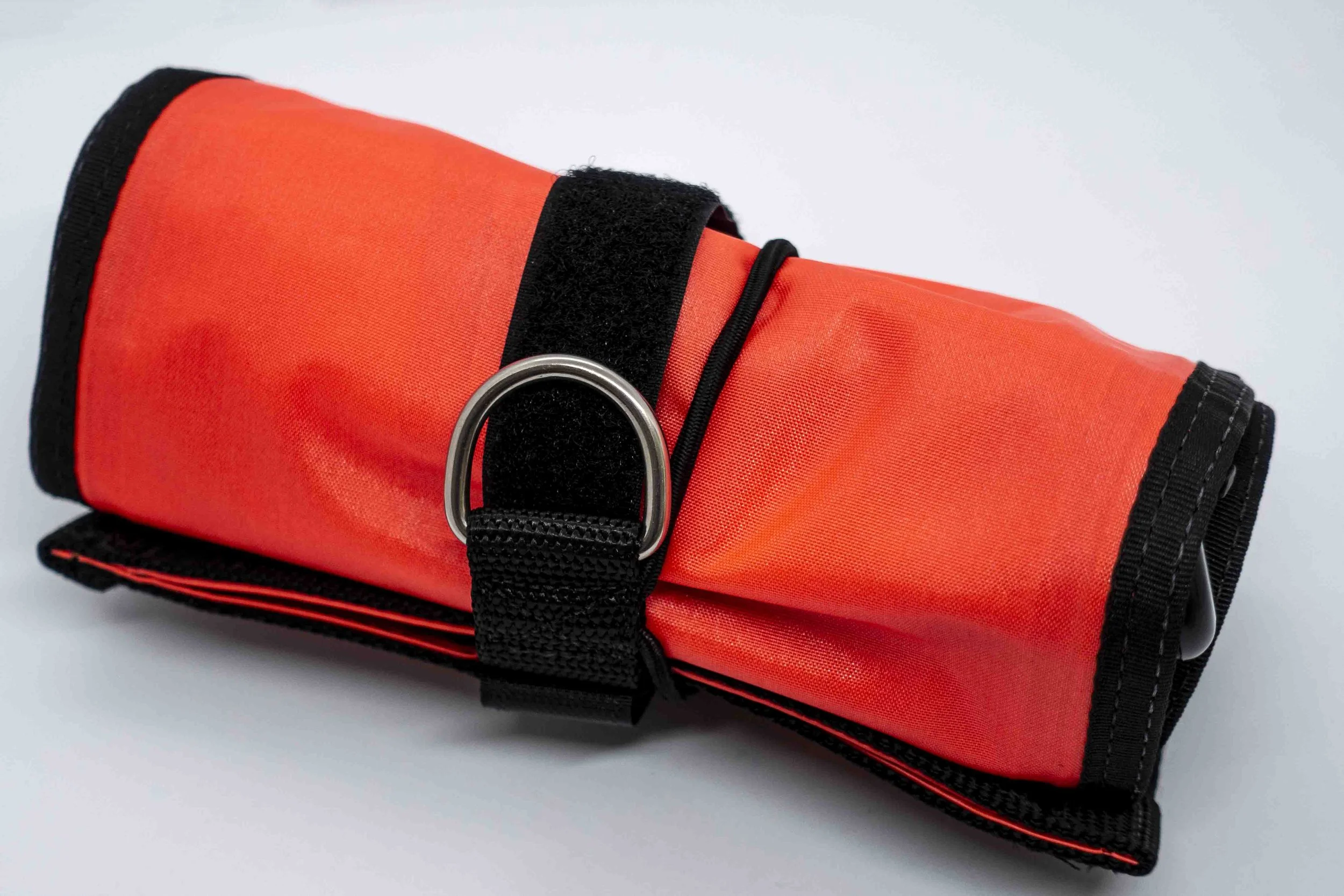
Delayed Surface Marker Buoy (DSMB)
A Delayed Surface Marker Buoy (DSMB) is essential when diving in areas with current, boat traffic, or blue-water ascents — all of which are common across Southeast Asia.
While many dive operators provide DSMBs, having your own DSMB and spool offers several advantages:
Familiarity with deployment, reducing task loading underwater
Reliability, especially if rental gear is worn or inconsistent
Confidence in unexpected conditions, such as stronger-than-expected current or early separation from the group
Knowing how to deploy a DSMB correctly is just as important as owning one. Practising deployment in controlled conditions ensures it becomes a calm, routine action rather than a stressful task when conditions are less forgiving.
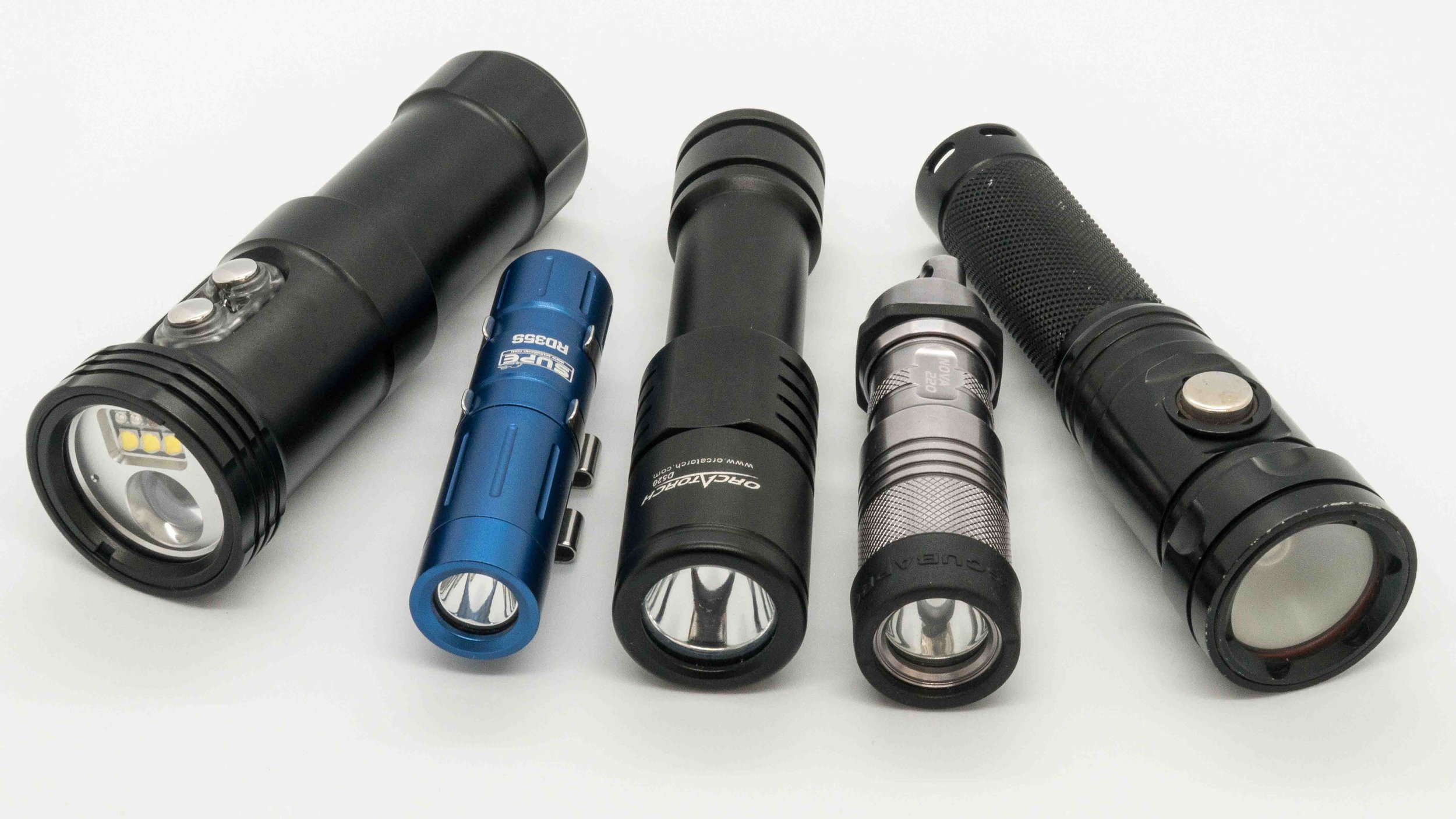
Audible Signaling Devices & Torch
A simple audible signaling device, such as a whistle, is invaluable at the surface — particularly in choppy conditions, swell, or when boats are operating nearby. These devices are lightweight, inexpensive, and easy to carry, yet can make a significant difference if you need to attract attention.
A compact dive torch is useful even on daytime dives. In Southeast Asia, torches help with:
Looking into crevices and reef structure
Enhancing colour and contrast underwater
Managing low-visibility or shaded environments
Many dives in the region benefit from carrying a torch, even outside of night diving, making it a small but highly practical addition to your safety kit.
Choosing Gear Based on How You Dive
Liveaboard Diving
Liveaboard diving typically involves multiple dives per day over several consecutive days, often with limited opportunities to swap or repair gear. In this setting, prioritising comfort, reliability, and a small amount of redundancy makes a noticeable difference.
Good exposure protection helps manage cumulative heat loss, while a reliable, familiar dive computer becomes essential for tracking repetitive dive profiles safely. Small personal comfort items — such as well-fitting fins or a dependable mask — also reduce fatigue over long dive schedules and help you stay relaxed underwater.
Resort-Based Diving
For resort-based diving, travel-friendly gear and personal comfort items tend to have the biggest impact.
When diving daily over a week or more, familiar equipment improves consistency and reduces minor annoyances that can add up over time. Lightweight fins, a comfortable mask, and simple exposure protection often provide the best balance between packing efficiency and comfort, particularly when moving between dive days and surface intervals.
Drift & Current-Heavy Sites
Many Southeast Asia dive sites are influenced by tides and currents, making situational awareness and control especially important.
In these environments, strong, responsive fins, a DSMB, and confidence managing your position in the water are more important than minimalism. Gear choices should support controlled movement, safe ascents, and clear surface signalling — particularly when diving in areas where current-driven drift dives are common.
Related Dive Planning Guides
If you’re planning a dive trip to Southeast Asia, you may also find these guides useful:
Dive insurance considerations – what to look for when choosing coverage for dive travel
Skin & hair care for divers – practical tips for managing sun, salt, and repetitive dive days
Underwater photography planning guides – how to plan trips around macro and wide-angle photography goals
Destination-specific dive guides – detailed insights into conditions, seasonality, and what to expect underwater
These guides complement the gear choices above and help you plan more confidently — from preparation and packing through to time spent underwater.
Scuba Diving Gear FAQs
Do I need my own scuba gear when diving in Southeast Asia?
No — most reputable dive centres and liveaboards in Southeast Asia offer well-maintained rental equipment. However, many divers prefer to own a small core set of personal gear, such as a mask, dive computer, and fins, for comfort, familiarity, and consistency across multiple dive days.
What is the most important piece of scuba gear to own?
For most divers, the two most important personal items to own are a properly fitting mask and a reliable dive computer. A good mask ensures comfort and visibility, while a personal dive computer allows you to track repetitive dive profiles safely and consistently.
Is a wetsuit necessary for warm-water diving?
Not always, but some form of exposure protection is recommended. Many divers are comfortable in a rashguard, while others prefer a 1–3mm wetsuit for longer dives, repetitive dive days, or protection from sun, abrasions, and jellyfish stings. Comfort and dive frequency often matter more than water temperature alone.
Can I travel with scuba gear carry-on only?
Minimalist setups are possible, especially if renting major equipment at your destination. However, most divers find that bringing fins, exposure protection, and safety accessories requires checked luggage. Lightweight, travel-focused gear helps balance packing efficiency with comfort.
Is it safe to rent regulators and BCDs in Southeast Asia?
Yes — when renting from reputable dive operators that regularly service their equipment. If you have specific preferences or dive frequently, owning your own regulator or BCD can add comfort, but it is not essential for most travellers.
What safety gear should I always carry?
At a minimum, divers should carry a DSMB and spool, an audible signaling device such as a whistle, and a compact torch. These items are lightweight, inexpensive, and especially important in regions where currents, boat traffic, and variable visibility are common.
This page may contain affiliate links. If you choose to use them, we may earn a small commission at no extra cost to you. Recommendations are based on firsthand experience and practical use.
Travel Gear That Makes Diving Easier
Dive Bags, Dry Bags & Packing Accessories
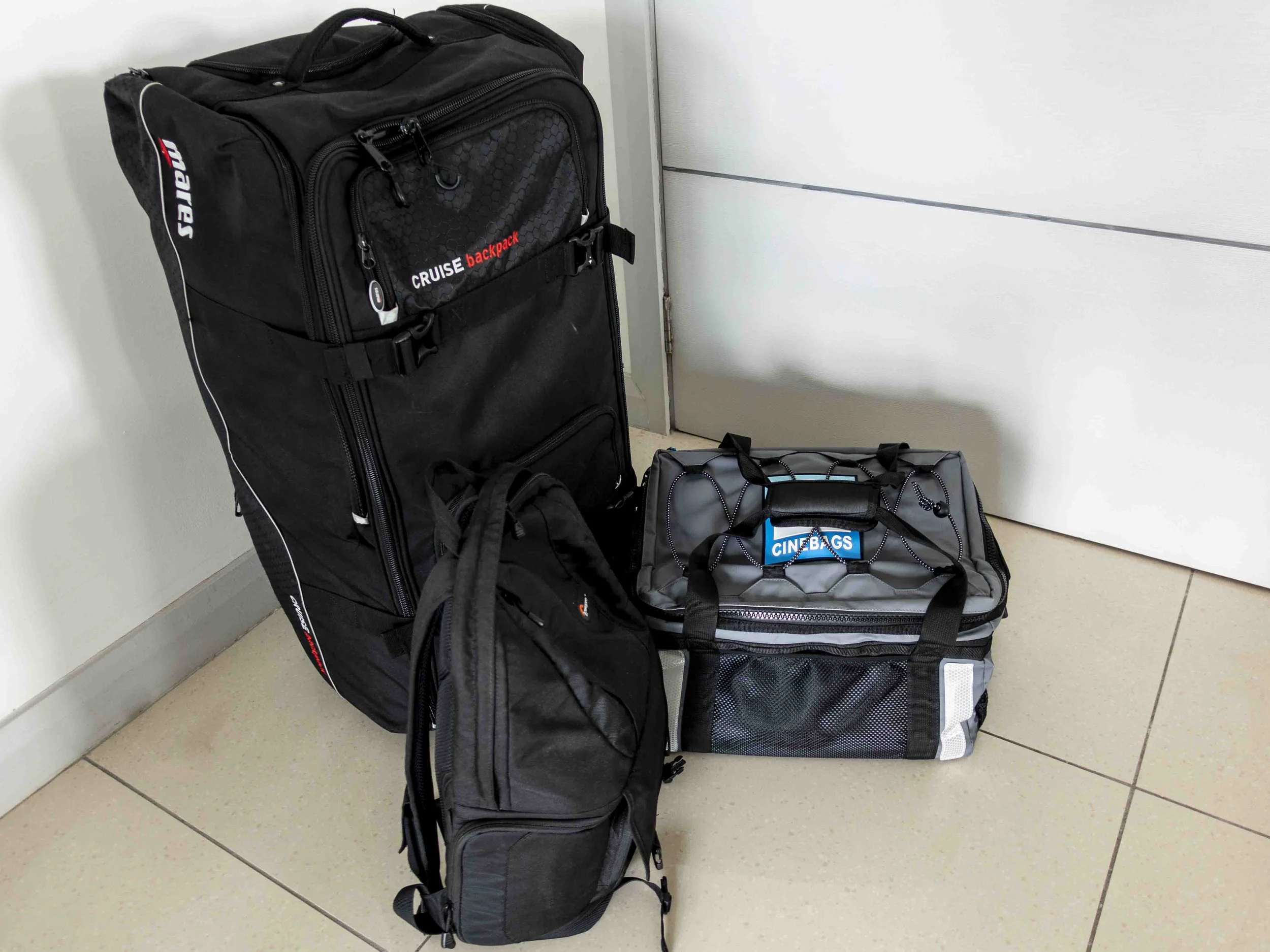
Travel is a major part of diving in Southeast Asia, often involving multiple flights, boat transfers, and frequent packing and unpacking. Choosing lightweight, durable travel gear makes a noticeable difference over the course of a trip, particularly on multi-stop itineraries or liveaboards.
Useful travel gear for Southeast Asia diving includes:
A dedicated dive bag or backpack that balances durability with airline weight limits
A small dry bag for protecting valuables on boats and during wet transfers
Quick-dry towels for surface intervals and between dives
Reef-safe sunscreen, suitable for both sun protection and sensitive marine environments
Basic save-a-dive items, such as spare fin straps, O-rings, and mouthpieces
These aren’t glamorous purchases, but they significantly improve comfort, organisation, and peace of mind while travelling. Having the right small accessories often prevents minor inconveniences from turning into frustrating disruptions — especially when diving daily in warm, humid conditions.
What to Rent vs What to Bring Yourself
One of the most common questions divers have when planning a trip to Southeast Asia is which pieces of gear are worth bringing and which can usually be rented locally.
In general, most reputable dive operators in the region maintain good-quality rental equipment. That said, owning a small core set of personal gear often provides the best balance between comfort, familiarity, and travel efficiency.
Usually Safe to Rent
For most divers, the following items are typically safe to rent from well-established dive centres and liveaboards:
Rental gear works well when maintained properly, and for many travellers it reduces luggage weight and complexity.
Better to Bring Your Own
These items are personal, safety-critical, or comfort-related — and most divers prefer to own them:
Mask, for proper fit and comfort
Dive computer, for consistent settings and accurate tracking
Fins, to match your kicking style and comfort
Exposure protection, such as rashguards or lightweight wetsuits
Safety accessories, including DSMB, whistle, and torch
Bringing these core items ensures familiarity underwater, reduces reliance on variable rental gear, and improves overall comfort — particularly on trips involving repetitive diving or strong currents.