Scuba Diving in Malaysia
From Barracuda Tornadoes to Macro Treasure Hunts
Scuba diving in Malaysia doesn’t always dominate headlines in the way Komodo or Raja Ampat does. It doesn’t need to.
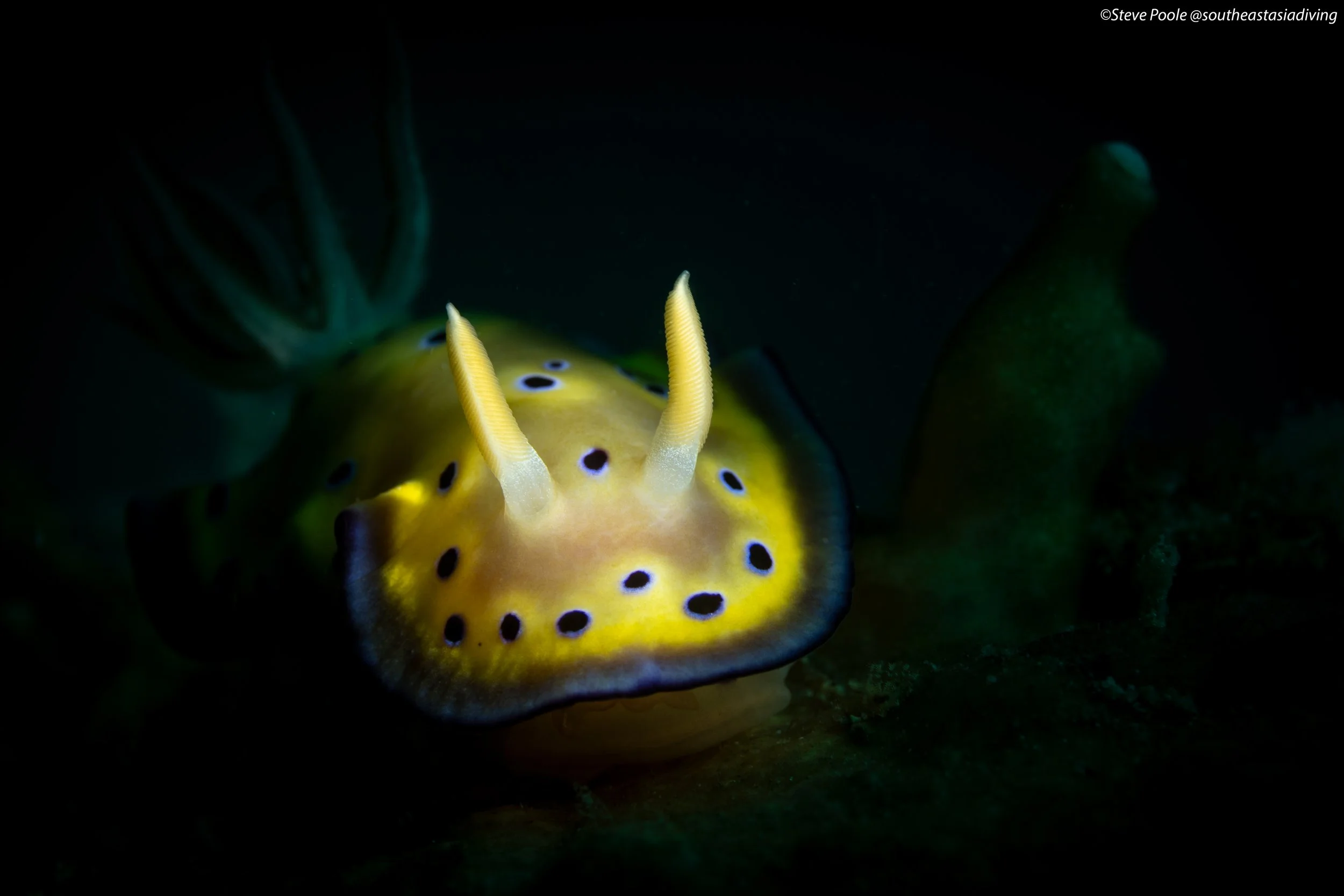
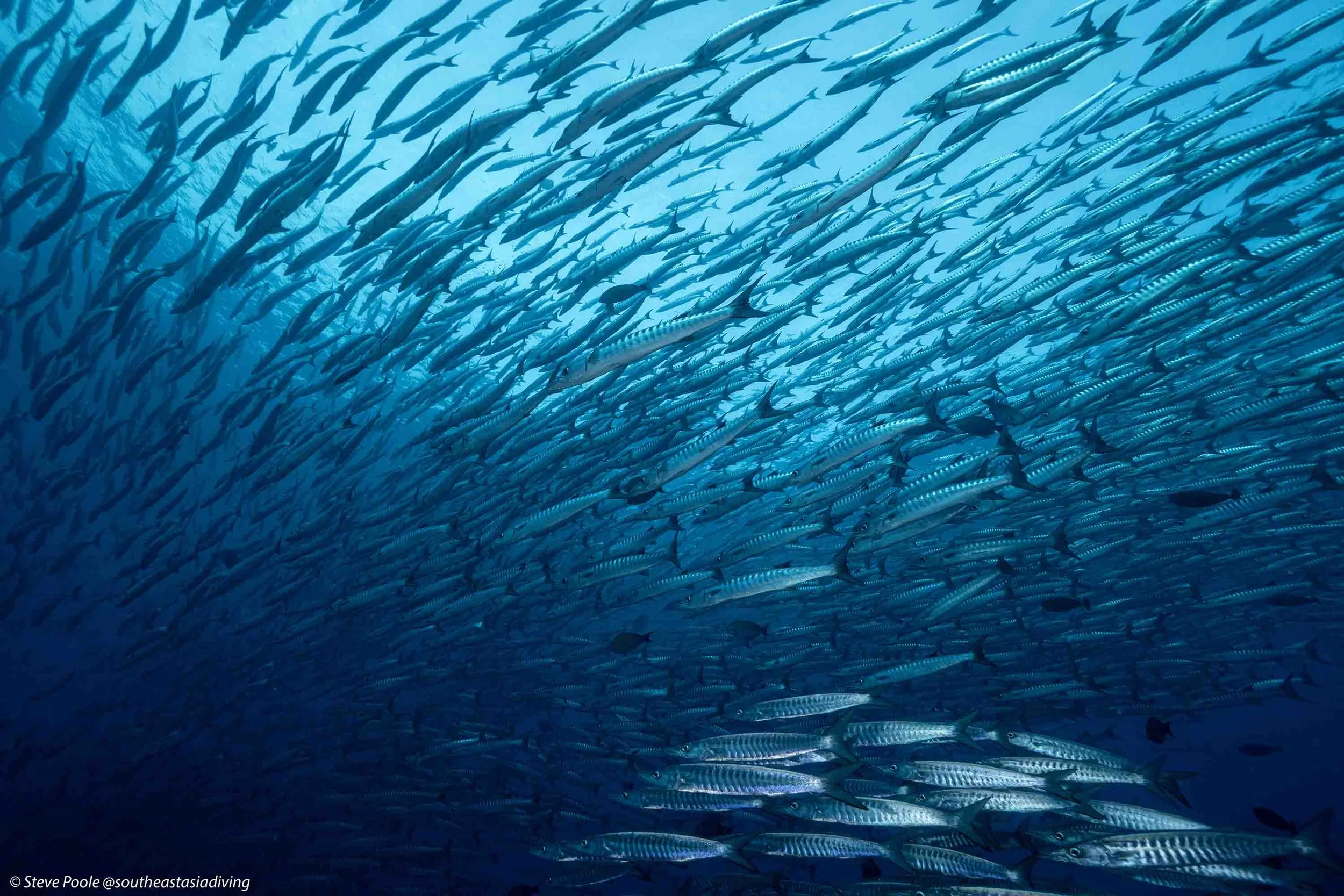
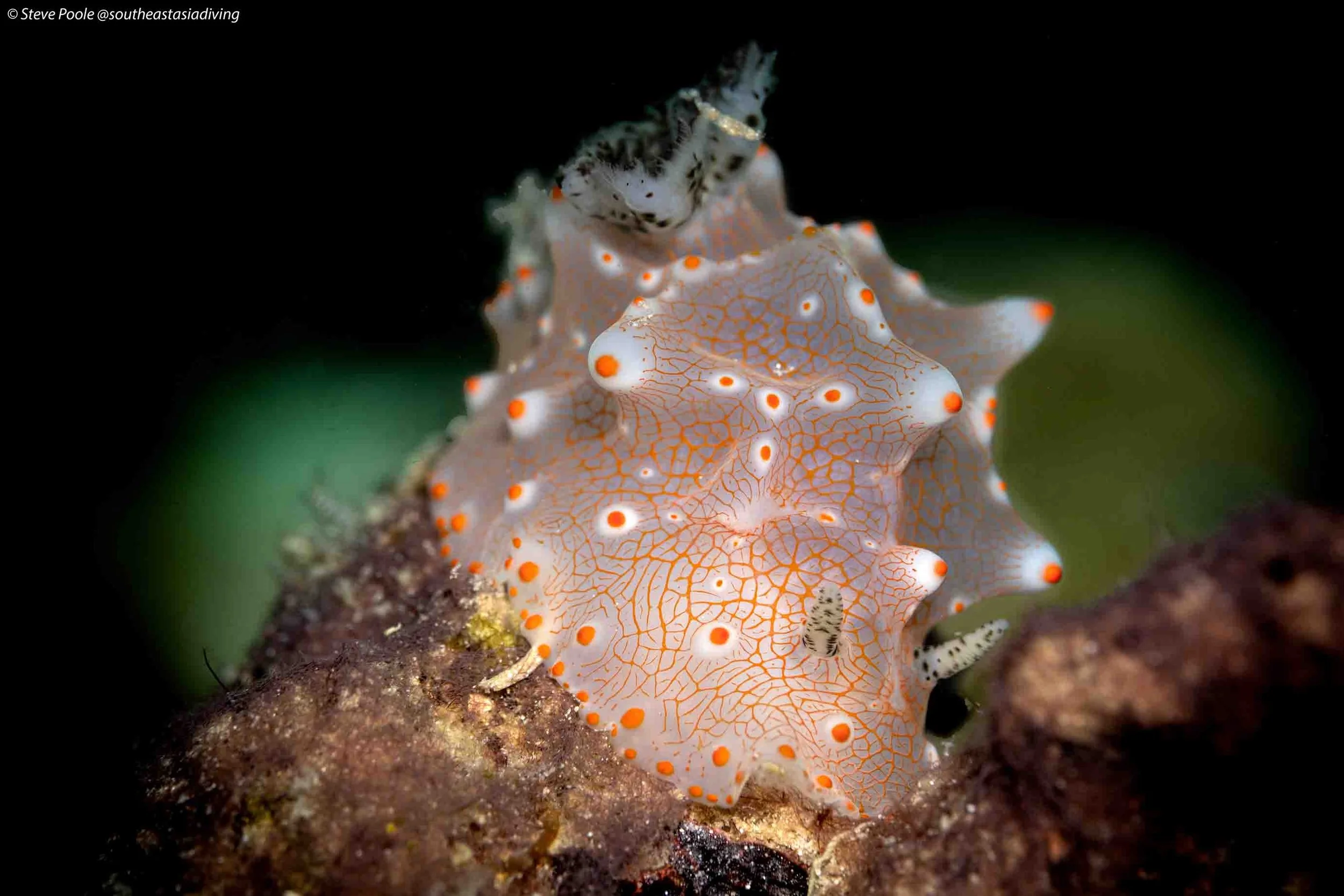
Here, oceanic walls rise straight from the deep blue. Turtles glide past on nearly every dive. Hammerheads patrol remote atolls. Schools of barracuda spiral against vertical drop-offs — moments that feel built for wide-angle photography. And just a short boat ride away, macro divers hover over sandy slopes searching for blue-ringed octopus, flamboyant cuttlefish, frogfish and rare nudibranchs — the kind of subjects that reward patience, precision and a steady lens.
Few countries in Southeast Asia offer this level of range in one place — especially for underwater photographers who want both big-scene drama and intricate macro detail within a single trip.
From the world-famous walls of Sipadan to the macro-rich sites of Mabul and the relaxed reef diving of the east coast islands, Malaysia delivers big animals, critters, seasonal shark encounters and accessible beginner diving — all within a compact geography.
Having lived in Malaysia for seven years and dived extensively across both Sabah and the peninsula — often with a camera in hand — I’ve seen how quietly consistent the diving here can be. It’s not about spectacle tourism. It’s about repeatable, high-quality underwater encounters — the kind that keep divers, and photographers, coming back.
This guide to scuba diving in Malaysia covers:
The best dive sites and regions
When to go (and when to avoid monsoon seasons)
What marine life to expect
Permit systems and trip logistics
Who Malaysia is best suited for
If you’re planning a Southeast Asia dive trip, Malaysia deserves to be evaluated not as a backup option — but as a primary one.
Malaysia Diving at a Glance
| Category | Best Location |
|---|---|
| Bucket List Dive | Sipadan |
| Best Macro | Mabul |
| Best Beginner Island | Perhentian Islands |
| Best East Coast Season | March–October |
| Water Temperature | 27–30°C |
| Experience Level | Beginner → Advanced |
Why Dive Malaysia?
Malaysia sits on the edge of the Coral Triangle — the global epicenter of marine biodiversity. But what makes diving in Malaysia compelling isn’t just species count.
It’s contrast.
In one country, you can dive:
A 600-metre vertical oceanic wall at Sipadan
A macro-rich sand slope at Mabul
A calm coral garden in the Perhentians
A remote atoll during hammerhead season
Few destinations in Southeast Asia offer this spectrum without requiring complex logistics or multi-country transfers.
Malaysia also offers something increasingly rare: balance.
It is often:
Less crowded than Indonesia’s headline destinations
More structured and permit-managed at flagship sites
More affordable than many global bucket-list dive regions
Easier to organise into short, efficient dive trips
Infrastructure is reliable. Travel connections are straightforward. English is widely spoken. And dive operations tend to be professional and well regulated.
After years of diving across the region, what stands out about Malaysia isn’t unpredictability — it’s consistency. The diving is rarely chaotic. Conditions are generally warm and accessible. And encounters, particularly at Sabah’s premier sites, are repeatable rather than luck-dependent.
For divers who want biodiversity without overwhelm, and variety without logistical complexity, Malaysia delivers quietly and consistently.
Regional Breakdown
East Malaysia (Sabah, Borneo)
If scuba diving in Malaysia has a global centre of gravity, it’s Sabah.
Facing the Celebes Sea and sitting on the edge of the Coral Triangle, Sabah delivers the country’s most dramatic and internationally recognised diving. Marine life density is higher, reef structure is steeper, and encounters tend to feel larger in scale. For many divers, Sabah is the reason Malaysia earns a place on a Southeast Asia itinerary.
🌊 Sipadan
Sipadan is Malaysia’s only true oceanic island, rising more than 600 metres from the seafloor. That vertical structure drives nutrient upwellings that support dense, fast-moving marine life.
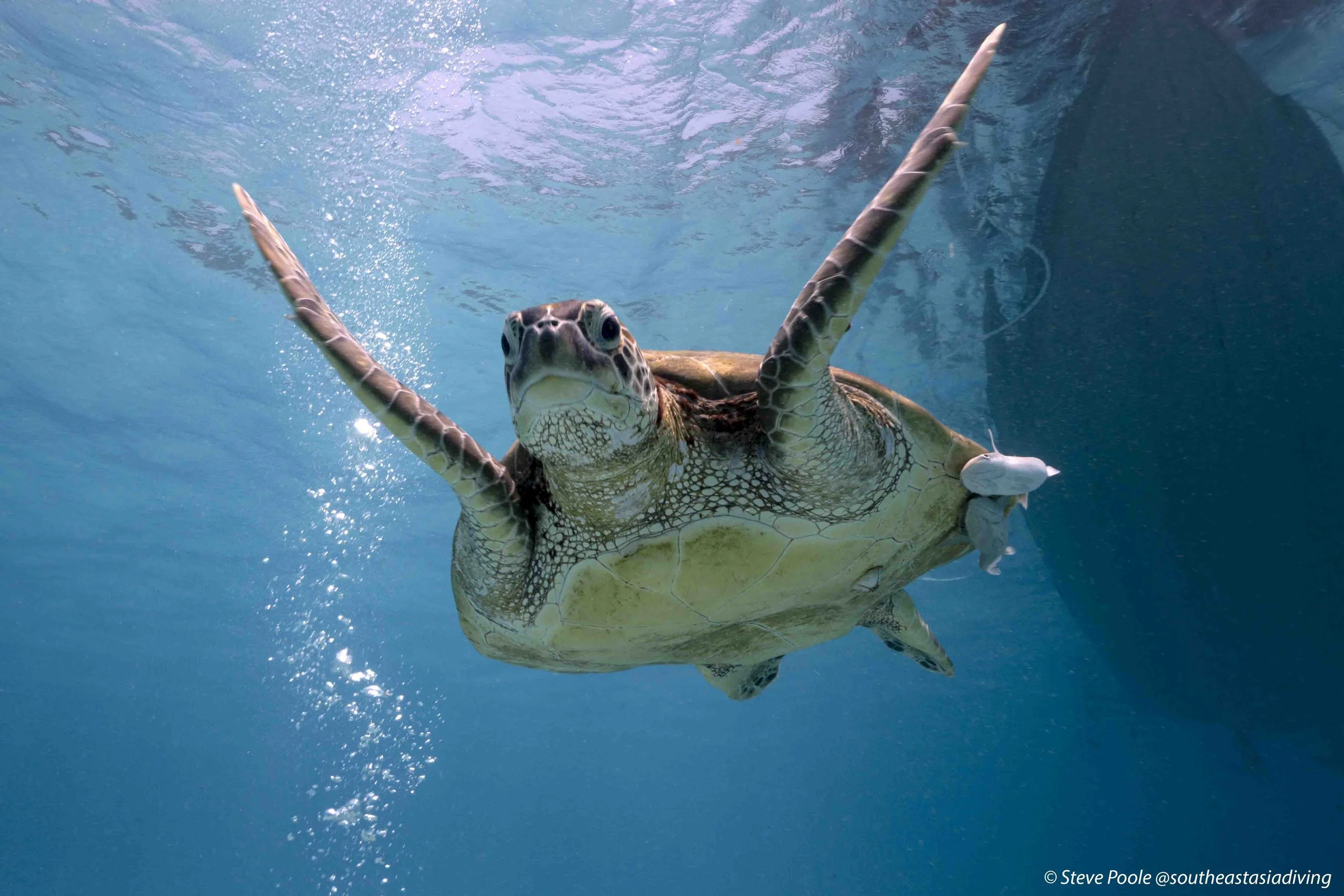
The diving here is defined by walls and schooling fish. Barracuda form tight spirals over the reef edge. Giant schools of jackfish shift in the blue. Green and hawksbill turtles are present in remarkable numbers. Reef sharks patrol regularly, and at certain times of year, deeper profiles may bring hammerheads or other pelagics into view.
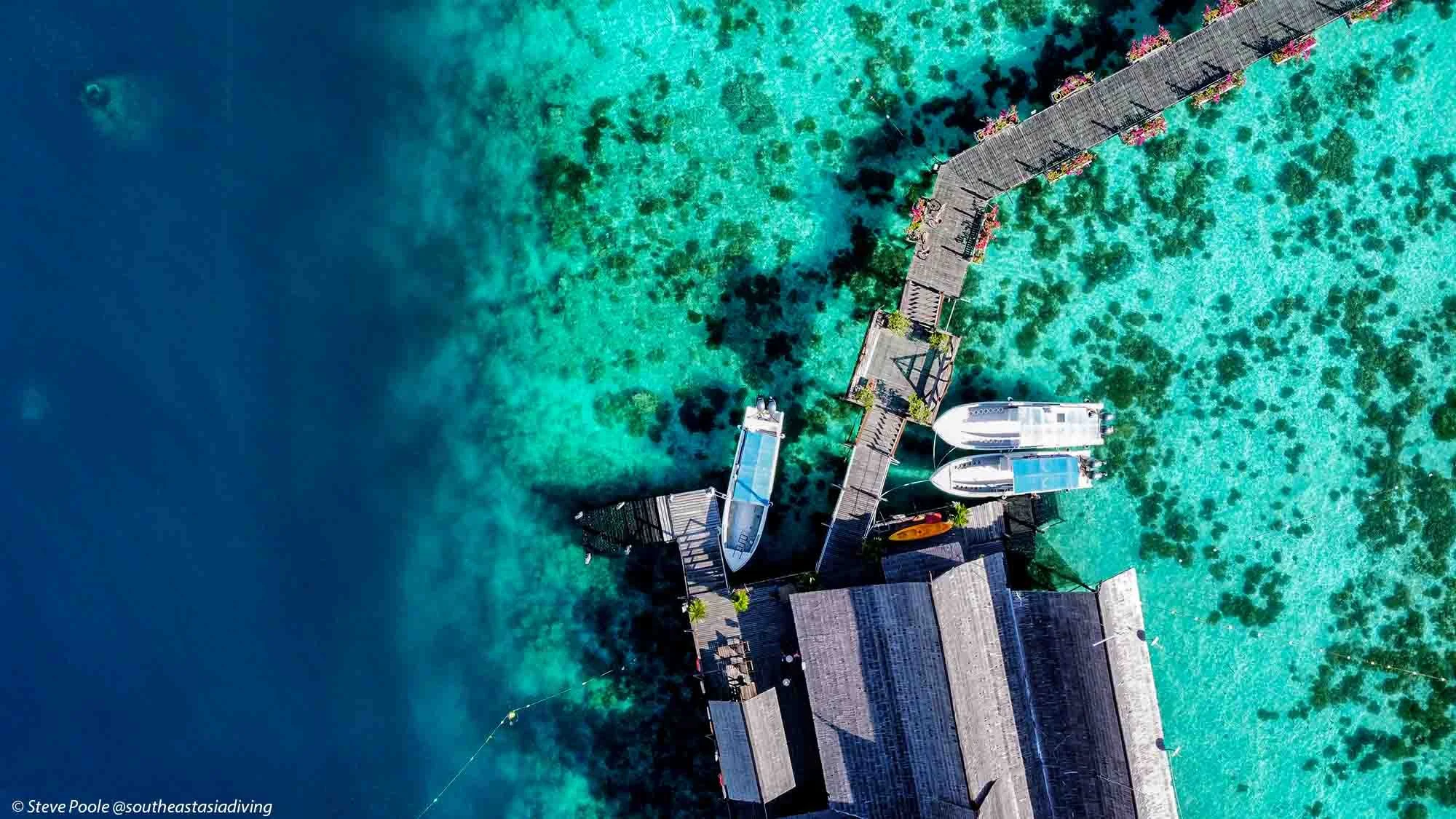
Access is controlled through a strict daily permit system, which has helped preserve both reef health and encounter consistency. Most divers stay on nearby Mabul Island or Kapalai and travel to Sipadan by boat.
Sipadan suits intermediate and experienced divers comfortable with walls, mild current and open water. If Malaysia has a defining dive site, this is it.
🐙 Mabul Island
A short boat ride from Sipadan, Mabul offers a completely different style of diving.
Instead of vertical walls and schooling fish, the focus shifts to sand slopes, artificial structures and patient macro exploration. Frogfish, blue-ringed octopus, flamboyant cuttlefish and an impressive diversity of nudibranchs are regularly encountered. Rare sightings such as rhinopias occasionally reward careful, unhurried searching.
For underwater photographers and divers who appreciate the unusual and the small, Mabul becomes compelling quickly. It is less dramatic than Sipadan — but often more addictive.
🦈 Layang-Layang
Far offshore in the South China Sea lies Layang-Layang, a remote atoll best known for seasonal hammerhead shark encounters.
Between April and May, schools of scalloped hammerheads are the primary draw. Stronger currents, deeper dive profiles and open-water conditions mean this is not beginner diving. It is a more specialised experience — one that attracts divers specifically seeking pelagic action in a relatively uncrowded setting.
Kota Kinabalu
Not all diving in Sabah requires travelling to Sipadan.
Just offshore from Kota Kinabalu lies the Tunku Abdul Rahman Marine Park — a protected cluster of islands including Gaya, Manukan, Mamutik, Sapi and Sulug.
The diving here is far more accessible and suited to shorter trips. Sites are reached by speedboat in under 30 minutes from the city, making it popular for:
Introductory dives
Open Water certification courses
Refresher dives
Weekend diving for locals
Reef structure tends to be shallower and more gently sloping compared to Sipadan’s dramatic walls. Expect coral gardens, reef fish, nudibranchs and occasional turtles. Visibility can vary depending on weather and tidal movement, but conditions are generally manageable.
While it does not compete with Sipadan or Layang-Layang for scale, the marine park plays an important role in Sabah’s dive ecosystem. It provides an accessible entry point for new divers and a convenient option for those short on time.
For divers living in Malaysia — or visiting Kota Kinabalu for other reasons — it offers a straightforward way to get underwater without the logistics of a longer expedition.
Peninsular Malaysia
While Sabah delivers Malaysia’s headline diving, the east coast islands of the peninsula provide accessibility, ease and variety. These sites are generally calmer, shallower and well suited to recreational diving, certification courses and shorter trips from Kuala Lumpur or Singapore.
Together, they form the foundation of everyday scuba diving in Malaysia.
East Coast Islands
🏝 Perhentian Islands
The Perhentians are among the most popular and accessible dive destinations in the country. Warm water, gentle conditions and healthy coral gardens make them ideal for new divers and training courses.
Reef sharks and turtles are regularly encountered, and visibility during the main season can be excellent. The islands close during the northeast monsoon, typically from November to February, but outside that window conditions are usually predictable and welcoming.
🐠 Redang Island
Redang is known for clearer water and larger reef systems. The diving here feels slightly more expansive than the Perhentians, with wide coral gardens, schooling reef fish and occasional larger pelagics passing through.
It suits certified divers looking for relaxed but visually impressive reef diving without strong currents or advanced profiles.
🌊 Tioman Island
Tioman has long been part of Malaysia’s recreational diving culture. Easily accessed from the mainland, it offers a mix of coral reefs, small wrecks and granite rock formations that create interesting underwater topography.
The diving here is varied rather than dramatic, making it ideal for repeat visits, weekend trips and divers building experience in tropical conditions.
🦈 Tenggol Island
Tenggol is smaller and less developed than its neighbours, but it has a reputation for slightly stronger currents and occasional pelagic encounters.
When conditions align, whale sharks and larger reef predators are possible, giving Tenggol a more dynamic feel than many east coast sites. It appeals to divers who want a step up in energy without traveling to Sabah.
🌿 Lang Tengah Island
Lang Tengah sits quietly between Redang and the Perhentians and often feels less busy. The reefs are healthy, the pace slower, and the diving well suited to relaxed exploration.
It’s an appealing option for divers who prefer smaller resorts and a quieter atmosphere while still enjoying warm, accessible reef diving.
🐚 Pulau Kapas
Kapas is closer to the mainland and typically offers shallower, easy diving. It is particularly popular for introductory dives and entry-level certification.
While it does not compete with Sabah for scale, Kapas plays an important role in Malaysia’s broader dive ecosystem — providing an accessible starting point for new divers.
West Coast Peninsular Malaysia
The west coast of Peninsular Malaysia — facing the Strait of Malacca — is far less known internationally for diving. Visibility is typically lower due to sediment from major river systems and heavy shipping traffic. Conditions can range from moderate to poor compared with the clearer waters of the east coast.
That said, diving is still possible — and for locally based divers, it can be convenient.
🌊 Langkawi
Langkawi is primarily known as a beach and holiday destination, but dive operators do run trips to nearby reef sites and small wrecks. Marine life is present — reef fish, occasional macro species and some artificial structures — but visibility is often limited.
Diving here is best viewed as supplementary rather than destination-level. For travellers already visiting Langkawi, it offers an opportunity to get underwater, but it is unlikely to rival the east coast islands or Sabah.
🐠 Pulau Sembilan
Pulau Sembilan, off the coast of Perak, offers more serious diving than many expect from the west coast. It has stronger currents and more exposed sites, which can occasionally bring in pelagic species.
However, visibility remains variable and can be significantly reduced depending on conditions. Diving here tends to appeal more to locally experienced divers who understand seasonal patterns rather than international visitors planning a dedicated dive trip.
A Realistic Perspective
The west coast of Peninsular Malaysia is diveable — but it is not the reason most divers travel to Malaysia.
If your priority is clear water, reef density and consistent visibility, the east coast islands or Sabah will provide a stronger experience. If you are already based in Malaysia, however, the west coast offers convenient options to stay active between main dive seasons.
Including the west coast in a Malaysia diving guide isn’t about exaggeration — it’s about completeness.
| Dive Area | Region | Primary Style |
|---|---|---|
| Sipadan | Sabah (Borneo) | Oceanic walls, schooling fish, turtles, sharks |
| Mabul | Sabah (Borneo) | Macro, muck, critters, underwater photography |
| Perhentian Islands | East Coast (Peninsula) | Beginner-friendly reefs, turtles, reef sharks |
| Redang | East Coast (Peninsula) | Clear reefs, coral gardens, relaxed diving |
| Tioman | East Coast (Peninsula) | Granite formations, reefs, small wrecks |
| Tenggol | East Coast (Peninsula) | Stronger currents, occasional pelagics |
| Kapas | East Coast (Peninsula) | Shallow reefs, beginner courses |
| Lang Tengah | East Coast (Peninsula) | Quiet reefs, relaxed resort diving |
| Langkawi | West Coast (Peninsula) | Variable visibility, local reef diving |
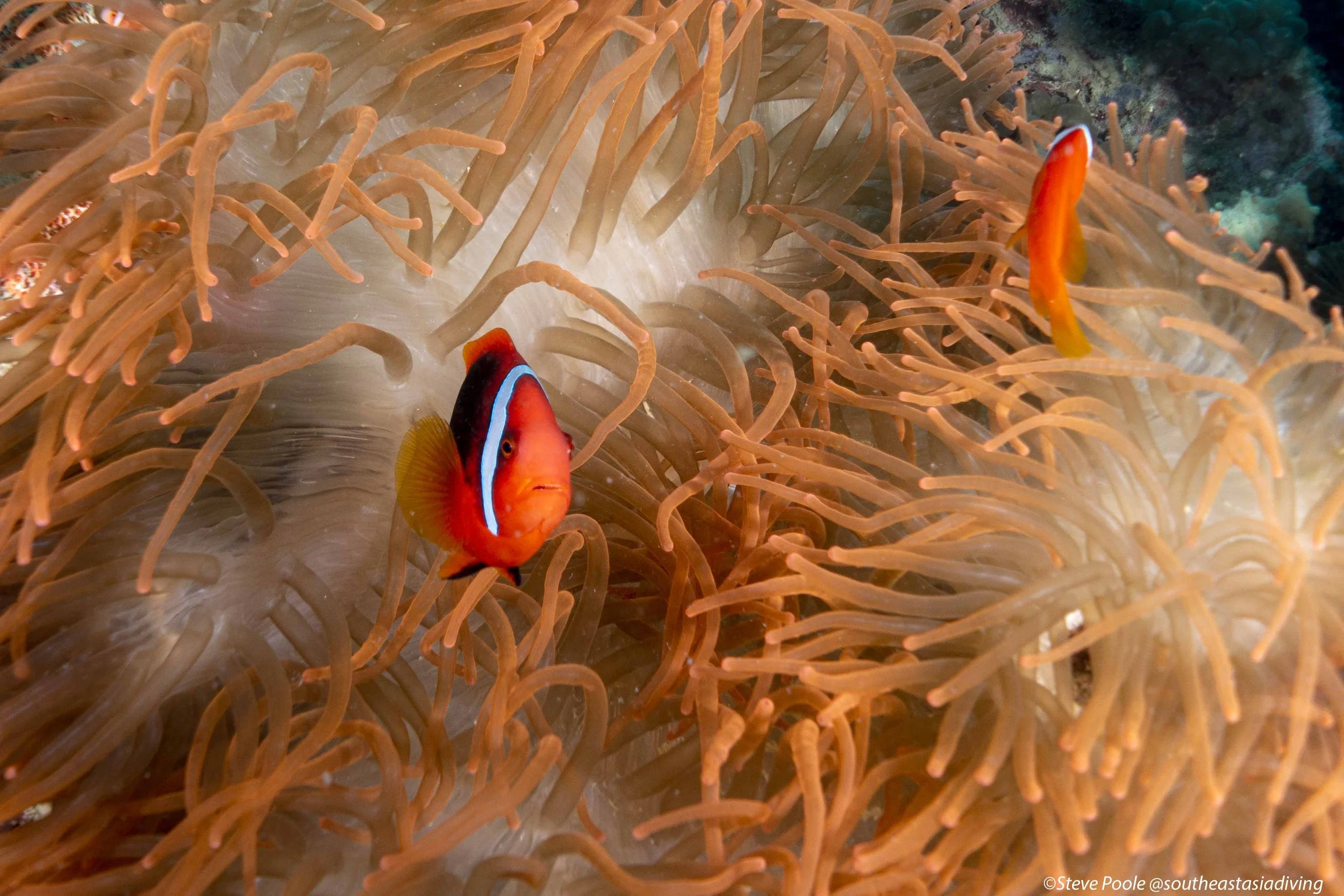
Best Time to Dive Malaysia
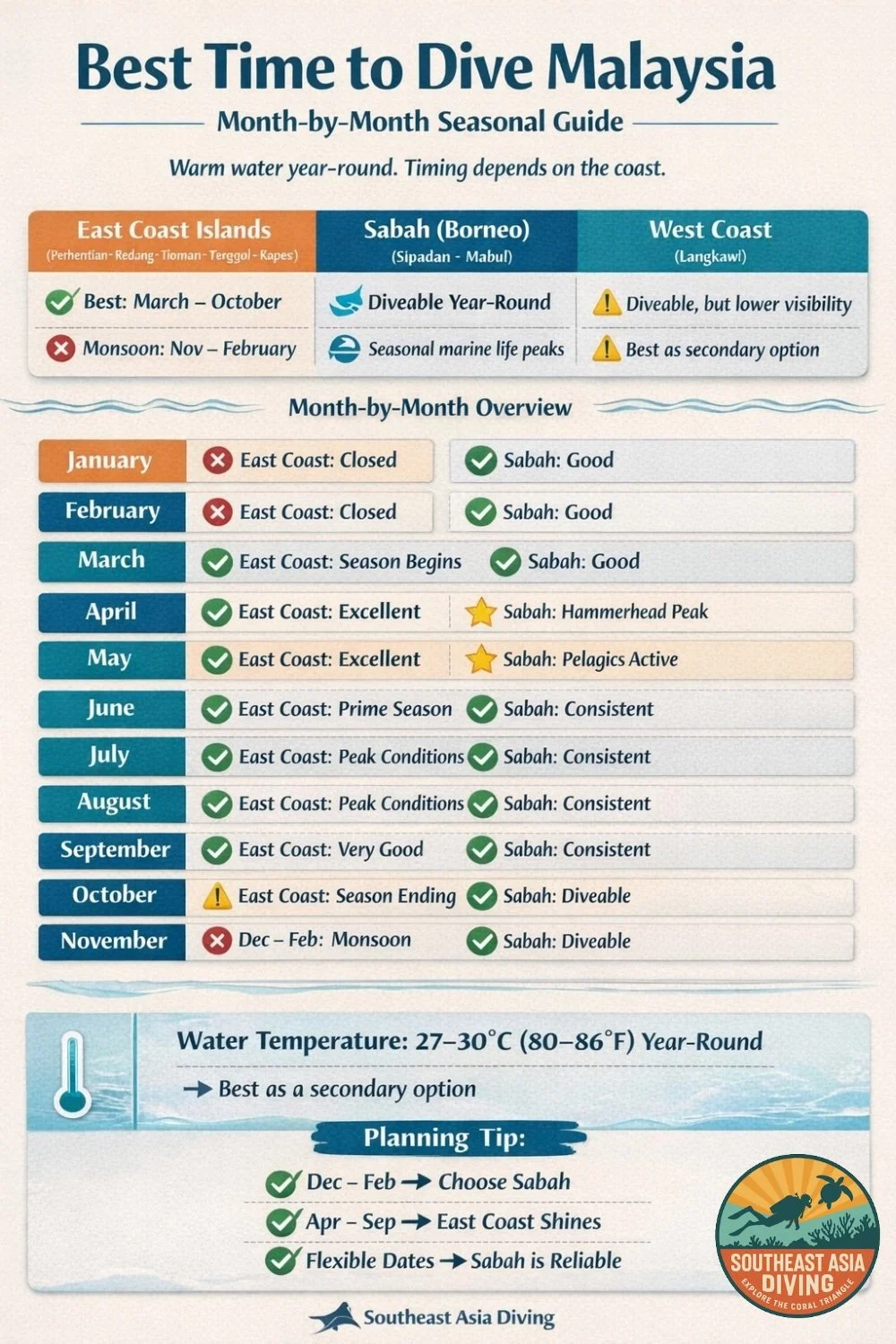
One of the most important factors when planning scuba diving in Malaysia is understanding that the country’s coasts operate on different seasonal rhythms. Conditions are rarely cold, but they are highly influenced by monsoon patterns.
Choosing the right coast at the right time matters more than choosing the right wetsuit.
East Coast of Peninsular Malaysia
(Perhentian, Redang, Tioman, Tenggol, Kapas, Lang Tengah)
The east coast islands follow the northeast monsoon cycle.
The main diving season typically runs from March through October, when seas are calmer, visibility improves and most resorts and dive centres operate at full capacity. During this period, conditions are generally warm, predictable and well suited to recreational diving and certification courses.
From November through February, the northeast monsoon brings stronger winds and rougher seas. Most east coast islands either close entirely or operate in a very limited capacity. Visibility can drop significantly, and boat transfers may become unreliable.
For planning purposes, the east coast should be considered a seasonal destination — excellent during its window, but not year-round.
Sabah (Sipadan & Mabul)
In contrast, Sabah’s diving — particularly around Sipadan and Mabul Island — is generally diveable year-round.
While weather systems still influence conditions, Sabah is less directly affected by the northeast monsoon in the same way as the east coast of the peninsula. Resorts operate throughout the year, and visibility is often strong across multiple months.
That said, marine life patterns shift seasonally. Hammerhead sightings tend to peak at certain times. Barracuda schooling density can vary. Layang-Layang’s hammerhead season is typically strongest around April and May.
For divers prioritising flexibility in travel dates, Sabah offers the most consistent year-round diving in Malaysia.
West Coast of Peninsular Malaysia
(Langkawi & surrounding areas)
The west coast is technically diveable for much of the year, but visibility is typically lower due to sediment and river runoff into the Strait of Malacca. Conditions may fluctuate depending on rainfall and tidal movement.
It is rarely a primary destination for international dive travel, but for locally based divers or those already visiting Langkawi, it remains an accessible option.
Water Temperature
Water temperature in Malaysia remains warm throughout the year, typically ranging between 27–30°C (80–86°F).
Thermal protection is minimal for most divers — a 3mm wetsuit or even a rash guard is often sufficient. Malaysia is rarely cold diving; instead, it is about timing coastlines correctly and aligning your trip with seasonal patterns.
In Summary
East Coast: Best March–October, largely closed during monsoon
Sabah: Diveable year-round with seasonal marine life variations
West Coast: Accessible but typically lower visibility
Malaysia rewards informed timing. With the right seasonal choice, diving conditions are consistently warm, accessible and highly enjoyable.
What You’ll See Underwater
Scuba diving in Malaysia delivers both ends of the spectrum — from fast-moving pelagic encounters to patient macro observation.
It is one of the few destinations in Southeast Asia where wide-angle drama and critter hunting coexist within a single itinerary.
Big Animal Encounters
At sites like Sipadan, schooling fish define the experience. Barracuda gather in tight spirals over vertical walls. Giant schools of jackfish pulse in unison just off the reef edge. Green and hawksbill turtles appear in remarkable numbers, often resting beneath coral overhangs or cruising slowly through the blue.
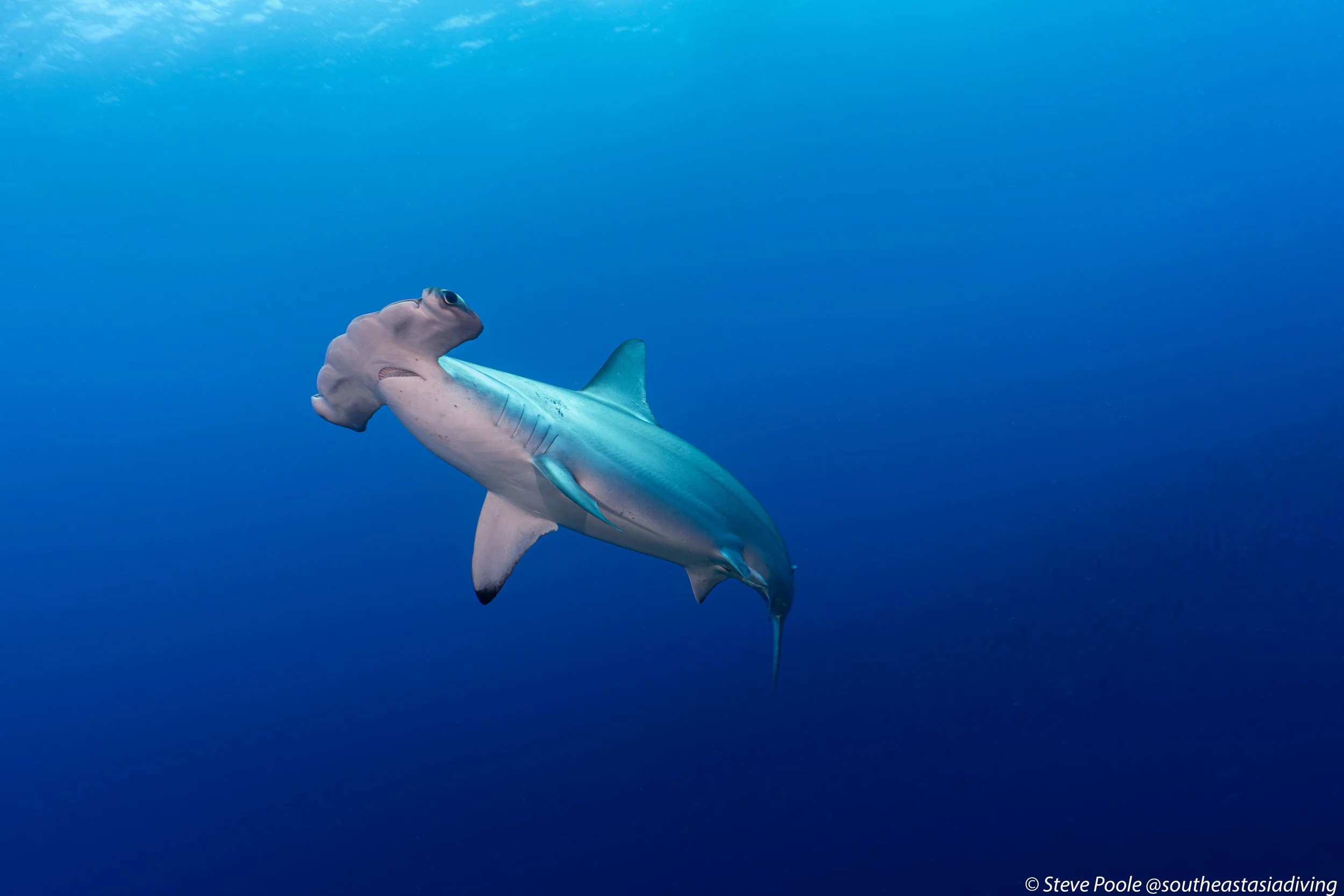
Reef sharks are a regular presence, particularly on deeper wall sections. In certain locations and seasons, scalloped hammerheads move through offshore atolls, adding a pelagic dimension that elevates the diving beyond typical reef encounters.
These aren’t one-off sightings — they are part of the rhythm of Sabah’s ecosystem.
Macro & Critters
Just as compelling is Malaysia’s macro life, particularly around Mabul Island and selected east coast sites.
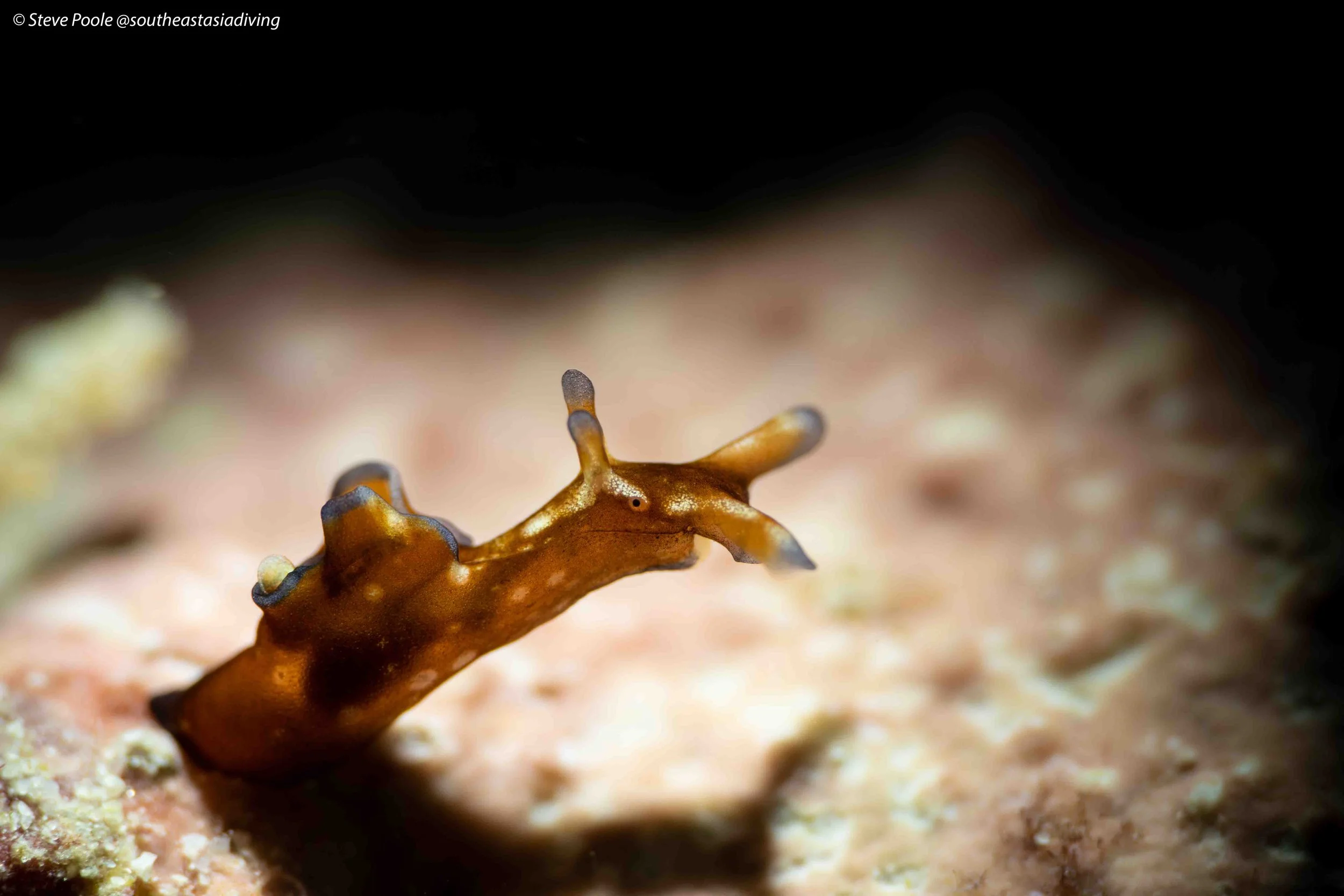
Here, sandy slopes and artificial structures reveal an entirely different world. Nudibranch diversity is impressive and varied. Blue-ringed octopus flash electric warning colours before retreating into crevices. Frogfish sit motionless against sponge-covered substrates. Ghost pipefish hover delicately among crinoids.
The pace slows. Dives become more observational. Patience is rewarded.
For underwater photographers, this range is particularly powerful — wide-angle schooling scenes one day, intricate macro subjects the next.
Reef Life & Coral Health
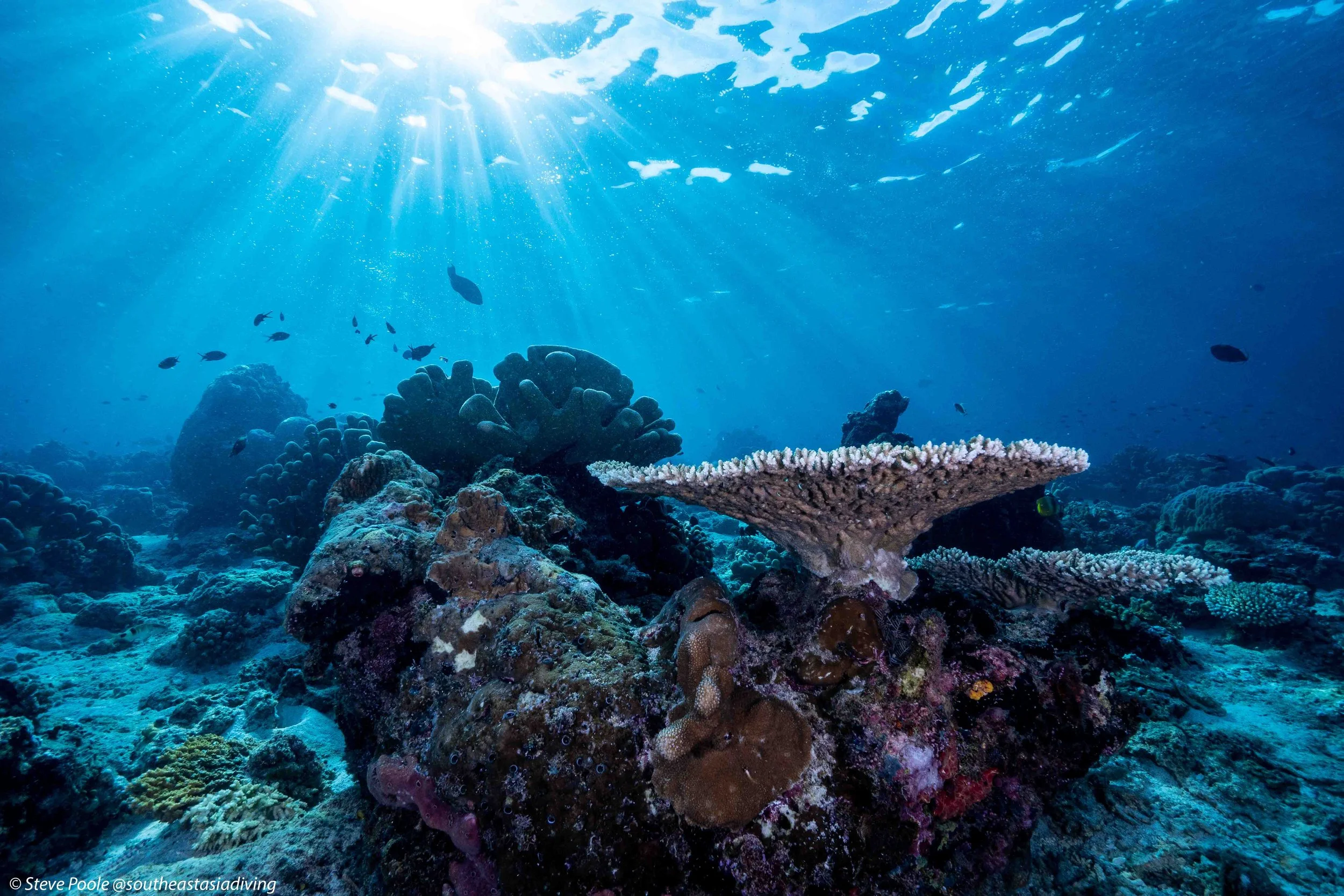
Across the east coast islands — including Perhentian Islands and Redang Island — vibrant coral gardens dominate the landscape.
Hard corals, reef fish schools, moray eels, triggerfish and the occasional passing turtle define relaxed reef diving. While not as dramatic as Sabah’s oceanic walls, these sites offer consistency and biodiversity in calmer, shallower conditions.
Topography & Structure
Malaysia’s underwater terrain is as varied as its marine life.
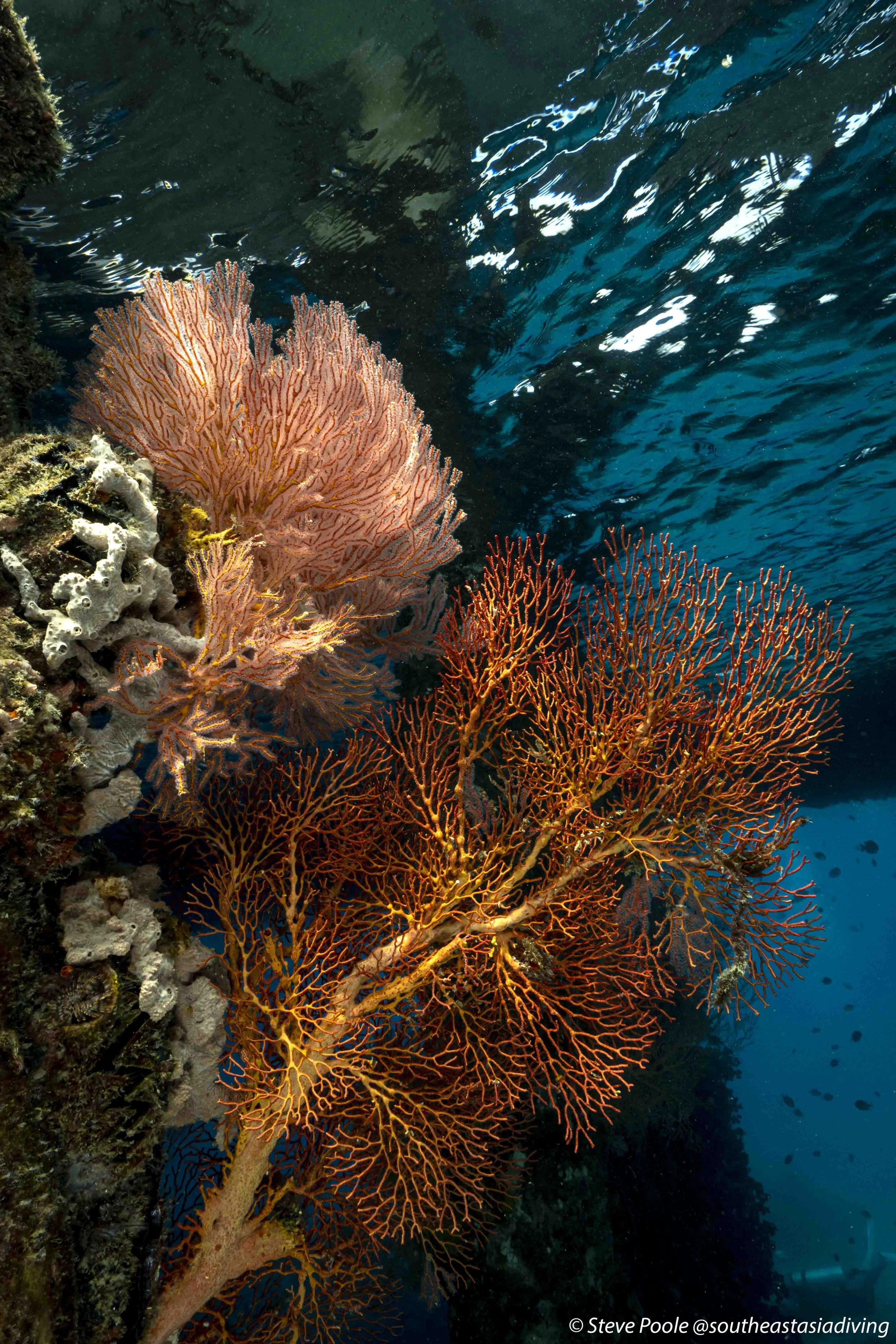
Vertical oceanic walls drop into deep blue water around Sipadan. Coral gardens and sloping reefs characterise the east coast islands. Sandy muck environments dominate parts of Mabul. Offshore atolls such as Layang-Layang rise abruptly from deep water, creating pelagic corridors.
Few destinations combine:
Sheer walls
Shallow training reefs
Sandy macro slopes
Remote atolls
within one national boundary.
In Summary
Malaysia is not defined by a single iconic species or dive type. Instead, it offers range — schooling fish, sharks, turtles, macro rarities and varied topography — all within a warm, accessible environment.
It’s that combination of biodiversity and contrast that makes diving in Malaysia quietly compelling.
Who Malaysia Is For
Malaysia is ideal for divers who value range and reliability.
It suits those who want both macro and big schooling fish within a single trip — wide-angle walls one day, critter hunting the next. Few destinations allow that shift without changing countries.
It’s particularly strong for underwater photographers building portfolios. The combination of dense schooling fish at Sipadan and macro-rich environments at Mabul Island allows for meaningful subject diversity without logistical complexity.
Malaysia also works well for:
Divers planning their first true “bucket list” wall dives
Singapore and Kuala Lumpur–based divers seeking structured weekend trips
Travellers who prefer managed permit systems over overcrowded, open-access sites
Divers who want warm water and predictable conditions without expedition-level planning
It is less about spectacle tourism and more about repeatable, high-quality diving. The encounters are not random or seasonal anomalies — they are built into the structure of the ecosystem.
For divers who appreciate consistency over hype, Malaysia often exceeds expectations.
Planning & Logistics
Diving in Malaysia is straightforward — but timing and permits matter.
At Sipadan, daily dive permits are strictly limited. Most divers access Sipadan through stays on nearby islands such as Mabul Island, where resorts allocate permits across multi-day packages. Booking early is essential, particularly during peak travel periods.
On the east coast of Peninsular Malaysia, seasonality is the primary planning factor. Islands such as Perhentian Islands, Redang Island and Tioman Island typically operate from March through October and close during the northeast monsoon. Always confirm opening dates before booking flights or accommodation.
Advanced certification is recommended for deeper wall dives at Sipadan and for remote atoll diving such as Layang-Layang, where currents can be stronger and profiles more demanding.
You should also consider:
Comprehensive dive insurance, particularly when travelling to remote areas of Sabah
Reef-safe sunscreen to protect coral systems
Preparing underwater camera equipment in advance — Malaysia’s diversity makes it especially photography-friendly
With the right timing and preparation, planning a Malaysia dive trip is relatively uncomplicated compared with many other Coral Triangle destinations.
Final Thoughts
Malaysia isn’t the loudest diving destination in Southeast Asia.
But it may be one of the most complete.
From barracuda spirals over vertical walls to meticulous macro exploration on sandy slopes; from beginner-friendly coral gardens to seasonal hammerhead encounters at remote atolls — few countries offer this range within such a compact geography.
Having lived and dived here extensively, what stands out is not unpredictability, but consistency. The diving rewards return visits. It improves with familiarity. And it supports both recreational divers and serious underwater photographers without demanding extreme logistics.
For those willing to look beyond the loudest headlines, scuba diving in Malaysia offers something quietly powerful: range, reliability and repeatable quality — all in warm water.
FAQ’s
Is Sipadan worth it?
For most divers, yes — Sipadan consistently lives up to its reputation. The density of schooling fish, regular turtle encounters and dramatic wall structure make it one of Southeast Asia’s most reliable big-animal dive sites. The daily permit system also helps maintain reef quality and encounter consistency. If you are comfortable with walls and mild current, Sipadan is widely considered worth the effort and planning.
Is Malaysia good for beginners?
Yes. Malaysia offers some of the most accessible entry-level diving in the region. The Perhentian Islands and Tioman Island are particularly well suited to certification courses, refresher dives and newly qualified divers. Warm water, generally calm conditions during the main season and well-established dive infrastructure make them ideal starting points.
Is Malaysia good for underwater photography?
Absolutely. Malaysia offers both wide-angle and macro opportunities within one trip. At Sipadan, schooling barracuda, jackfish and turtles provide strong wide-angle subjects. Meanwhile, Mabul Island is widely regarded as one of Southeast Asia’s top macro environments, with frogfish, blue-ringed octopus and diverse nudibranch species. Few destinations combine both styles so efficiently.
When should I avoid Malaysia?
It depends on the coast. The east coast islands of Peninsular Malaysia typically close during the northeast monsoon, roughly from November to February. During this period, sea conditions can be rough and visibility reduced. Sabah (including Sipadan and Mabul) remains diveable year-round, although marine life patterns may vary seasonally.
Is Malaysia better than Indonesia for diving?
They offer different strengths. Indonesia has larger geographic scale and more remote expedition-style diving. Malaysia provides strong biodiversity with more structured logistics, easier access and consistent permit management at flagship sites. For divers seeking variety without complex travel planning, Malaysia can be a more efficient option.
Do I need advanced certification for Malaysia?
Not always. Many east coast islands are suitable for Open Water divers. However, advanced certification is recommended for deeper wall dives at Sipadan and for offshore sites such as Layang-Layang, where currents and depth profiles may be more demanding.
Is Malaysia expensive for diving?
Compared with many global bucket-list destinations, Malaysia is relatively affordable. While Sipadan permits and resort packages increase cost, training courses and recreational diving on the east coast islands remain competitively priced within Southeast Asia.
What is the water temperature in Malaysia?
Water temperature typically ranges between 27–30°C (80–86°F) year-round. A 3mm wetsuit is sufficient for most divers, and some choose lighter thermal protection depending on personal preference.