🌏 Is Southeast Asia Still the Best Region for Scuba Diving?
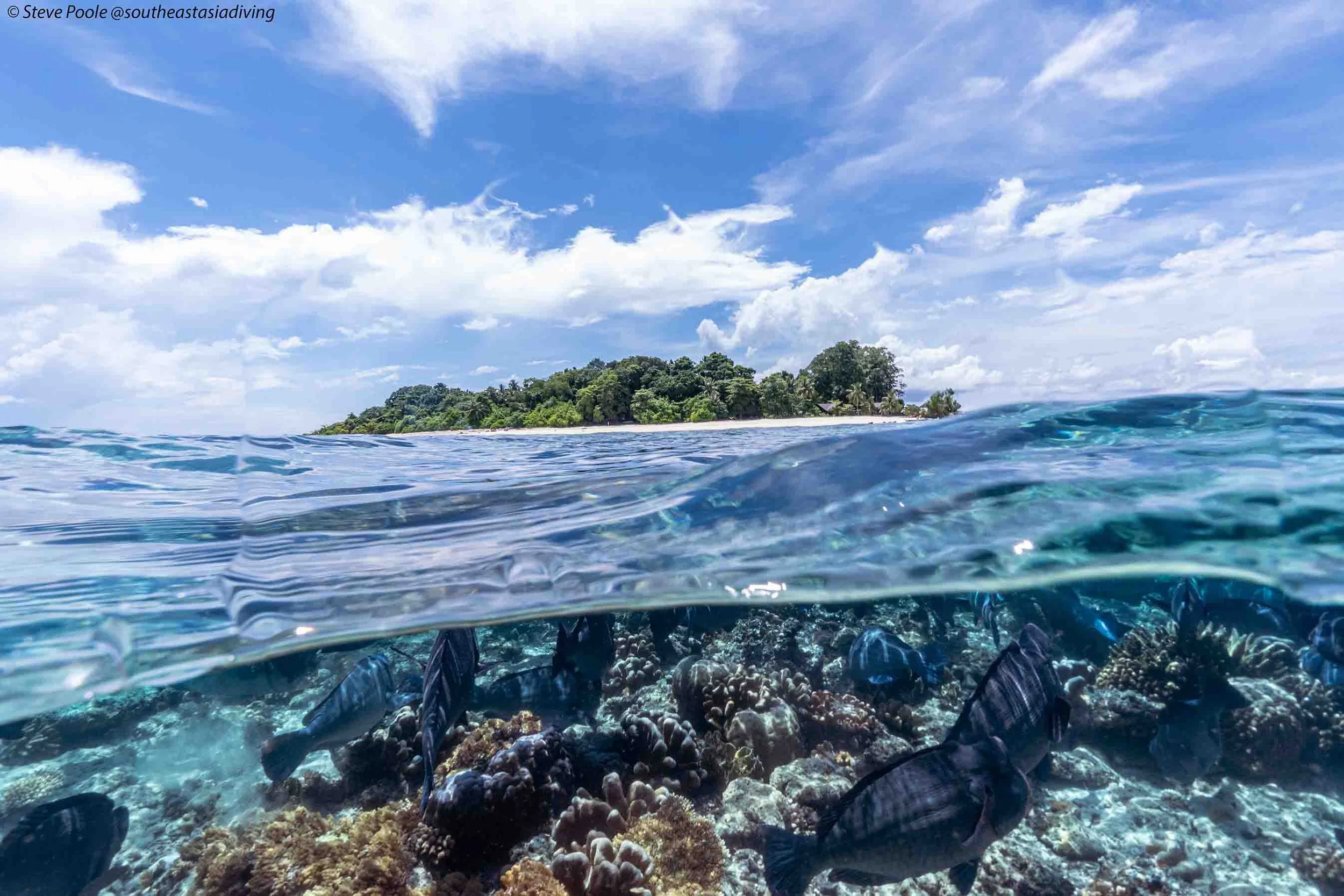
Southeast Asia is a region with so much diversity, but how does it stack up to other regions?
How It Compares Today — and What Divers Should Really Consider
🧭 Introduction
For decades, Southeast Asia has been synonymous with world-class scuba diving. From vibrant coral reefs and extraordinary marine biodiversity to accessible training and affordable travel, the region played a central role in shaping modern recreational diving. For many divers, this is where their underwater journey began — or where it deepened from casual interest into lasting passion.
The reasons are well known. Southeast Asia offers an unusual concentration of life at recreational depths, a wide range of dive styles within relatively small geographic areas, and a cost structure that has long made extended dive travel possible. It’s a region where beginners can take their first breaths underwater and experienced divers can still be surprised, often on the very same trip.
But as diving has grown more popular — and more visible — the question comes up more often: is Southeast Asia still the best region for diving?
It’s a fair question, and an increasingly unavoidable one. Iconic sites now face significant pressure. Social media has reshaped how destinations are discovered, marketed, and visited, often accelerating crowding at already well-known locations. Climate stress events, coastal development, and shifting seasonal patterns are harder to ignore than they were even a decade ago.
At the same time, divers themselves have changed. Today’s divers are generally better informed, more environmentally aware, and more curious about the long-term health of the places they visit. Many are asking deeper questions — not just about what they’ll see underwater, but about sustainability, stewardship, and the impact of their presence.
Answering whether Southeast Asia is still the best region for diving means moving beyond hype or nostalgia. It requires stepping back and examining what “best” actually means in a modern diving context — and recognizing that the answer isn’t universal for every diver, every trip, or every set of priorities.
Southeast Asia still offers something rare in global diving. But appreciating why the region continues to matter today depends on understanding both its strengths and its limitations — and on approaching the question with the same thoughtfulness that modern dive travel increasingly demands.

Southeast Asia offers many Macro destinations……
🧠 What Does “Best” Actually Mean in Diving?
“Best” is one of the most commonly used — and least clearly defined — words in scuba diving. It’s often treated as a fixed ranking, when in reality it reflects a set of personal priorities that vary widely from one diver to the next.
For some divers, “best” means biodiversity: dense reefs, high fish biomass, and the sense that every dive reveals something new. For others, it’s about big animals, adrenaline-driven encounters, or dramatic underwater landscapes shaped by currents and depth. Increasingly, divers are also factoring in impact — how responsibly a region is managed and how well its reefs are protected over the long term.
What makes the idea of “best” so complex is that it’s rarely about a single attribute. Instead, it’s shaped by how multiple factors combine to influence the overall diving experience.
Several elements consistently play a role:
Accessibility and ease of travel
How straightforward it is to reach dive destinations, move between sites, and plan multi-stop trips.Cost of diving, training, and accommodation
Whether diving is financially sustainable for more than a short, one-off visit.Variety of dive styles
The ability to experience macro, reef, pelagic, and environmental diversity without changing regions.Suitability for different experience levels
Opportunities for beginners, intermediates, and advanced divers to all find meaningful diving.Seasonal reliability
How predictable conditions are, and how much flexibility divers need when planning trips.Marine protection and local stewardship
The presence — and enforcement — of conservation measures that support reef resilience.
No single region excels in every category. Some offer pristine conditions but limited access. Others deliver big animals but little variety. Some are visually stunning yet financially restrictive or suitable only for advanced divers.
What has historically set Southeast Asia apart is not dominance in one area, but consistency across many. The region rarely claims the superlative in any single category, yet it performs strongly across a broad spectrum of what divers value.
That balance — rather than perfection — is why Southeast Asia remains central to the global diving conversation, and why the question of whether it is still the best is worth examining carefully rather than answering reflexively.
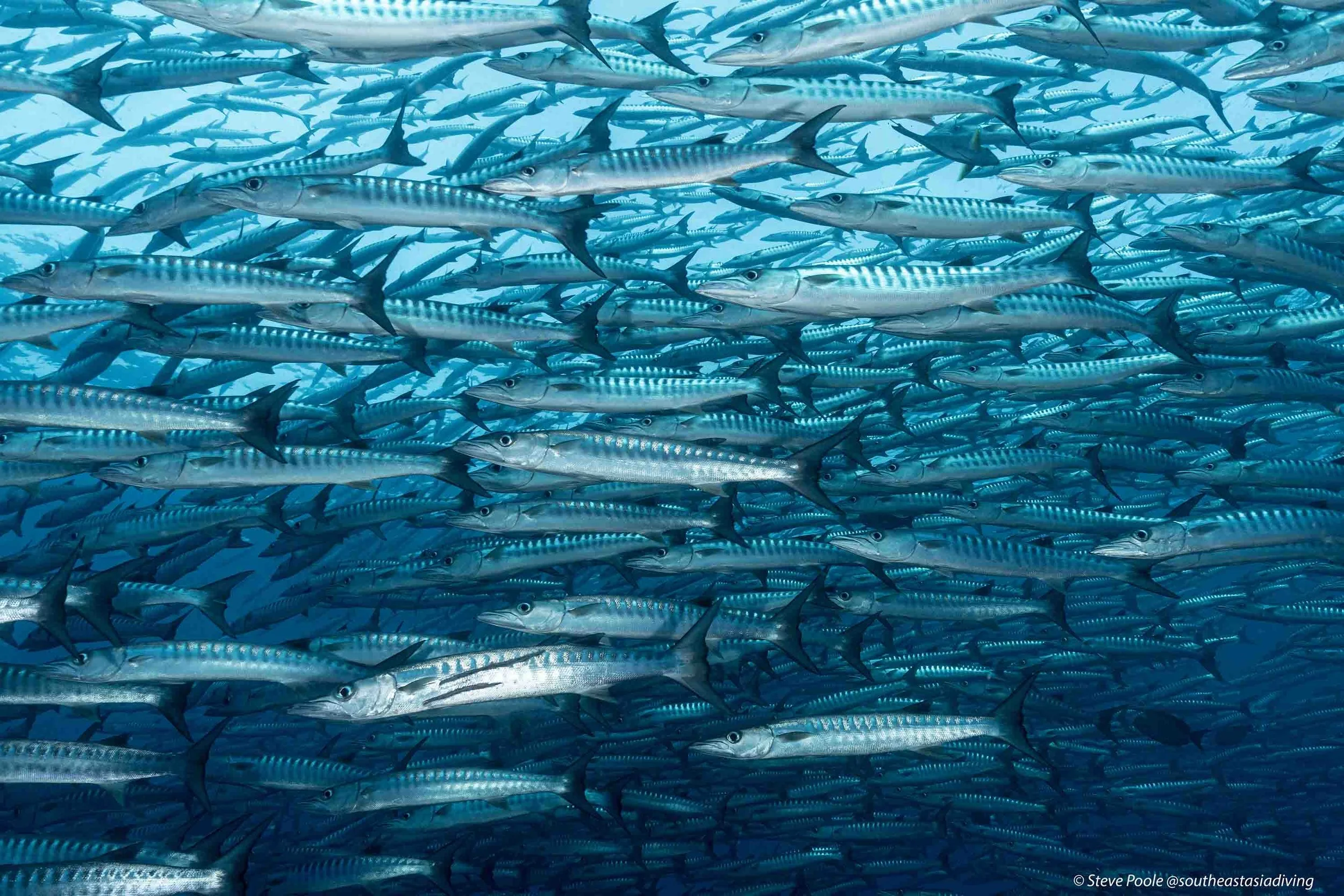
…..along with lots of opportunity for pelagic species and wide angle subjects which is unmatched in other regions
🌊 Where Southeast Asia Still Excels
Despite real challenges, Southeast Asia continues to offer a combination of strengths that few regions can match — especially when viewed as a whole rather than through the lens of a single, overexposed site. While individual destinations may rise and fall in popularity or condition, the region’s overall depth and diversity remain remarkably resilient.
🐠 Unmatched Biodiversity at Accessible Depths
Southeast Asia sits at the heart of the Coral Triangle, the most biologically diverse marine region on the planet. What makes this especially significant for divers is not just the number of species present, but how accessible that biodiversity is.
Healthy coral systems, dense reef fish populations, macro life, and occasional pelagic encounters are frequently found at recreational depths. Divers don’t need technical training or extreme conditions to experience richness underwater — much of it unfolds slowly, dive after dive, in ways that reward observation rather than adrenaline.
This accessibility is a major reason Southeast Asia remains so compelling for both new and experienced divers alike.
📸 Macro and Wide-Angle in the Same Destination
One of Southeast Asia’s most understated strengths is range. Few regions allow divers to shift so easily between critter-focused muck diving and dramatic walls, pinnacles, or current-swept reefs — sometimes within the same day, and often within the same destination.
For underwater photographers, this flexibility is invaluable. Trips don’t need to be built around a single style of diving, and changing conditions rarely mean lost opportunities. For returning divers, it also means that familiar destinations can still feel fresh, offering new perspectives rather than repetition.
This ability to support multiple dive styles without relocation is something many divers only fully appreciate after traveling elsewhere.
💰 Value Without Sacrificing Quality
While Southeast Asia is no longer the ultra-budget destination it once was, it remains one of the most cost-effective regions for high-quality, high-frequency diving.
Training, guided dives, and liveaboards are generally more affordable than in many other parts of the world, especially when weighed against the richness of the diving itself. This affordability allows divers to log meaningful bottom time, refine skills, and return repeatedly — rather than treating dive travel as a rare, one-off experience.
That balance between cost and quality has been central to the region’s long-standing appeal.
🎓 A Broad Spectrum of Experiences
Another defining strength of Southeast Asia is how well it supports divers across different stages of their journey.
Calm, shallow sites provide ideal conditions for training and confidence-building, while more demanding environments — such as drift dives, deep walls, and current-driven reefs — offer challenges for advanced divers. Importantly, these experiences often exist within the same country or region.
This makes Southeast Asia uniquely well suited to progression. Divers can start conservatively, expand their comfort zone gradually, and continue to grow without needing to change continents to do so.
🌍 Diving as Part of a Larger Travel Experience
Finally, diving in Southeast Asia rarely exists in isolation. Cultural depth, food, landscapes, and ease of movement all shape the overall experience in ways that extend far beyond the water.
For many divers, the ability to combine exceptional diving with meaningful travel — whether that’s exploring local culture, cuisine, or landscapes — is part of what defines “best.” Southeast Asia continues to deliver strongly on that front, offering experiences that feel immersive rather than transactional.
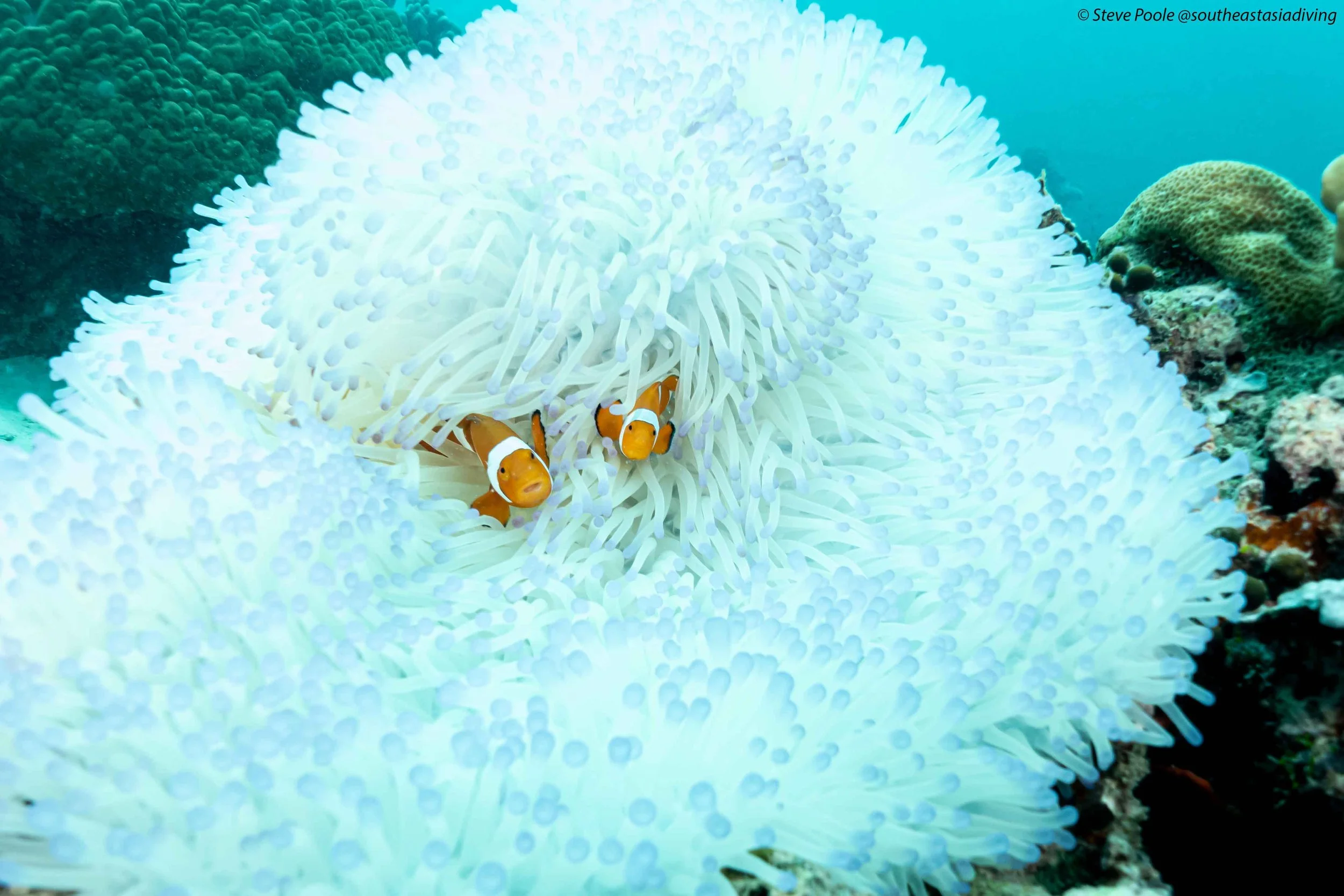
Although it also has challenges that other regions also face
⚠️ Where Southeast Asia Struggles
Southeast Asia’s popularity is one of its defining strengths — and one of its greatest vulnerabilities. The sheer volume of divers visiting the region has placed real pressure on certain destinations, and ignoring that reality helps no one.
These challenges don’t invalidate the quality of diving across the region, but they do shape how — and where — great experiences are still found.
🚤 Overtourism at Iconic Sites
Some of Southeast Asia’s most famous dive sites now experience consistently high diver traffic, particularly during peak seasons. Large numbers of boats, congested entry points, and multiple groups rotating through the same sites can affect both reef health and diver experience.
High diver volumes increase the likelihood of accidental contact with coral, disrupt natural fish behavior, and reduce the sense of immersion that many divers seek. While these sites are rarely “ruined,” they increasingly reward careful timing, smaller groups, and operators who actively manage diver behavior underwater.
In short, where and when you dive now matter as much as what you dive.
🛑 Inconsistent Management and Enforcement
Marine protection across Southeast Asia is uneven. Some areas benefit from strong local stewardship, well-defined marine parks, and active enforcement. Others struggle with limited resources, competing economic pressures, or unclear jurisdiction.
This inconsistency means that reef health can vary dramatically between destinations that appear similar on paper. For divers, it places greater importance on research and on supporting operators who invest in conservation rather than simply marketing it.
Effective protection exists — but it isn’t universal.
🏗️ Coastal Development Pressure
Rapid coastal development has reshaped parts of the region. Resort expansion, ports, and infrastructure projects can impact nearby reefs through sediment runoff, pollution, and habitat disruption.
These impacts are often gradual rather than dramatic, which makes them easy to overlook on short visits. Over time, however, changes in water clarity, coral coverage, and nearshore ecosystems become more apparent — especially to divers returning to the same locations over multiple years.
🌦️ Seasonal and Environmental Variability
Southeast Asia’s diving conditions are inherently seasonal. Monsoons, shifting currents, and weather patterns can significantly affect visibility and site accessibility.
In recent years, climate-driven stress events — including coral bleaching — have added another layer of variability. Some reefs recover quickly; others take longer. Conditions that were once predictable are now more variable, and marketing often lags behind reality.
As a result, there is no longer a single, universally “perfect” season across the region.
📸 The Weight of Expectations
Finally, Southeast Asia increasingly carries the burden of its own reputation. Social media has reshaped how dive destinations are presented, often emphasizing exceptional moments while omitting context.
When reality doesn’t match highly curated imagery, even objectively good diving can feel disappointing. Managing expectations has become an essential part of modern dive travel — particularly in regions as photographed and promoted as Southeast Asia.
🌐 How Southeast Asia Compares to Other Major Diving Regions
No diving region has everything. Each excels in certain areas while accepting trade-offs in others. Looking at Southeast Asia alongside other major regions helps clarify why it remains so relevant — and why “best” depends on context rather than headlines.
Caribbean
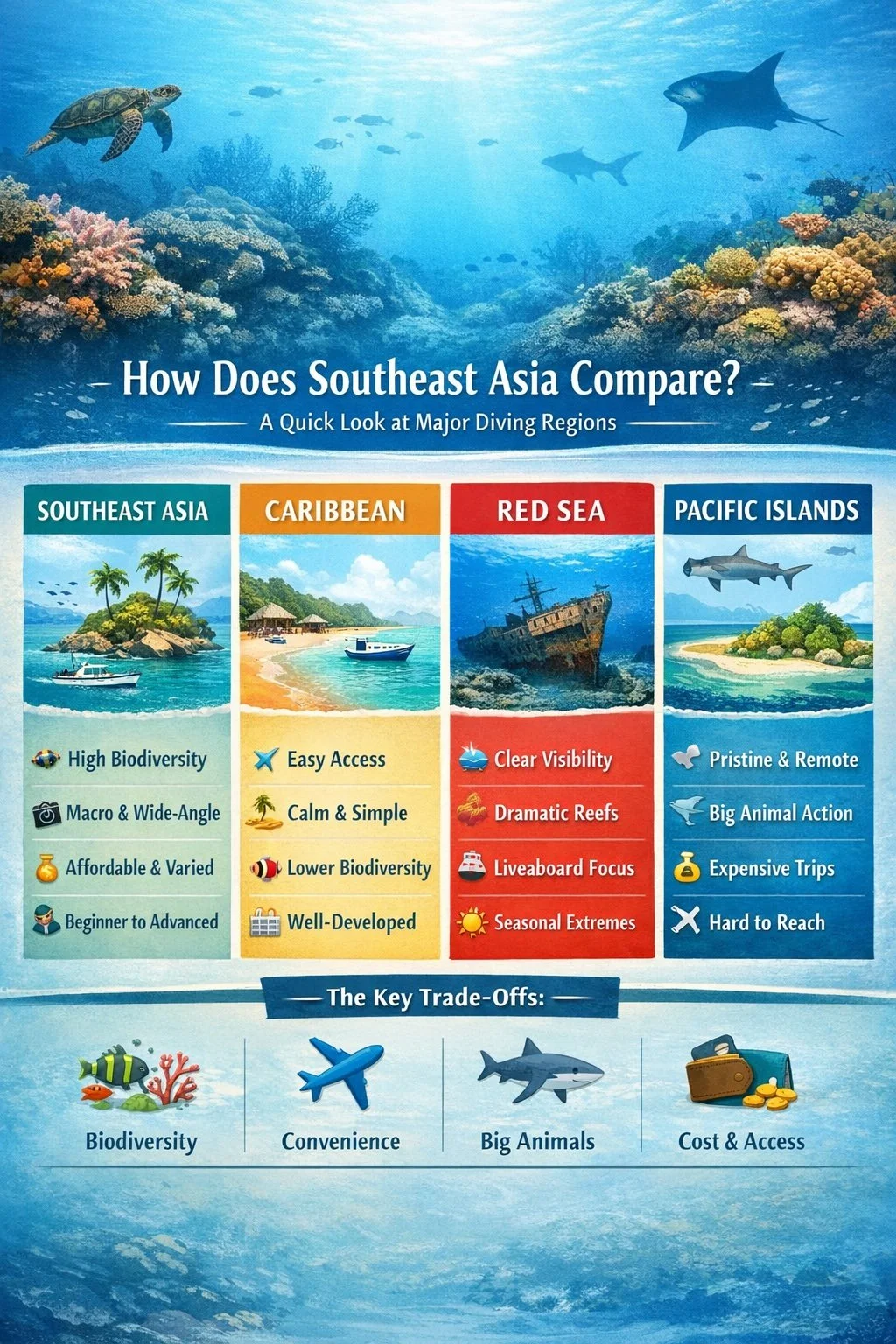
The Caribbean is often defined by convenience and familiarity, particularly for North American divers. Short travel times, established infrastructure, and straightforward logistics make it an attractive option for quick dive trips.
Conditions are often calm, and many destinations offer easy boat diving and clear water. However, reef biodiversity and fish biomass are generally lower than in Southeast Asia, and macro diversity is limited by comparison. In many areas, historical overfishing, disease, and bleaching have reduced reef complexity.
For divers prioritizing ease and efficiency, the Caribbean excels. For those seeking variety and biological density, Southeast Asia typically offers more underwater richness per dive.
Red Sea
The Red Sea is renowned for dramatic reef structures, strong coral growth, and exceptional visibility. Walls, drop-offs, and hard coral formations can be visually striking, and liveaboard logistics are well developed.
Where the Red Sea can feel more limited is in stylistic diversity over longer trips. While the reefs are consistently beautiful, dive profiles and environments often feel similar after multiple days. Macro life exists, but it is not the region’s primary strength.
In contrast, Southeast Asia offers greater contrast — shifting between reef styles, macro habitats, and current-driven sites — which can sustain longer trips without repetition.
Pacific Islands
Remote Pacific destinations are often considered the benchmark for pristine, low-density diving. Healthy reefs, large animals, and minimal diver pressure create exceptional experiences, particularly for advanced divers seeking isolation and scale.
The trade-offs are significant. These trips are expensive, logistically complex, and often require long travel times. Dive opportunities may be fewer, and trips are typically structured around specific experiences rather than variety.
Southeast Asia does not offer the same level of remoteness, but it delivers far greater accessibility and repeatability — allowing divers to return often and explore widely rather than committing to rare, high-cost trips.
Indian Ocean
The Indian Ocean is synonymous with big-animal encounters. Manta rays, sharks, and pelagic species are major draws, often in open-ocean or channel environments.
These encounters are frequently seasonal and conditions can be demanding, with stronger currents and limited flexibility for less experienced divers. While the rewards can be extraordinary, the learning curve is steeper.
Southeast Asia generally provides a more forgiving environment while still offering pelagic encounters in select locations — making it accessible to a broader range of divers.
Balance Over Dominance
What emerges from these comparisons is not a clear winner, but a pattern. Southeast Asia may not always be the most pristine, the clearest, or the most remote region — but it consistently offers a balanced blend of biodiversity, variety, accessibility, and value.
That balance, rather than dominance in any single category, is what has kept Southeast Asia central to global diving for decades — and why it continues to be part of the conversation today.
✅ So… Is Southeast Asia Still the Best Region for Diving?
If “best” means untouched, ultra-remote reefs with minimal human presence, then the answer may be no. Regions of the far Pacific or parts of the Indian Ocean can still offer experiences defined by isolation and scale in ways Southeast Asia no longer consistently can.
But if “best” means variety, biodiversity, accessibility, value, and long-term diving potential, Southeast Asia remains one of the strongest regions in the world — and arguably the most complete.
No other region combines such dense marine life at recreational depths with the ability to move seamlessly between dive styles, destinations, and experience levels. Few places allow divers to return repeatedly, continue learning, and still encounter genuine discovery without prohibitive cost or logistical barriers.
What has changed is the nature of the reward.
Southeast Asia no longer rewards passive diving — the assumption that great experiences will simply happen anywhere, anytime, with any operator. Today, experience quality increasingly depends on thoughtful choices:
Where you go — selecting destinations beyond the most saturated sites
When you go — understanding seasons, conditions, and peak pressure
Who you dive with — choosing operators that manage divers well and respect the reef
How you behave underwater — buoyancy, awareness, and restraint now matter more than ever
Divers who engage with Southeast Asia in this way are still rewarded with extraordinary experiences. Those who don’t may find the region falls short of expectations shaped by outdated narratives or curated imagery.
Southeast Asia still delivers world-class diving — but it does so on its own terms. And for divers willing to approach it thoughtfully, it remains one of the most rewarding places in the world to explore beneath the surface.
🤿 How Divers Can Help Keep Southeast Asia Worth Diving
Divers play a meaningful role in shaping the future of Southeast Asia’s reefs. While large-scale change depends on policy, management, and local leadership, the cumulative impact of everyday diver choices is real — and increasingly important.
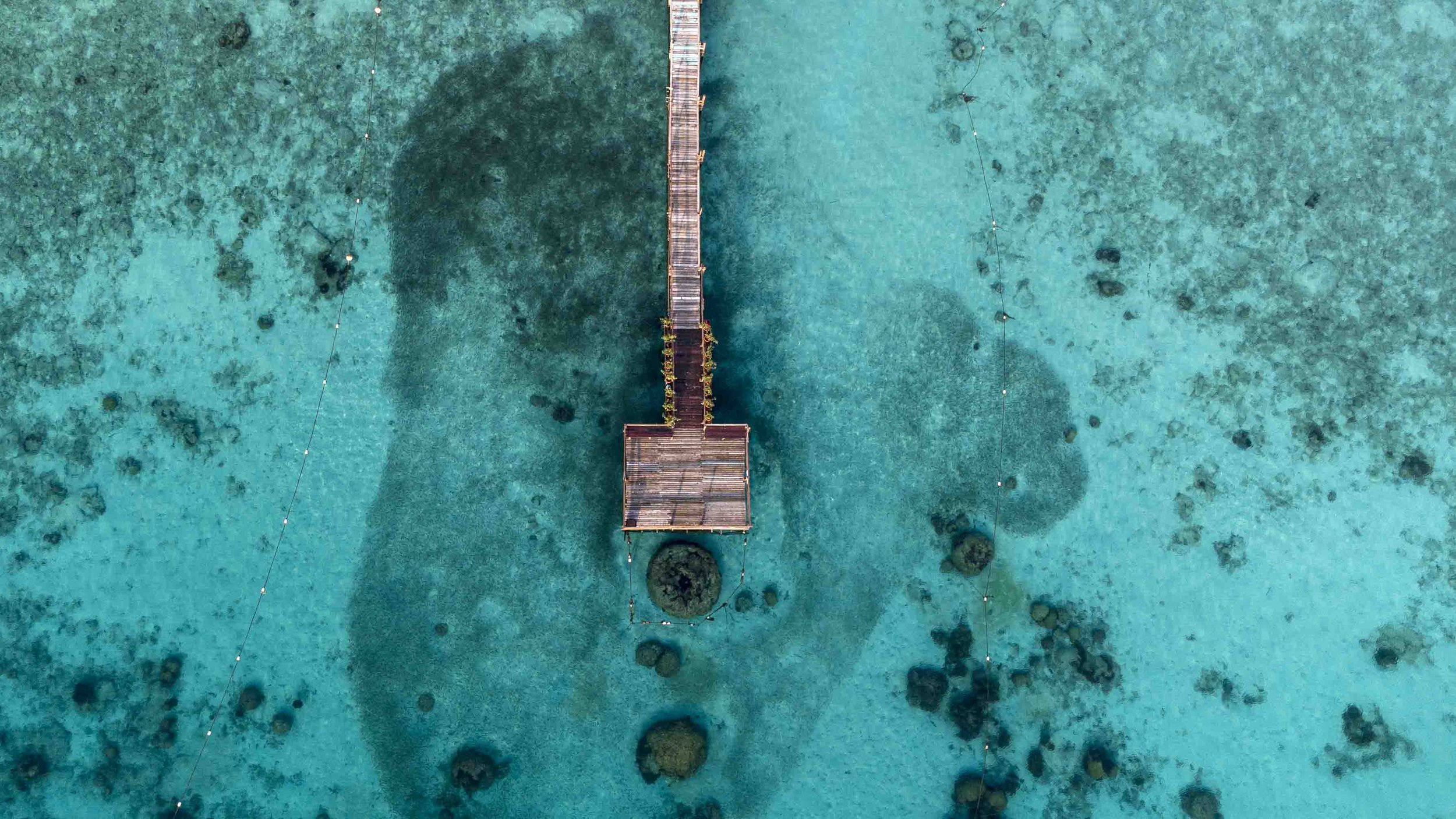
Beautiful turquoise water
The good news is that helping protect the region doesn’t require dramatic sacrifices or perfect behavior. It comes down to small, realistic decisions that fit naturally into modern dive travel.
Traveling Outside Peak Periods
Choosing to dive outside the busiest months can significantly reduce pressure on popular sites. Shoulder seasons often offer fewer boats, more relaxed dive schedules, and a better overall experience — without sacrificing dive quality.
Spreading demand more evenly across the year helps reefs recover and reduces congestion for both divers and operators.
Supporting Responsible Operators
Dive operators shape much of what happens underwater. Those that limit group sizes, enforce good buoyancy, brief divers thoroughly, and avoid overcrowded sites make a tangible difference.
Supporting operators with strong environmental practices — rather than simply the lowest price or highest volume — encourages better standards across the region. Where divers spend their money matters.
Improving Buoyancy and Situational Awareness
Good buoyancy isn’t just a technical skill — it’s one of the most effective forms of reef protection available to individual divers.
Maintaining control, avoiding contact with the reef, and staying aware of fins, gauges, and camera equipment reduces accidental damage and preserves natural behavior. These skills improve safety and enjoyment at the same time.
Relying More on Physical Sun Protection
Reducing reliance on chemical sunscreens is one of the simplest ways divers can lower their environmental footprint. Rash guards, long sleeves, hats, and shade during surface intervals offer effective protection with minimal impact.
When sunscreen is necessary, choosing reef-conscious formulations and applying them thoughtfully helps limit what enters the water.
Modern Dive Travel, Done Thoughtfully
None of these choices require giving up comfort or experience. In many cases, they enhance it — quieter dive sites, better-managed operations, and greater personal skill all contribute to more rewarding dives.
These aren’t sacrifices. They’re simply part of modern dive travel — an evolution that allows Southeast Asia to remain a place of discovery rather than nostalgia.
🧾 Final Thoughts
Southeast Asia isn’t perfect — and it never was. What made the region special was never an illusion of untouched wilderness or effortless diving, but depth: ecological, experiential, and cultural.
Its reefs have always existed alongside people. Fishing villages, trade routes, tourism, and conservation have long shared the same coastline. The diving has never been isolated from human presence — and yet, time and again, it has remained rich, surprising, and deeply rewarding.
What has changed is not the value of the region, but the level of awareness required to fully appreciate it.
For divers willing to engage thoughtfully — to look beyond the most obvious sites, to understand seasons and conditions, to choose operators carefully, and to dive with intention — Southeast Asia continues to deliver extraordinary experiences. Not in spite of its challenges, but often because navigating them reveals reefs that feel alive, dynamic, and earned rather than staged.
In a world where truly untouched places are increasingly rare, Southeast Asia offers something arguably more meaningful: a living, evolving dive region where responsible choices still matter and where discovery is shaped as much by perspective as by location.
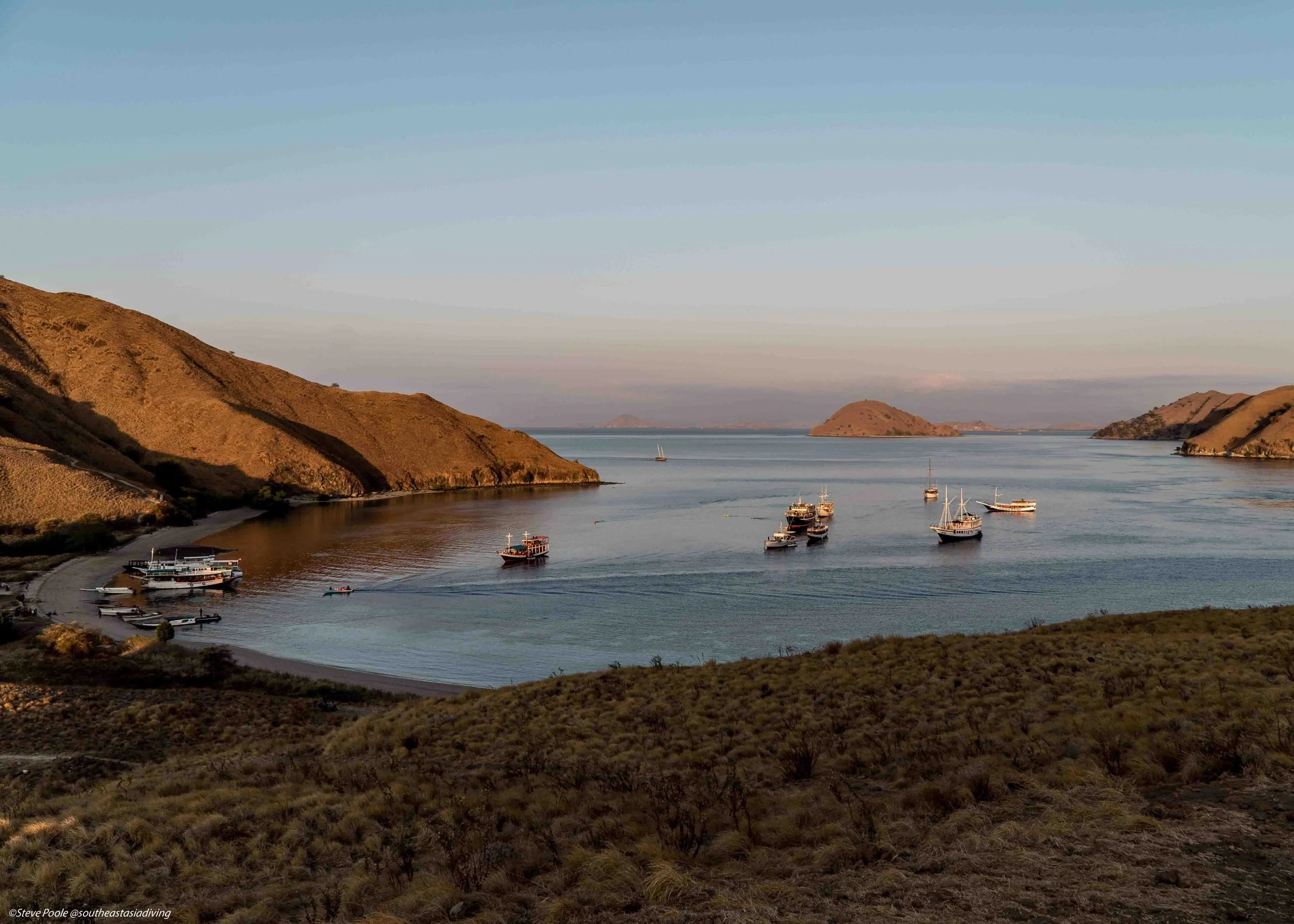
For many divers, that depth — rather than perfection — is what continues to make Southeast Asia one of the most compelling places in the world to explore beneath the surface.
❓ Frequently Asked Questions
Is Southeast Asia still good for beginner divers?
Yes — Southeast Asia remains one of the best regions in the world for beginner scuba divers. The region offers many calm, shallow dive sites with warm water, good visibility, and minimal currents, making it ideal for training and early experience.
Equally important, Southeast Asia provides clear progression opportunities. New divers can start in gentle conditions and gradually move on to deeper reefs, drift dives, or more challenging environments without needing to change regions. This combination of accessibility and growth potential is rare globally.
Is diving in Southeast Asia overcrowded everywhere?
No. While some iconic dive sites experience heavy pressure during peak seasons, overcrowding is not uniform across the region.
Many lesser-known destinations, secondary sites, and emerging dive areas remain lightly dived and exceptionally rewarding. Even within popular destinations, crowd levels can vary dramatically depending on the time of year, day of the week, and operator choice.
Overcrowding in Southeast Asia is often a matter of where and when, rather than an unavoidable regional problem.
Has reef quality declined across Southeast Asia?
Reef quality in Southeast Asia varies widely. Some areas have experienced coral loss due to climate stress, development, or historical pressure, while others remain resilient or are actively recovering.
Marine protection, enforcement, and local stewardship play a major role in determining reef health. As a result, two destinations with similar geography can show very different underwater conditions.
Rather than broad decline, the region is best understood as a patchwork — with reefs ranging from stressed to vibrant depending on management and location.
How can I avoid crowds when diving in Southeast Asia?
Avoiding crowds in Southeast Asia is often straightforward with a bit of planning:
Travel during shoulder or off-peak seasons
Dive mid-week rather than on weekends
Choose smaller dive operators with limited group sizes
Explore lesser-known or emerging dive destinations
These choices often lead to quieter dive sites, better interactions with marine life, and a more relaxed overall experience — without sacrificing dive quality.
Is Southeast Asia still good value for dive travel?
Yes. Compared to many global dive regions, Southeast Asia continues to offer excellent value — particularly when considering dive frequency, variety, and overall travel experience.
Training, guided dives, accommodation, and liveaboards are generally more affordable than in regions such as the Pacific Islands or parts of the Caribbean. This allows divers to spend more time underwater, return more often, and explore a wider range of dive styles without prohibitive cost.
Is Southeast Asia still one of the best places to scuba dive in the world?
For divers seeking variety, biodiversity, accessibility, and long-term exploration potential, Southeast Asia remains one of the strongest scuba diving regions in the world.
While it may not always offer the most remote or untouched reefs, it continues to deliver consistently rewarding diving experiences — especially for those willing to dive thoughtfully and make informed choices.