10 Southeast Asia Dive Sites Under Pressure — And What Divers Should Know
Overcrowding, reef stress, and how responsible divers can make better choices
Introduction
Southeast Asia is home to some of the most celebrated dive sites on Earth. Warm water, vibrant reefs, and extraordinary marine life have drawn generations of divers — many experiencing the underwater world for the very first time. For countless people, this region is where a lifelong connection to the ocean begins.
But popularity comes at a cost.
As tourism and dive access have expanded rapidly over the past few decades, some of Southeast Asia’s most famous and beginner-friendly dive sites are now showing signs of stress. Crowded boats, concentrated dive traffic, coastal development, and uneven protection have all influenced reef health and marine life behavior — particularly at well-known, easy-to-reach locations.
It’s important to be clear: this article is not about “bad” dive sites.
Many of the places listed here still offer enjoyable, meaningful dives. Some remain iconic for good reason. However, they also reveal what happens when success outpaces management, and when fragile ecosystems are asked to absorb constant pressure without enough time or space to recover.
By highlighting these sites, the goal isn’t to discourage diving — it’s to encourage informed, responsible diving. Understanding where pressure exists helps divers make better choices, supports operators doing the right thing, and ultimately gives reefs a better chance to recover and thrive for future generations of divers and marine enthusiasts.
Below are 10 well-known Southeast Asia dive destinations currently under pressure. For each, we explain what’s happening, what divers notice today, and how small, thoughtful choices can make a meaningful difference underwater.
I’ve been fortunate to dive extensively across Southeast Asia, returning to many of the same sites over the years. In that time, I’ve seen how some reefs have changed — from coral damage and bleaching to the subtle but cumulative effects of over-tourism. A number of these sites, particularly in Peninsular Malaysia, hold a special place in my heart. They’re places where I’ve spent countless hours underwater, and seeing them under strain only strengthens my hope that, with care and restraint, they can recover and continue to inspire future generations of divers and marine enthusiasts.
This article is not about labeling dive sites as “good” or “bad,” but about highlighting visible pressures so these places can be better protected, managed, and enjoyed for generations to come.
How these sites were selected
Each destination appears on this list due to one or more of the following factors:
🚤 High diver and boat traffic concentrated at a small number of sites
🪸 Visible coral damage or signs of reef stress
🏝 Coastal development, sedimentation, or runoff
🐠 Wildlife pressure at predictable encounter locations
⚠️ Management or enforcement limitations, despite protected status in some cases
These challenges are rarely caused by divers alone. They reflect rapid tourism growth, infrastructure strain, and how sensitive marine ecosystems respond to repeated use over time.
Recognizing these pressures is the first step toward protecting the places we love — not just for today’s divers, but for those who will follow.
The sites that follow are not ranked by severity, nor are they presented as warnings to stay away. Instead, they offer a snapshot of how different kinds of pressure show up underwater — from wildlife crowding and training impact to tourism concentration and seasonal overload. We begin with Nusa Penida, a destination that perfectly illustrates how global popularity and extraordinary marine life can collide, and why thoughtful diving choices matter more than ever.
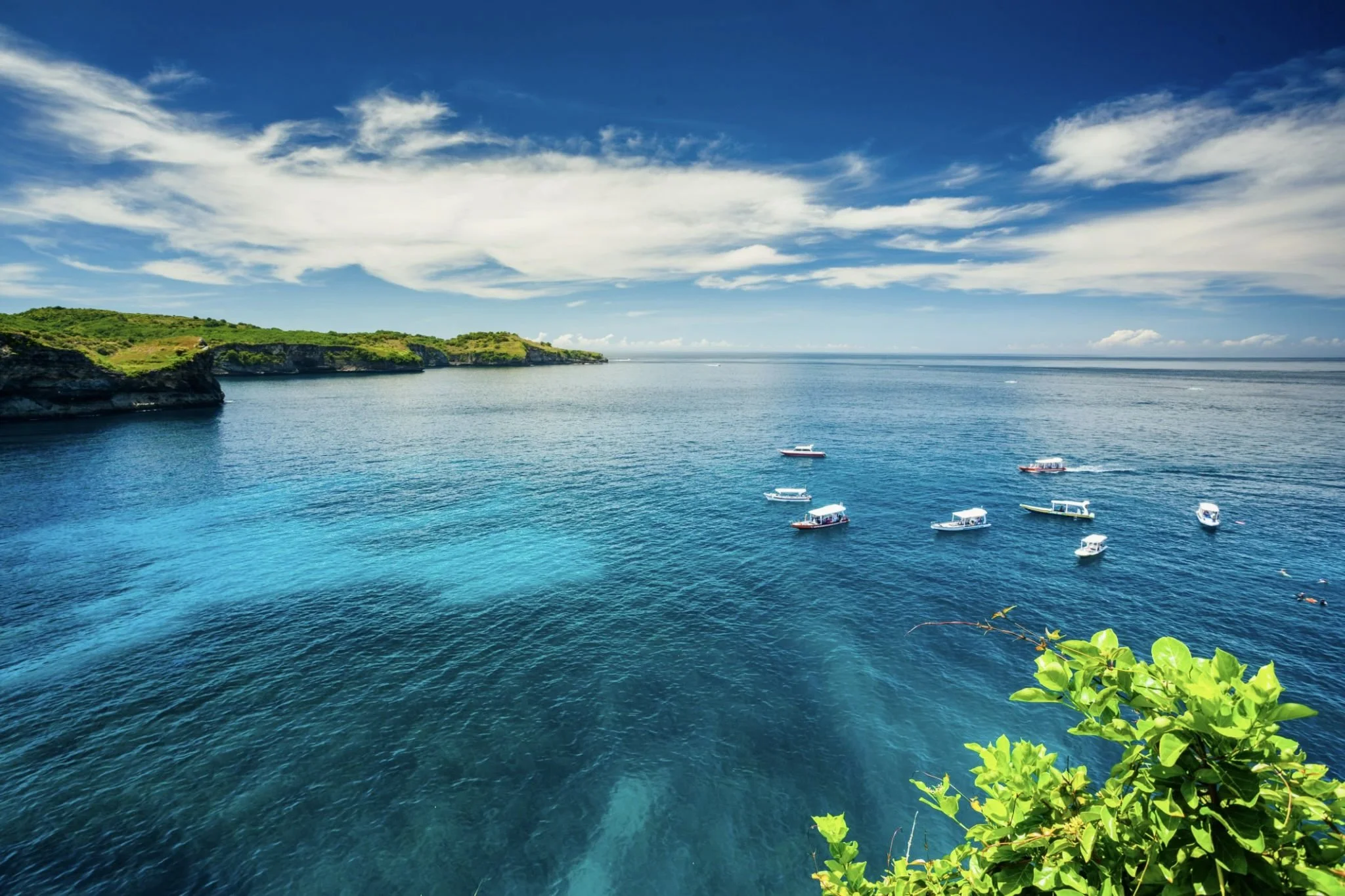
Nusa Penida is famous for Manta Ray and Mola Mola encounters and draws large numbers of visitors for these sightings
#1 — Nusa Penida
Iconic wildlife encounters under growing pressure
Why it’s under pressure
Nusa Penida has become one of Southeast Asia’s most sought-after dive destinations thanks to its reliable manta ray encounters and seasonal sightings of oceanic sunfish (mola mola). Combined with its close proximity to Bali, this has led to extremely high daily visitation — particularly at a small number of famous sites such as manta cleaning stations.
The challenge isn’t just the number of divers, but how concentrated that activity is. Divers and snorkelers often converge on the same shallow areas at the same time, placing stress on coral reefs and increasing pressure on marine life that depends on predictable, undisturbed behavior.
What divers notice today
Divers visiting Nusa Penida today often notice that peak periods can feel busy both above and below the surface. Descents may involve multiple groups entering the water simultaneously, and manta encounters can sometimes feel rushed or crowded.
In shallow areas, signs of wear are more apparent — including broken coral patches near entry points and reduced reef complexity close to heavily used sites. While the mantas are still present, the overall experience can feel less calm and natural during high-traffic windows.
When it can still be enjoyable
Despite these pressures, Nusa Penida can still deliver outstanding dives with thoughtful planning. Early morning departures are typically quieter, and weekday diving avoids much of the weekend crowding associated with Bali-based day trips.
Diving outside the busiest months, or choosing sites away from Manta Point, often results in more relaxed conditions and healthier reef sections. When currents are favorable and crowds are light, Nusa Penida still showcases the dramatic underwater landscapes it’s known for.
Better alternatives nearby
For divers seeking similar conditions with less pressure, nearby options include:
Menjangan Island, offering protected reefs and calmer diving
Tulamben, known for accessible shore dives and slower-paced exploration
East Bali dive sites that receive fewer daily visitors
These areas often reward divers with quieter dives and healthier reef systems.
Key takeaway
Nusa Penida remains one of Southeast Asia’s most impressive dive destinations, but it clearly shows how popularity can shape the underwater experience. With careful timing, responsible operators, and thoughtful diving practices, it’s still possible to enjoy this remarkable place — while helping ensure it remains a thriving ecosystem for years to come.
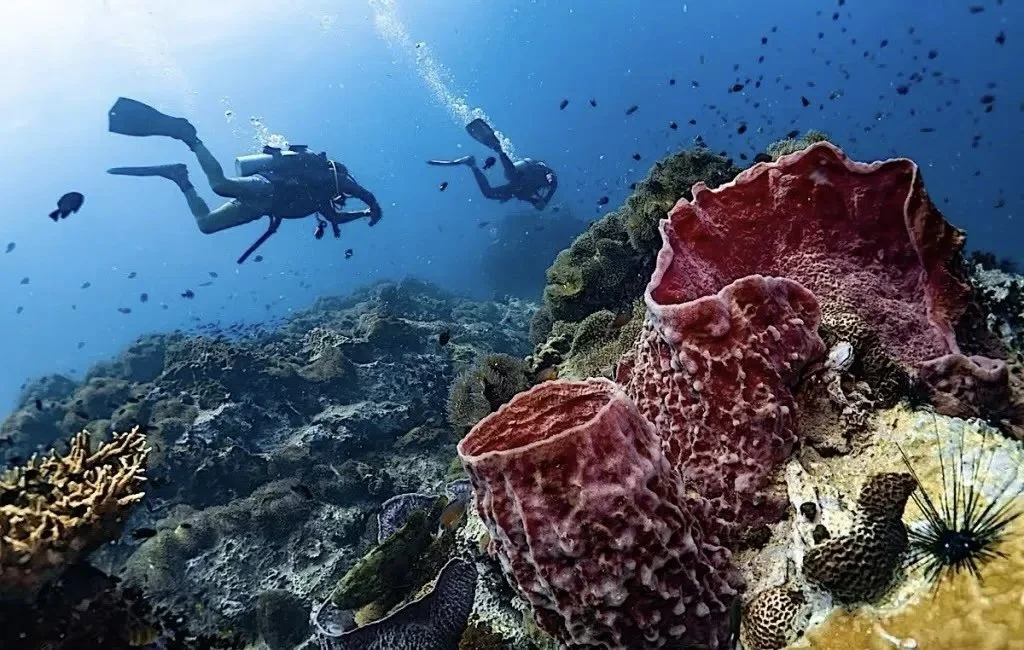
Koh Tao is an affordable place to learn scuba diving and draws large crowds
#2 — Koh Tao
World-famous training ground feeling the weight of success
Why it’s under pressure
Koh Tao is one of the most popular places in the world to learn to scuba dive. Calm seas, warm water, affordable courses, and easy logistics attract thousands of new divers every year. This accessibility has played a major role in growing the global diving community — but it also concentrates activity on a relatively small number of shallow, beginner-friendly reefs.
Most pressure comes from repeated training dives at the same sites. Skills practice, descents, ascents, and surface intervals all happen over fragile coral areas, often multiple times a day. Over time, even well-intentioned diving adds up, especially where reefs have little chance to rest or recover.
What divers notice today
Divers visiting Koh Tao today often notice busy bays with several groups in the water at once, particularly during peak season. Shallow reefs near training areas may show signs of wear, including broken coral and reduced complexity.
At the same time, conditions can change dramatically with depth and location. Offshore pinnacles and deeper sites often feel far healthier, with stronger fish life and less direct impact from constant training activity.
When it can still be enjoyable
Koh Tao can still offer very enjoyable diving with smart planning. Early morning dives tend to be quieter and more relaxed, while mid-week schedules avoid the heaviest training traffic.
Deeper sites such as offshore pinnacles often feel less pressured and more dynamic, especially when currents bring in schools of fish. For beginners, these dives can be both exciting and confidence-building once basic skills are in place.
Better alternatives nearby
For similar conditions with reduced pressure, consider:
Sail Rock, offering deeper diving and healthier structures
Koh Phangan, where some sites receive less daily traffic
Seasonal Andaman Sea destinations outside peak months
These options still suit newer divers while offering a slower pace.
Key takeaway
Koh Tao remains one of Southeast Asia’s best places to learn to dive. Its popularity, however, makes it a clear example of how training volume affects reef health. For beginners, it’s not just a place to earn a certification — it’s an opportunity to develop habits that protect reefs everywhere they dive.
#3 — Phi Phi Islands
Spectacular scenery, crowded underwater
Why it’s under pressure
The Phi Phi Islands are among Thailand’s most iconic destinations, drawing large numbers of visitors for their dramatic limestone cliffs, clear water, and postcard scenery. This popularity extends underwater, where diving, snorkeling, and boat-based tourism often overlap at the same shallow reef systems.
Pressure here is driven less by diver skill level and more by sheer volume. Multiple boats may visit the same sites in quick succession, while snorkelers and swimmers share space with divers. Anchoring, prop wash, and repeated daily use place consistent stress on coral reefs that have little opportunity to recover between visits.
What divers notice today
Divers at Phi Phi frequently notice busy conditions, especially during peak travel months. Descents and ascents can involve several groups at once, and shallow reefs near popular bays often show patchy coral cover.
Sediment stirred up by boat traffic can reduce visibility, particularly later in the day. While fish life remains present, reef structure in high-traffic areas may feel less vibrant compared to quieter Andaman Sea destinations.
When it can still be enjoyable
Phi Phi can still offer very pleasant diving with careful timing and site selection. Early morning dives tend to be calmer, with fewer boats and clearer water. Diving during the low season also reduces crowding significantly.
Sites farther from the main bays, or those exposed to stronger currents, often feel less pressured and more dynamic. With the right conditions, Phi Phi’s underwater scenery can still be relaxed and visually impressive.
Better alternatives nearby
For divers seeking similar scenery with fewer crowds:
Koh Lanta offers quieter diving and more relaxed boat schedules
Southern Andaman Sea sites often experience less daily traffic
Liveaboards can access Phi Phi sites at off-peak times
These options often provide a calmer underwater experience.
Key takeaway
Phi Phi remains undeniably beautiful, but its popularity shapes the diving experience more than ever. For beginners, understanding timing and choosing quieter sites can make the difference between a crowded dive and a genuinely enjoyable one.
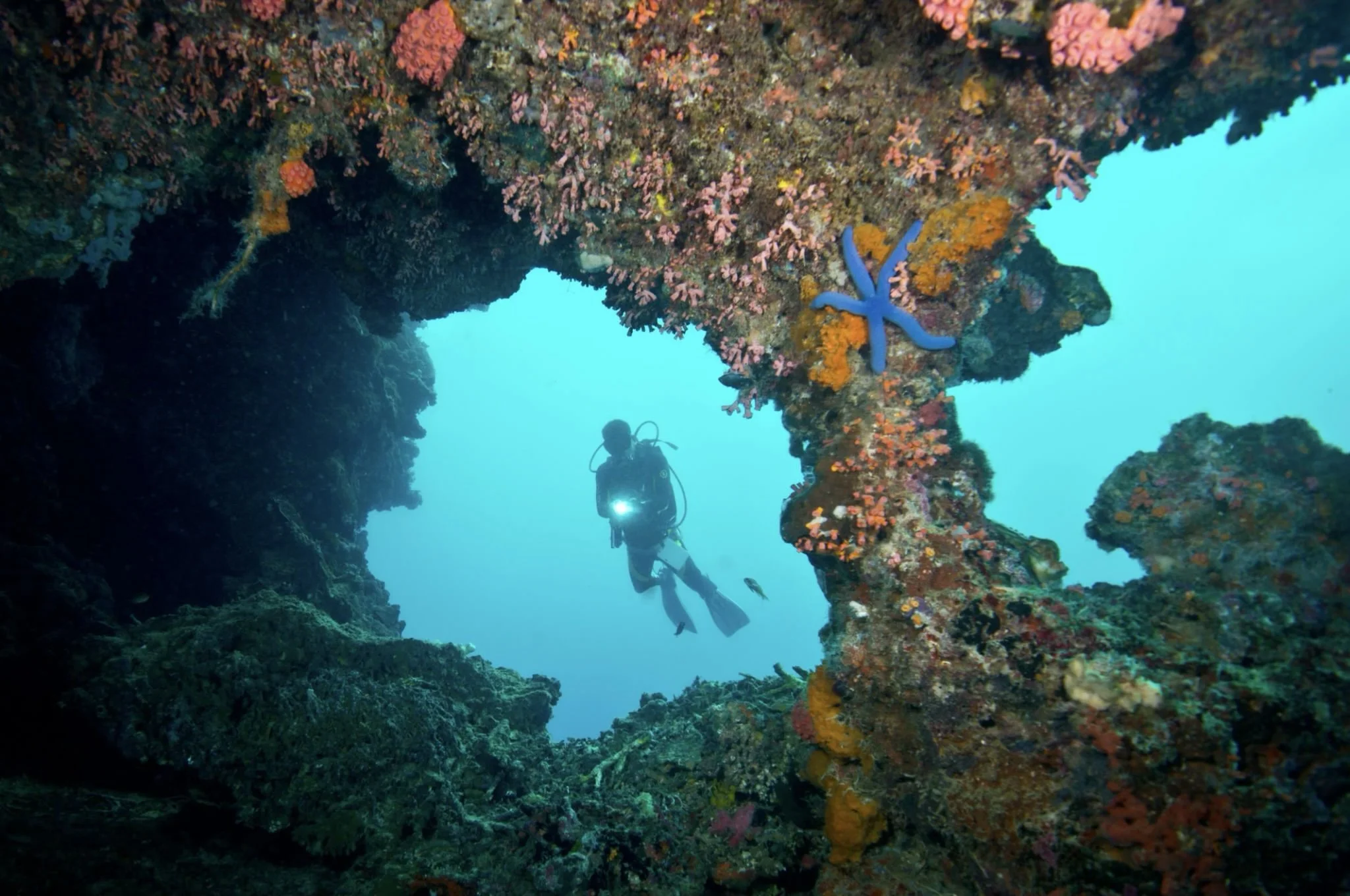
Moalboal has a relatively small stretch of reef which concentrates visitors
#4 — Moalboal
Easy access meets heavy use
Why it’s under pressure
Moalboal is best known for its incredible shore-accessible sardine run, one of the easiest big-animal experiences in Southeast Asia. Divers and snorkelers can enter directly from the beach, making it hugely appealing to beginners and non-divers alike.
That accessibility, however, concentrates activity on a relatively small stretch of reef. Constant daily entries, heavy snorkeler traffic, and coastal development along the shoreline place ongoing stress on nearshore coral systems. Unlike boat-only sites, these reefs receive little downtime, with pressure building steadily throughout the day.
What divers notice today
Divers visiting Moalboal often encounter busy entry points, particularly mid-morning when snorkelers and dive groups overlap. Close to town, shallow reefs may show signs of wear, including broken coral and reduced structural complexity.
Conditions tend to improve the farther you move from shore. Offshore sites — especially around nearby islands — generally feel calmer, with healthier coral and more balanced marine life.
When it can still be enjoyable
Moalboal can still deliver excellent dives with thoughtful timing and site choice. Early morning dives offer quieter entries, clearer water, and fewer snorkelers. Trips to Pescador Island consistently provide better reef health and more relaxed conditions.
Diving slightly deeper also reduces overlap with surface activity, allowing for longer, calmer dives even on busy days.
Better alternatives nearby
For divers seeking similar experiences with less pressure:
Apo Island offers strong protection and healthier reefs
Southern Cebu sites receive fewer daily visitors
Lesser-known Visayas destinations reward slower travel
These areas often feel calmer and more rewarding underwater.
Key takeaway
Moalboal shows how ease of access can accelerate reef stress. Its iconic sardine run remains impressive, but the surrounding reefs benefit most when divers plan carefully, dive early, and interact thoughtfully. Accessibility is both Moalboal’s greatest strength — and its greatest challenge.
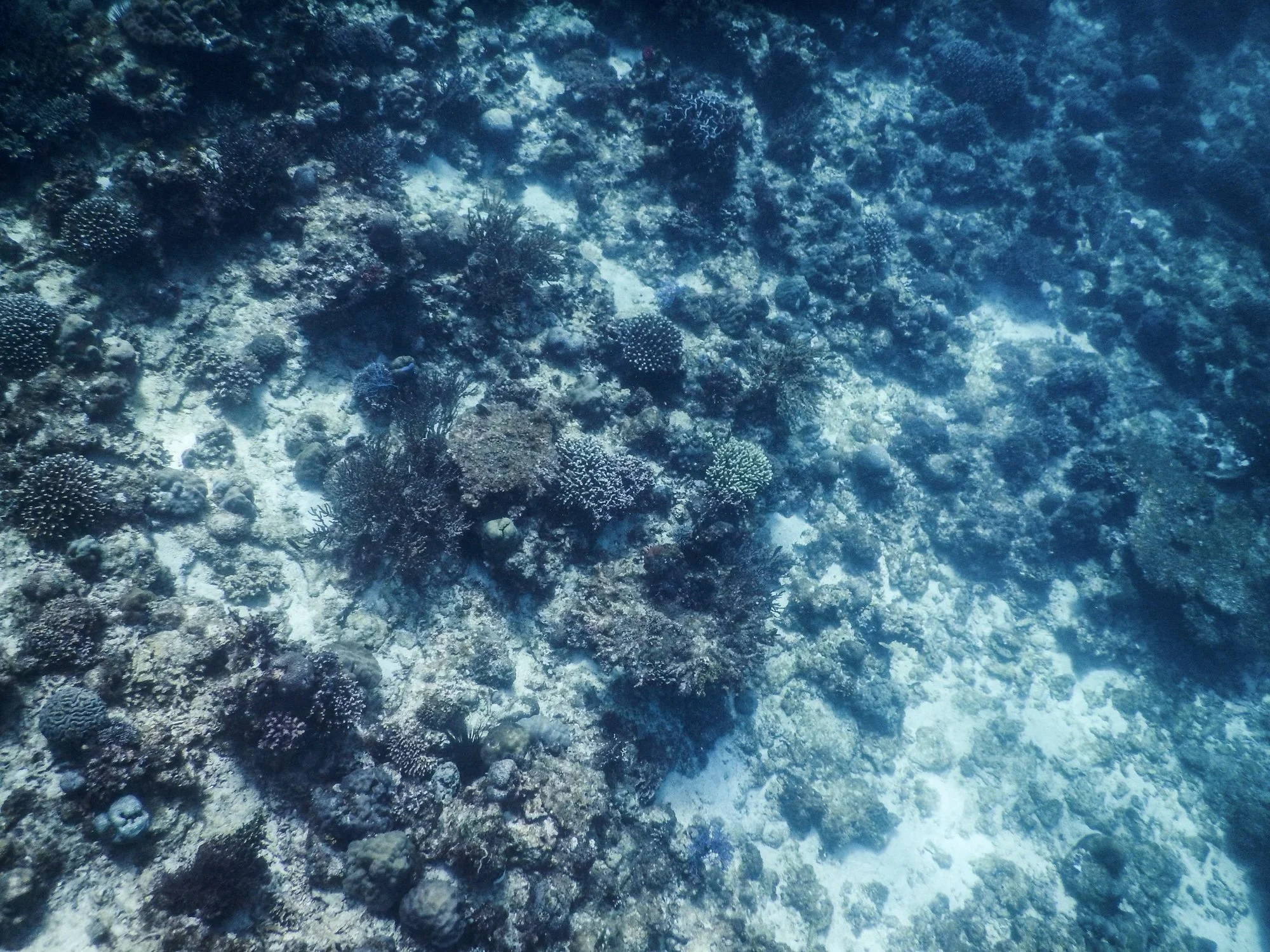
Boracays fame as a beach holiday destination led to overdevelopment which caused stress on the shallow coral reefs
#5 — Boracay
World-famous beaches, recovering reefs
Why it’s under pressure
Boracay’s global fame as a beach destination brought decades of intense tourism before environmental limits were fully understood or enforced. Coastal development, wastewater runoff, and constant boat activity placed long-term pressure on the island’s nearshore marine environment.
In recent years, significant rehabilitation efforts and stricter regulations have helped improve conditions above water — but underwater recovery takes much longer. Coral reefs, especially shallow systems, respond slowly after prolonged stress.
What divers notice today
Divers visiting Boracay today often find calm, easy diving conditions, but reef quality can feel modest compared to less-developed islands. Coral cover is uneven, with some areas showing signs of regrowth while others remain sparse.
Marine life is present, particularly small reef fish and occasional macro subjects, but large, vibrant reef structures are limited. Diving here is generally relaxed rather than dramatic.
When it can still be enjoyable
Boracay can still offer pleasant dives when expectations are aligned:
Early morning dives avoid surface activity and boat traffic
Sites farther from White Beach feel quieter and less disturbed
Calm conditions make it suitable for beginner training and refreshers
Slow, patient diving reveals macro life often overlooked
It’s best approached as a gentle, low-stress diving destination.
Better alternatives nearby
For divers prioritizing reef quality:
Apo Island offers strong protection and vibrant coral
Southern Cebu delivers healthier reef systems
Lesser-visited Visayas islands reward slower travel
These destinations often provide richer underwater scenery.
Key takeaway
Boracay demonstrates that environmental recovery is possible — but gradual. While it may not rival Southeast Asia’s top reef destinations, it stands as an example of why protection matters and why patience is essential for reefs to return.
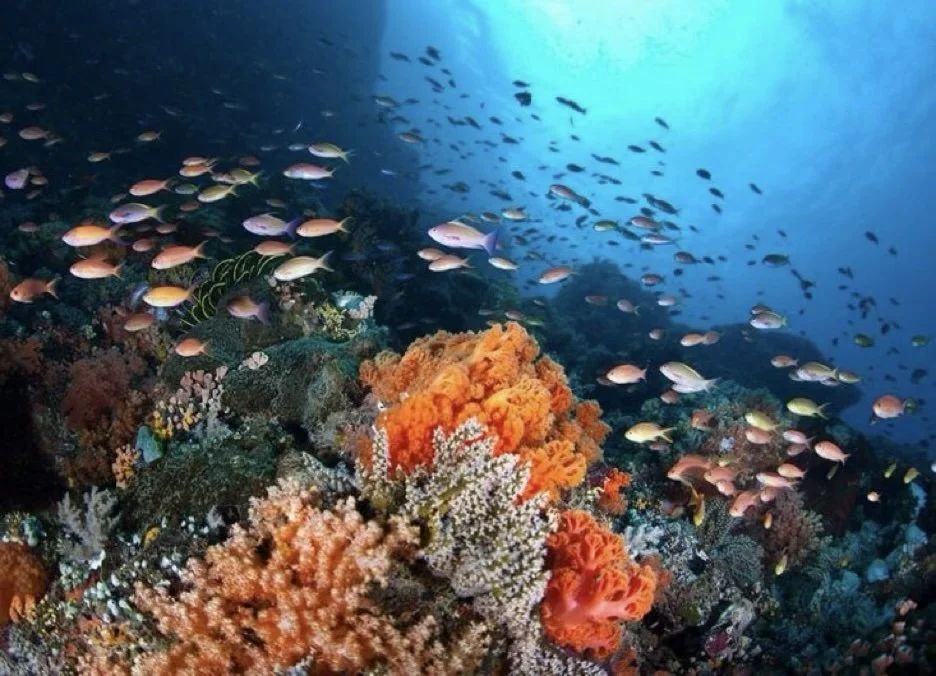
Puerto Galera is closed to Manilla and therefore easy for weekend trips
#6 — Puerto Galera
Easy access, concentrated pressure
Why it’s under pressure
Puerto Galera lies at the heart of the Verde Island Passage, often cited as the most biodiverse marine region on Earth. Its close proximity to Manila has made it one of the most frequently dived destinations in the Philippines — particularly for weekend trips.
This accessibility concentrates diving activity at a limited number of sites. Coastal development, boat traffic, and land-based runoff also influence nearshore reef health, especially around populated areas such as Sabang.
What divers notice today
Divers in Puerto Galera often notice sharp contrasts between sites. Near popular entry points, reefs may show patchy coral cover and signs of repeated use. On busy weekends, multiple groups can share the same site.
At the same time, strong currents bring nutrient-rich water that supports impressive fish life. Just a short boat ride can reveal healthier reefs and more dynamic underwater conditions.
When it can still be enjoyable
Puerto Galera rewards smart timing and site choice:
Weekday diving is significantly quieter than weekends
Early morning dives offer clearer water and fewer boats
Drift dives away from Sabang feel more relaxed
Offshore sites benefit from stronger currents and flushing
With good planning, diving here can be lively and rewarding.
Better alternatives nearby
For similar biodiversity with less crowding:
Verde Island itself (with experienced operators)
Anilao for macro-focused, quieter diving
Batangas sites during mid-week periods
These options often deliver calmer, more immersive dives.
Key takeaway
Puerto Galera shows how proximity amplifies pressure — even in areas of exceptional biodiversity. It remains a rewarding destination, particularly outside peak periods, but clearly illustrates why management and diver awareness matter.
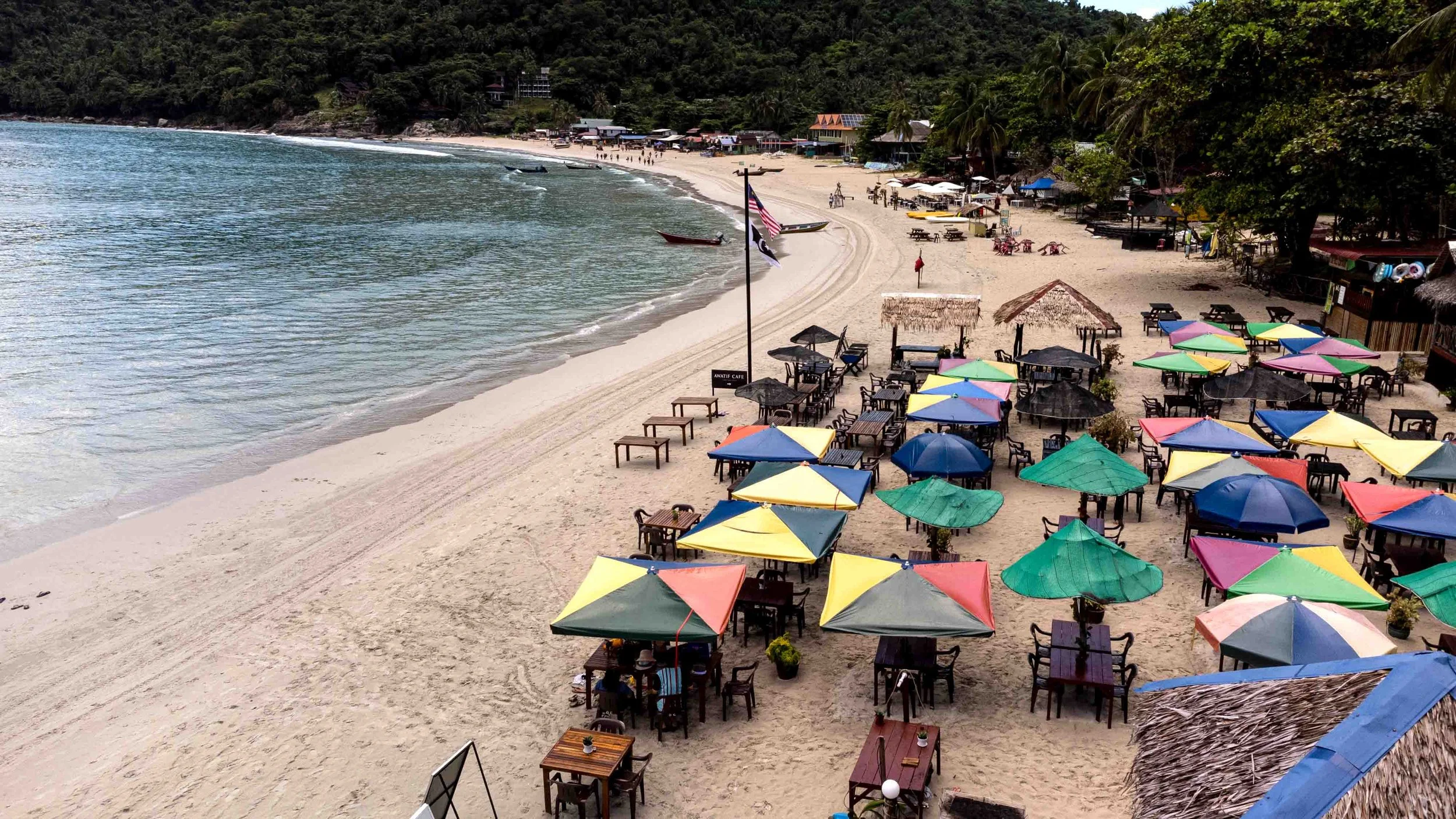
Long Beach at Perhentian Kecil suffers from a short season and lots of visitors
#7 — Perhentian Islands
Beginner-friendly reefs under seasonal strain
Why it’s under pressure
The Perhentian Islands are among Malaysia’s most popular island destinations for beginner divers and snorkelers. Calm seas, warm water, shallow coral gardens, and relatively simple logistics make them an ideal introduction to tropical diving — particularly during the dry season.
Pressure here is largely seasonal. When conditions are good, visitor numbers rise sharply over a short period of time. Snorkelers, divers, and boats often concentrate in the same sheltered bays, placing repeated daily stress on shallow coral reefs that have limited depth and little protection from contact.
Because the reefs are shallow and close to shore, even small impacts accumulate quickly.
Personal perspective
This is a destination that means a great deal to me personally. I’ve dived the Perhentian Islands many times over the years, returning to the same reefs and bays across different seasons. In that time, I’ve seen firsthand how overcrowding and over-tourism have taken a toll — particularly during peak months when pressure builds quickly. These reefs hold incredible value, not just as dive sites, but as living ecosystems, and it’s precisely because of my connection to them that I want to see them recover and be protected for everyone to enjoy in the future.
What divers notice today
Divers visiting the Perhentians often notice that conditions vary significantly from bay to bay. Popular areas can feel crowded, especially later in the morning, and some shallow reefs show signs of stress — including broken coral and reduced structural complexity.
At the same time, fish life often remains abundant, and reefs farther from main beaches or boat routes can feel noticeably healthier. Visibility is typically good, which can sometimes mask subtle reef damage unless you’re looking closely.
When it can still be enjoyable
The Perhentians remain very enjoyable with thoughtful timing and site choice. Early morning dives are quieter, with fewer snorkelers and calmer surface conditions. Sites located away from main beaches tend to experience less daily pressure and often show stronger coral condition.
Diving later in the season, just before monsoon closure, can also reduce crowding while still offering good conditions.
Better alternatives nearby
For similar conditions with less pressure, consider:
Lang Tengah, which offers comparable reefs with fewer visitors
Less-developed east coast islands during shoulder periods
Offshore sites accessed by operators willing to travel farther
These destinations often provide a slower, more relaxed diving experience.
Key takeaway
The Perhentian Islands show how quickly shallow reefs can feel the effects of seasonal popularity. They remain an excellent place to learn and enjoy tropical diving — but timing, site selection, and careful diving behavior make a meaningful difference.
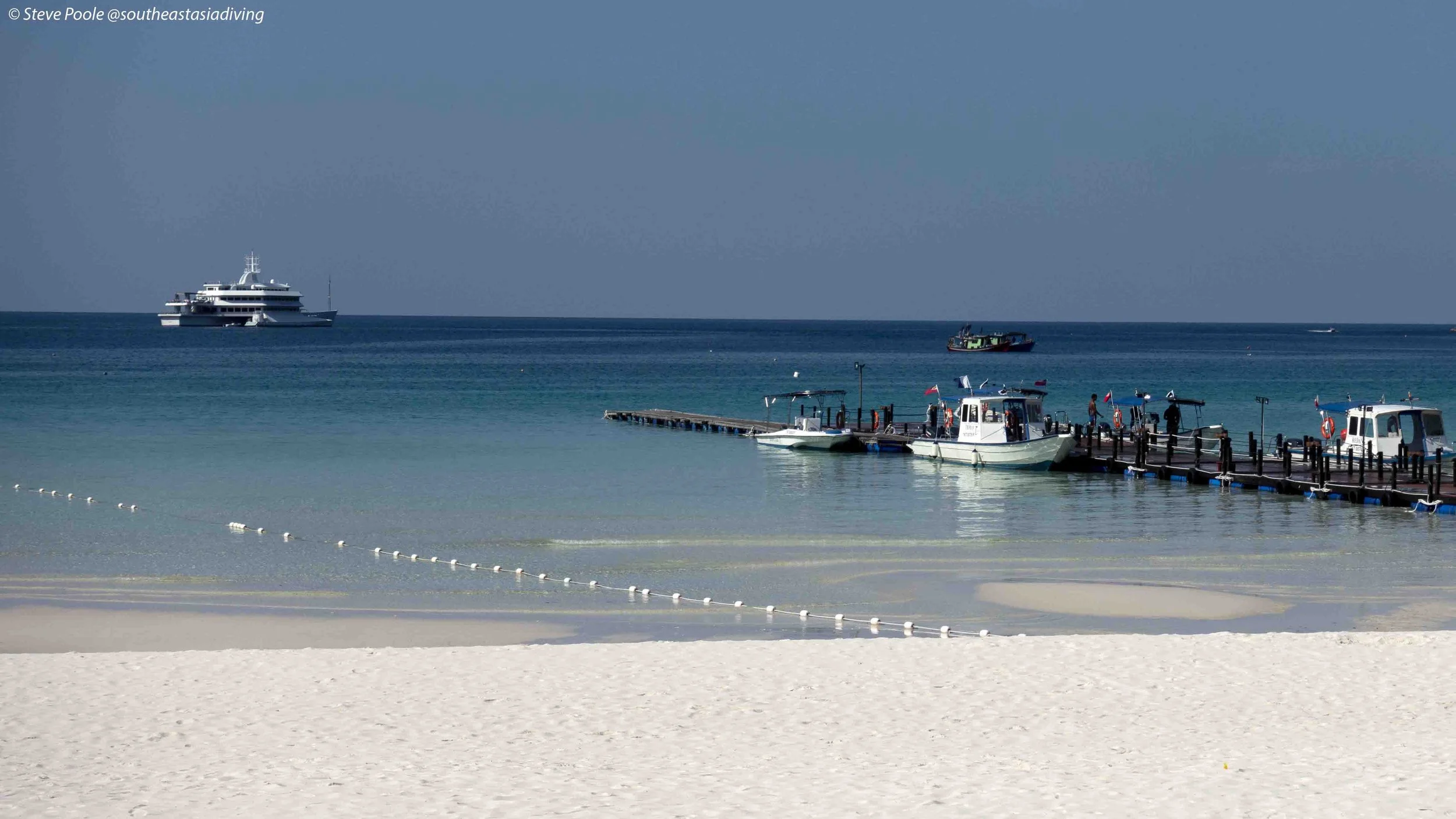
Redang Island in Malaysia is beautiful but dive sites are small and attract a lot of divers in the shallows and can become congested
#8 — Redang Island
Resort access and shallow reefs under watch
Why it’s under pressure
Redang Island is part of a designated marine park and is widely known for its clear water, white-sand beaches, and vibrant shallow reefs. Much of the island’s diving and snorkeling takes place directly in front of resorts, where calm conditions and easy access concentrate activity into relatively small reef areas.
Pressure here comes from repeated daily use of the same shallow sites. Snorkelers, introductory divers, and resort guests often share the same reef zones, limiting recovery time for coral that is already vulnerable due to depth and proximity to shore. While marine park status provides important protection, it doesn’t eliminate the impacts of constant use.
Personal perspective
Redang is another place that holds real personal meaning for me. I’ve spent a great deal of time diving here over the years and have seen how increased resort development and visitor numbers have changed certain reefs. Some sites that once felt quiet and expansive now feel far more compressed during peak periods. Because of that history, I care deeply about Redang’s future and would love to see its reefs given the space and protection they need to fully recover.
What divers notice today
Divers visiting Redang often notice striking contrasts between sites. Some bays still display beautiful coral and excellent visibility, while others show clear signs of wear — particularly in shallow areas close to resort beaches.
Snorkel traffic can be heavy later in the day, and reef condition often improves noticeably just a short distance offshore or at slightly deeper sites. Visibility can remain excellent even where coral stress is present, which sometimes makes impacts less obvious at first glance.
When it can still be enjoyable
Redang can still offer very rewarding diving with thoughtful planning. Early morning dives are typically calmer, before snorkel activity begins. Sites located farther from major resort beaches tend to feel less pressured and more relaxed.
Mid-week stays also help reduce crowding, and deeper reef slopes often show better coral condition than shallow house reefs that receive daily use.
Better alternatives nearby
For similar conditions with fewer visitors:
Lang Tengah offers comparable reef systems with lower traffic
Select offshore Redang sites accessed by experienced operators
East coast islands outside peak holiday periods
These options often provide calmer, more immersive dives.
Key takeaway
Redang Island shows that marine park status alone isn’t enough — how reefs are used matters just as much. With careful timing, responsible operators, and thoughtful diving practices, Redang can remain a beautiful destination while giving its reefs a chance to recover and thrive.
#9 — Gili Islands
Easy island diving, fragile reefs
Why it’s under pressure
The Gili Islands — Gili Trawangan, Gili Air, and Gili Meno — are famous for relaxed island life, clear water, and beginner-friendly diving. Shallow reefs, minimal currents, and frequent turtle encounters make them an appealing first dive destination for many travelers.
That same accessibility concentrates pressure. High daily numbers of divers and snorkelers visit the same shallow sites repeatedly, particularly where turtles are reliably found. Because these reefs are close to the surface and spread across relatively small areas, even low-impact activities accumulate over time.
Predictable wildlife encounters also increase pressure on turtles, especially at cleaning and resting sites where animals may be surrounded unintentionally.
What divers notice today
Divers in the Gili Islands often notice busy dive sites, particularly around Gili Trawangan and popular turtle locations. Shallow reefs near the main islands can show patchy coral cover, with signs of breakage or reduced structural complexity.
Conditions frequently improve farther from shore or at less-visited sites. Visibility is often excellent, which can mask subtle reef damage unless you look closely. Turtle encounters remain common, but can sometimes feel crowded during peak periods.
When it can still be enjoyable
The Gili Islands can still offer very pleasant diving with smart planning. Early morning dives are noticeably calmer, with fewer groups in the water and more relaxed wildlife encounters.
Sites farther from Gili Trawangan — particularly around Gili Meno or the quieter sides of Gili Air — tend to feel less pressured. Slower-paced dives focused on reef exploration rather than wildlife “checklists” are often the most rewarding.
Better alternatives nearby
For similar conditions with less pressure, consider:
North Lombok dive sites with fewer visitors
Sekotong in southwest Lombok, offering quieter reefs
Lesser-known Indonesian islands reached with a bit more travel
These destinations often reward divers with calmer conditions and healthier reef systems.
Key takeaway
The Gili Islands highlight how gentle conditions and easy access can accelerate reef stress. They remain a welcoming introduction to tropical diving — but they also show why extra care, patience, and awareness are essential when reefs are shallow and heavily visited.
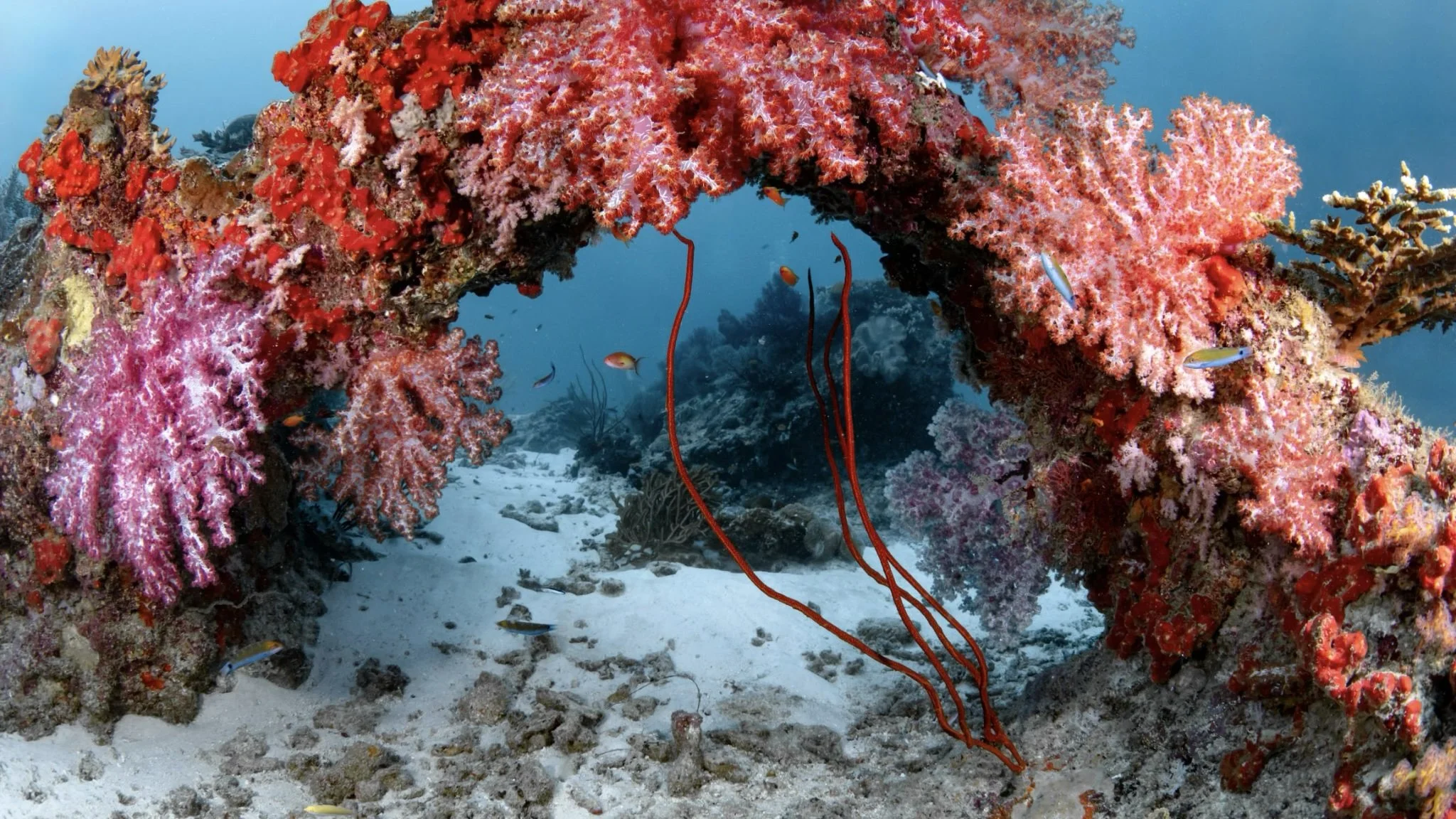
The Similan Islands are Beautiful but are showing signs of stress
#10 — Similan Islands National Park
Protected status, real-world limits
Why it’s under pressure
Short seasons and iconic sites concentrate visitors.
Why it’s under pressure
The Similan Islands are one of Thailand’s most famous dive destinations and sit within a designated national park. Dramatic granite formations, excellent visibility, and healthy offshore reefs have made the Similans a bucket-list destination for divers from around the world.
However, the park’s short open season concentrates a large volume of tourism into a limited window. Day boats and liveaboards often visit the same iconic sites repeatedly, leading to congestion at moorings and increased pressure on popular shallow reefs. While marine park status provides important safeguards, it cannot fully offset the effects of sustained high visitation.
Personal perspective
The Similan Islands are a place I’ve been lucky to visit many times, and one I feel a deep connection to. Returning over the years has given me a rare chance to see both how resilient these reefs can be — and how quickly pressure builds when popularity peaks. The Similans are still beautiful, still powerful, and still worth protecting. That long-term perspective is exactly why I believe careful management and responsible diving are essential if these islands are to remain special for generations to come.
What divers notice today
Divers visiting the Similans today often experience stunning visibility, impressive reef structure, and large-scale underwater scenery. At the same time, crowded moorings and busy surface conditions are increasingly common during peak season.
Shallow sites near island beaches or iconic pinnacles may show signs of wear, while deeper or less frequently visited sites often remain in excellent condition. The contrast highlights how usage patterns — not just protection status — shape reef health.
When it can still be enjoyable
The Similan Islands can still deliver exceptional diving with the right timing:
Early-season or late-season trips avoid peak congestion
Liveaboards often access quieter sites and better schedules
Early morning dives are calmer and less crowded
Deeper sites typically show stronger coral health
With thoughtful planning, the Similans can still feel expansive and awe-inspiring.
Better alternatives nearby
For similar Andaman Sea conditions with fewer visitors:
Surin Islands, offering seasonal but quieter diving
Liveaboard routes that include less-visited Andaman sites
Southern Andaman destinations outside peak months
These options often provide a more relaxed experience.
Key takeaway
The Similan Islands show both the value and the limits of marine protection. Marine parks matter — but they don’t guarantee pristine reefs on their own. Long-term health depends on visitor numbers, management, and diver behavior. When those align, places like the Similans can continue to inspire awe rather than absorb strain.
Practical ways to support sustainable diving in Southeast Asia
The challenges facing many popular Southeast Asia dive sites are not inevitable. They are shaped by where divers choose to go, when they travel, and how they engage with the ocean. While no single dive causes reef decline, the cumulative effect of thousands of similar choices over time has a real impact. Sustainable diving begins with awareness and continues through thoughtful decision-making.
One of the most effective ways divers can reduce pressure is by choosing alternative dive locations. Many of Southeast Asia’s healthiest reefs are found just beyond the most famous names. Exploring lesser-known sites helps spread tourism more evenly and reduces the constant strain placed on heavily visited reefs. These alternatives often provide calmer conditions, fewer crowds, and a more immersive underwater experience — benefits for both divers and ecosystems.
Supporting responsible dive operators is another powerful step. Some dive centres actively contribute to reef conservation through monitoring programs, restoration efforts, or direct funding for marine protection. Choosing operators that prioritise environmental education, limit group sizes, and follow marine park guidelines helps reinforce sustainable practices across the industry. Where you spend your money directly influences how reefs are treated.
Timing also plays a critical role in reducing environmental impact. Diving during shoulder seasons, visiting sites early in the day, or avoiding peak holiday periods can dramatically lower daily pressure on reefs. These small changes often lead to better dive experiences while giving stressed ecosystems more time to recover between visits.
Divers can also support reef health by engaging with conservation beyond the dive itself. Participating in local clean-ups, contributing to marine conservation organisations, or supporting marine park fees helps fund the protection that reefs depend on. Even sharing responsible diving values within the dive community encourages broader cultural change and long-term stewardship.
Finally, sustainable diving means respecting recovery as much as access. Temporary site closures, restricted areas, and reduced visitor numbers are signs of proactive management, not loss. Accepting these measures — and understanding why they exist — is essential to preserving reef ecosystems for future generations of divers and marine enthusiasts.
Why This Matters
Southeast Asia remains one of the most diverse and rewarding diving regions in the world, but its reefs rely on informed and responsible choices. Sustainable diving isn’t about perfection — it’s about intention. When divers choose thoughtfully, support conservation, and respect the limits of fragile ecosystems, they play an active role in protecting the underwater world they love.
Final Thoughts
Why awareness matters more than avoidance
The dive sites featured in this article are not failures — they are reminders. They show how quickly success can place pressure on fragile marine ecosystems, and how directly reef health responds to the way diving and tourism are managed.
Protection, infrastructure, and regulation all play an essential role, but they are only part of the picture. Daily decisions made by operators, travelers, and individual divers shape what happens underwater far more than many people realize. Where pressure is reduced, reefs often show remarkable resilience. Where it continues unchecked, decline becomes visible.
The future of diving in Southeast Asia is not about avoiding famous destinations altogether. It’s about visiting them with intention — choosing responsible operators, traveling at quieter times, supporting conservation efforts, and being open to alternatives when reefs need rest.
Many of these places remain deeply special. With thoughtful choices and shared responsibility, they can continue to inspire curiosity, respect, and wonder for future generations of divers and marine enthusiasts.
The reefs we love most deserve nothing less.
❓ Frequently Asked Questions (FAQ)
Are these dive sites still worth visiting?
Yes. Many of these destinations still offer enjoyable and meaningful dives, particularly when visited with realistic expectations and thoughtful planning. Understanding current conditions helps divers make better choices and appreciate sites for what they are today.
Should beginner divers avoid popular destinations?
No. Popular destinations often provide calm conditions, good visibility, and well-established dive infrastructure — all of which are ideal for learning. The key is to dive responsibly, choose operators carefully, and understand when and where pressure is highest.
Are divers the main cause of coral damage?
Divers are only one part of a much larger picture. Coastal development, pollution, climate change, boat traffic, and weak enforcement all contribute significantly. However, diver behavior plays a direct role at shallow, high-use sites, where repeated contact and crowding can accelerate reef stress.
Do marine parks guarantee healthy reefs?
No. Marine parks provide important protection, but they are not a guarantee of reef health. Visitor numbers, enforcement, site management, and daily behavior all influence how effective protection is in practice.
How can new divers reduce their impact quickly?
New divers can make the biggest difference by diving thoughtfully from the start. Choosing responsible operators, respecting wildlife, avoiding crowded peak times, supporting conservation initiatives, and staying aware of their surroundings all help reduce pressure on reefs — even early in a diver’s journey.