🕒 Surface Intervals Explained: Why They Matter More Than You Think

Southeast Asia has some of the most stunning surface interval locations in the world!
(A Practical, Diver-Friendly Guide for Southeast Asia)
When you think about scuba diving, you probably picture the magic: drifting over coral gardens in Komodo, hovering above a wall in Sipadan as turtles glide by, or kneeling in the sand in Mabul photographing a leaf scorpionfish that refuses to look your way. These underwater moments are the reason we dive — the weightlessness, the colours, the quiet, the wildlife.
But between every one of those amazing dives lies something just as important: the quiet time on the surface. The hour or two when the gear is off, the wetsuit is half-peeled down, and everyone is lounging on the deck sipping coffee, eating banana pancakes, swapping stories, or scrolling through the macro shots they hope are in focus.
On the surface, it feels like nothing much is happening — but everything is happening.
Your body is recovering, resetting, and preparing for the next descent. Surface intervals might seem like a break in the action, but physiologically, they are one of the most powerful safety tools you have as a diver. They influence how much nitrogen remains in your system, how long you can safely stay underwater on your next dive, and how your body will respond to repeated dives across a day or an entire diving holiday.
Most divers don’t think too much about this “in-between time,” especially in tropical destinations where the atmosphere is relaxed and the diving feels easy. But understanding surface intervals — and treating them with the same respect as your time underwater — is one of the simplest ways to make your dives longer, safer, and far more enjoyable.
Here’s everything divers, especially those exploring the warm, current-rich waters of Southeast Asia, should know about this often overlooked but essential part of the dive day.
What Exactly Is a Surface Interval?
A surface interval is simply the time you spend above water between two dives — but don’t let the simplicity fool you. This window of time is a critical part of safe dive planning.
Your surface interval begins the moment your head breaks the surface at the end of Dive 1 and ends the instant you start your descent for Dive 2. Everything that happens in that span — whether it's 60 minutes on a Komodo liveaboard or a leisurely two-hour rest on the beach between Tulamben shore dives — directly affects how much nitrogen is still dissolved in your body when you start your next dive.
Even the most relaxed, shallow, warm-water dives contribute to nitrogen loading.
It doesn’t matter if your first dive was:
10 minutes at 12 metres, drifting along a reef looking for clownfish, or
45 minutes at 28 metres, exploring a wall or swimming through a wreck
Both dives introduce nitrogen into your bloodstream and tissues. The deeper and longer the dive, the more nitrogen is absorbed — but every dive adds some.
A surface interval is your chance to let your body off-gas, slowly releasing that absorbed nitrogen back into the bloodstream and out through your lungs as you breathe on the surface. It’s a natural process; your body knows what to do. What it needs is time — time to clear enough nitrogen so your next dive starts from a safer baseline.
Think of it this way: every dive creates a nitrogen “balance sheet,” and your surface interval is your chance to get the numbers back down before you add more. The more effectively you off-gas, the more comfortable and safer your subsequent dives will be — and the longer your no-decompression limits (NDLs) will last.
In short, the surface interval isn’t a break from diving. It’s an essential part of diving.
Why Surface Intervals Matter So Much
Surface intervals aren’t just “break time.” They’re a crucial part of how your body processes a dive and prepares for the next one. Understanding what happens during this period — and why it matters — can make you a safer, more confident diver who gets more from every underwater minute.
1. Nitrogen Off-Gassing
When you breathe compressed air at depth, nitrogen dissolves into your bloodstream and tissues. The deeper you dive and the longer you stay underwater, the more nitrogen your body absorbs. This is both normal and expected — it’s how diving works.
Once you’re back on the surface, your body starts the slow process of off-gassing. With each breath you take, nitrogen diffuses back into your lungs and is released harmlessly into the atmosphere. It’s a gradual, natural process that your dive computer is constantly tracking.
But here’s the key: your body can’t off-gas underwater.
If you skip your surface interval, cut it too short, or rush into your next dive, your nitrogen levels remain elevated — and that increases your risk.
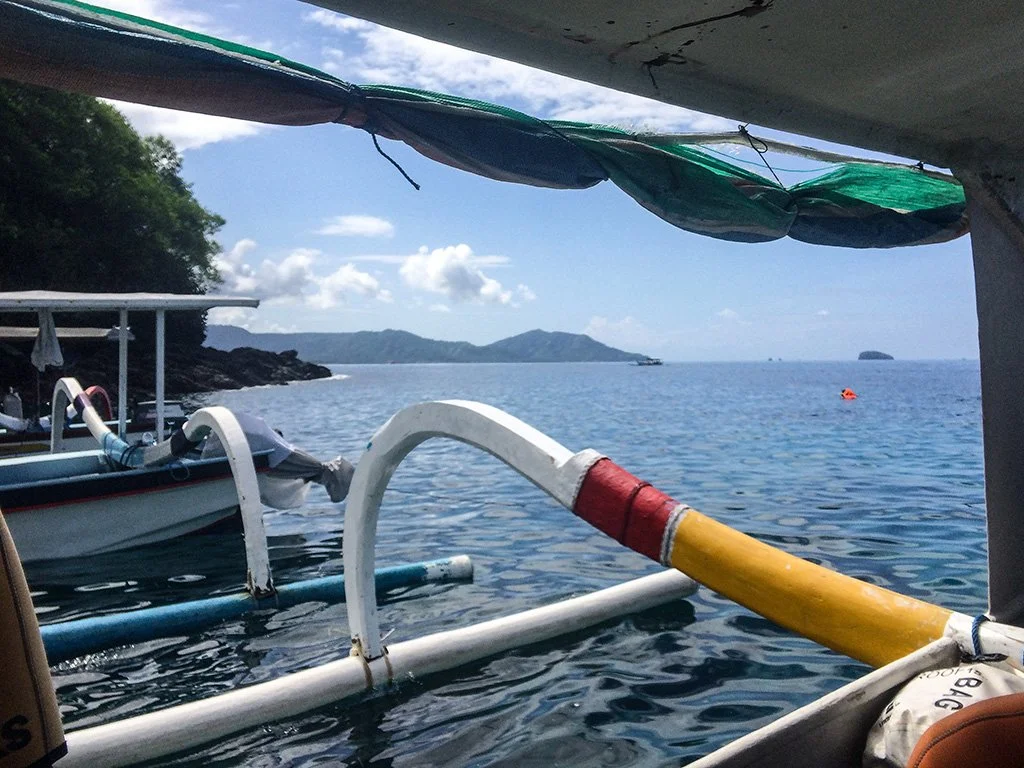
A proper surface interval gives your body the time it needs to reduce that load so you’re starting the next dive with a cleaner slate.
2. Longer NDLs on Your Next Dive
Residual nitrogen doesn’t just affect safety — it affects how long you can stay underwater.
When you begin a dive with nitrogen still in your system, your no-decompression limit (NDL) becomes shorter. Divers often notice this during second or third dives of the day:
After a 45-minute surface interval, a dive to 20–22 metres can feel tight, with your NDL dropping quickly, especially if your first dive was deep.
After a 90-minute interval, those same depths suddenly feel more relaxed, with a noticeable increase in available bottom time.
This difference is especially clear in Southeast Asia, where the common dive pattern is:
Deep first dive → shallower second dive → macro third dive
Longer surface intervals help maximise your time underwater and reduce the need to ascend early due to approaching NDLs — which is a huge benefit for photographers, videographers, and anyone who loves staying down to enjoy every moment.
3. Reduced Risk of Decompression Sickness (DCS)
Decompression sickness isn’t caused by a single mistake — it’s usually the result of several small decisions stacked together, and surface intervals often play a large role.
In warm-water dive destinations like Indonesia, Malaysia, the Philippines, and Thailand, divers often feel “great” after a dive: warm, relaxed, well-fed, and comfortable. That relaxed feeling can make it easy to underestimate residual nitrogen levels.
But feeling good doesn’t mean your body has finished off-gassing.
After every dive, tiny microbubbles may still be circulating in your bloodstream. A proper surface interval allows them to:
shrink
dissolve
be eliminated safely
Cut that interval short, and you carry those microbubbles into your next dive, increasing the risk of them expanding and causing problems.
A good rule of thumb:
If you wouldn’t rush a safety stop, don’t rush your surface interval either.
4. Rest, Reset & Prep Time
Great divers don’t just use surface intervals for safety — they use them to become more effective, aware, and ready for the next dive.
Hydrate
Even mild dehydration can influence nitrogen off-gassing. Water and electrolytes keep circulation steady.
Eat something light
Fruit, biscuits, banana pancakes, or Indonesian snacks give you energy without feeling heavy.
Fix buoyancy issues
Adjust weights, review trim, or tweak tank position — small changes can transform the next dive.
Prep your camera gear
Rinse housings, swap lenses, realign strobes, check O-rings — photography is smoother when you’re not rushed.
Review the previous dive
Think about your air consumption, buoyancy, positioning, and wildlife encounters. Reflection improves skill.
Get mentally ready
Whether you’re about to tackle a drift dive in Nusa Penida or explore a wall in Sipadan, a calm mind sets you up for a safer descent.
Because ultimately, a sharper diver is always a safer diver — and your surface interval gives you the time to reset, refocus, and return underwater with confidence.
How Long Should a Surface Interval Be?
Unlike safety stops or ascent rates, there isn’t one universal rule for surface intervals. The “right” amount of time depends on your previous dive, your body, and the conditions you’re diving in. But while there’s no single magic number, there are widely accepted best practices that work exceptionally well for warm-water diving in Southeast Asia.
These guidelines come from decades of real-world experience — and from what reputable dive operators use across Indonesia, Malaysia, the Philippines, and Thailand.
General Surface Interval Guidelines
🌊 Minimum: 60 minutes
A full hour is considered the baseline for most dives, especially if your first dive went deeper than 18 metres. Anything shorter typically leaves too much residual nitrogen in the system.
🌞 Ideal: 90 minutes

Raja Ampat is a fantastic place to explore during a surface interval
Around 1.5 hours is a sweet spot for tropical diving. It allows for comfortable off-gassing, gear resets, snacks, and proper planning — and you’ll often notice a clear difference in your NDL on the second dive.
🧭 After Deep or Strenuous Dives: 2 hours
If your first dive involved:
depths of 25–30 metres,
strong currents,
a lot of swimming, or
a high percentage of your NDL
…aim for an interval of two hours or more. Your body needs extra recovery time, even if you feel fine.
📅 Three or More Dives per Day: Increase Rest or Shorten Dive Times
On multi-dive days — common on liveaboards or places like Sipadan and Raja Ampat — nitrogen accumulates steadily across dives. You can manage this by increasing surface intervals or reducing depth/time on later dives.
Most responsible operators already build these intervals into their schedules — usually without divers even noticing. There’s a reason the best boats don’t rush you back into the water.
Factors That Influence What’s “Enough”
Two divers can do the exact same dive but require different surface intervals. Off-gassing isn’t one-size-fits-all. These variables can affect how quickly your body clears nitrogen:
🔵 1. Depth of the First Dive
The deeper you go, the faster nitrogen saturates. A 30 m dive carries far more load than a shallow macro dive, even with the same bottom time.
🟡 2. Amount of NDL Consumed
If you finished Dive 1 with only a few minutes of NDL remaining, your nitrogen load is significantly higher — and you’ll need a longer interval to compensate.
🌡️ 3. Water Temperature
Warm tropical water reduces stress on the body and slows nitrogen uptake slightly — but it does not eliminate it. You may feel great, but your tissues still carry nitrogen.
🌊 4. Currents, Exertion & Workload
Swimming hard, finning through current, or working against surge increases circulation and microbubble formation. More exertion = more nitrogen load.
This is why drift-diving destinations like Komodo, Nusa Penida, and Moalboal often schedule longer intervals.
💧 5. Hydration Level
Dehydration makes off-gassing less efficient and increases DCS risk. Hydration is one of the simplest ways to support nitrogen elimination.
📅 6. Days of Repetitive Diving
On multi-day dive trips or liveaboards, nitrogen accumulates across the whole week. Your first day may require less rest; by day four, longer surface intervals become more important.
🧬 7. Age, Fitness, and Personal Susceptibility
No two divers are the same. Age, fitness, circulation, weight changes, sleep, or simply personal physiology all affect nitrogen processing. Some divers off-gas quickly; others need longer.
Diving is personal — surface intervals can (and should) reflect that.
Listening to your body, respecting your computer, and giving yourself time on the surface are all signs of a thoughtful, experienced diver.
What Not To Do During Your Surface Interval

Even in tropical locations it can rain during a surface interval, such as here in Sipadan, Malaysia
Your body off-gasses most effectively when conditions are calm, circulation is steady, and you’re not adding new stressors. While surface intervals often feel relaxed and social, there are certain activities that can interfere with nitrogen elimination or increase the risk of complications during repetitive diving.
Here’s what to avoid — and why it matters.
❌ Don’t Freedive or Snorkel Deep
Even shallow duck-dives to 3–5 metres temporarily increase pressure on the body. This additional pressure pushes nitrogen back into your tissues when your body should be doing the opposite: releasing it.
Snorkelling on the surface is fine — but stay horizontal and resist the temptation to drop down to get a closer look at a turtle or reef shark.
Save the next descent for your actual dive.
❌ Avoid Hot Tubs, Saunas, and Very Hot Showers
Heat causes vasodilation — the widening of blood vessels. This sudden change can disturb the stable off-gassing process and affect how microbubbles behave in the bloodstream.
While hot tubs aren’t common in Southeast Asia, many resorts offer hot showers between shore dives. Keep the temperature warm, not steaming, especially right after a deeper dive.
❌ Avoid Heavy Lifting or Physical Exertion
Anything that significantly raises heart rate or changes circulation patterns can interfere with efficient off-gassing.
Examples include:
moving dive tanks
hauling gear boxes
climbing steep ladders repeatedly
carrying heavy camera rigs up stairs
Let the crew help whenever possible — that’s what they’re there for — and always gear up slowly and mindfully.
❌ Don’t Drink Alcohol Between Dives
Even a small beer or cocktail can make a difference. Alcohol contributes to dehydration, which is directly linked to increased DCS risk. It can also impair judgment and increase fatigue, making your next dive less safe and less enjoyable.
Treat the surface interval as “no alcohol time.”
Save the sundowners for the end of the dive day — one of the best parts of being in Southeast Asia anyway.
❌ Don’t Lie Flat, Motionless, and Baking in the Sun
Warm sun feels amazing after a dive, but lying in full heat without shade or hydration can cause:
lowered blood pressure
mild heat stress
dehydration
headaches
All of these make off-gassing less efficient.
If you want to sunbathe, do it briefly and consciously — but the best place to relax during a surface interval is somewhere shaded, cool, and hydrated.
❌ Don’t Ascend to Altitude
In most tropical destinations this isn’t an issue, but in Bali, Lombok, or North Sulawesi, dive sites are close to mountainous roads. Driving inland immediately after a dive can expose your body to lower pressure too soon.
If you’re shore diving in Tulamben and planning to drive over the mountain back to Ubud, for example, space out your dives and travel or take the low coastal route.
Overall, anything that adds stress, depth, heat, or dehydration during your surface interval can compromise your body’s natural ability to off-gas. Keeping things easy, cool, and low-effort is the best way to support a safe next dive.
What You Should Do During a Surface Interval
Surface intervals aren’t just a safety requirement — they’re genuinely one of the most enjoyable parts of a dive day, especially in Southeast Asia, where calm seas, warm breezes, and beautiful scenery create the perfect atmosphere for rest and recovery.
Used well, this time helps you dive longer, safer, and with far more awareness. Here’s how to make the most of it.
✔️ Hydrate (Water + Electrolytes)
Hydration is one of the simplest and most effective ways to support nitrogen off-gassing. Proper fluid levels keep your circulation steady, which helps move dissolved nitrogen out of your tissues and back into your bloodstream so it can be eliminated through breathing.
On boats across Indonesia, the Philippines, and Malaysia, you’ll usually find:
big jugs of cold drinking water
electrolyte sachets
fresh fruit
hot tea or coffee
Sip regularly rather than chugging all at once — consistent hydration is what makes the difference.
✔️ Prep Your Gear
Surface intervals are a gift for gear organisation, especially for photographers and videographers who need time to reset between dives.
Use this time to:
clean and defog your mask
inspect O-rings for sand, hair, or debris
adjust strobe arms and buoyancy floats
change or clean macro/wide-angle conversion lenses
repack your camera tray
check housings for possible flood points
tidy loose straps, clips, and hoses
Unrushed camera prep reduces mistakes, prevents floods, and means you descend ready instead of fiddling underwater.
✔️ Eat Something Small
Your body burns energy underwater, even when you’re moving slowly. Light snacks help stabilize your blood sugar and keep you warm and clear-headed.
Perfect surface interval snacks in Southeast Asia include:
cut mango or pineapple
biscuits
banana pancakes
fried bananas (gorengan)
nasi goreng leftovers
crackers or nuts
Avoid heavy meals — save the big plates of mie goreng or curry for after the second dive.
✔️ Relax in the Shade
Lowering your heart rate is one of the best things you can do for off-gassing efficiency. Shade also helps prevent dehydration and heat stress, which can interfere with nitrogen elimination.
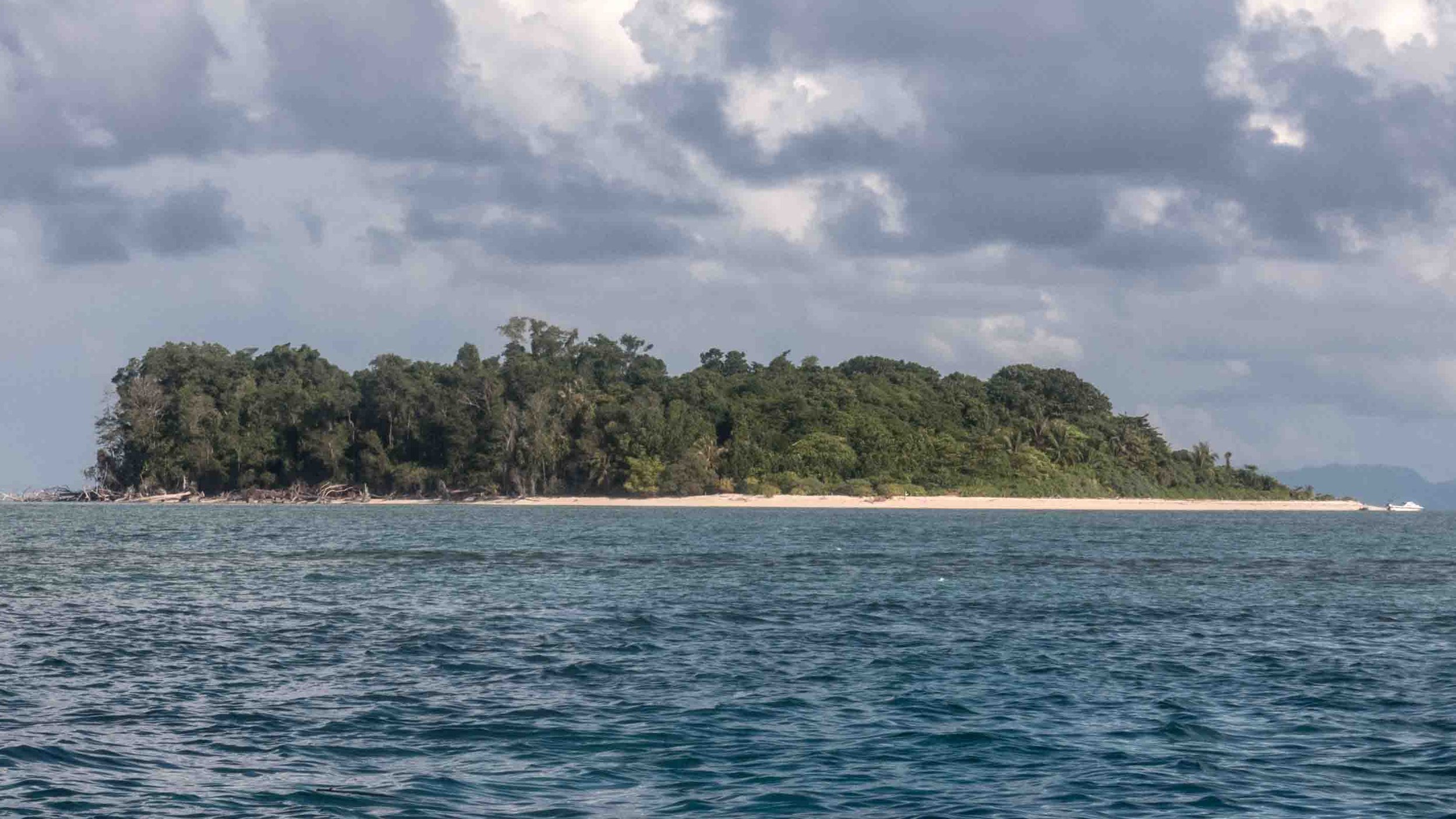
Sipadan is a great place to explore during a surface interval
Good spots include:
under the boat canopy
on a shaded sundeck mattress
indoors on a liveaboard
in the shadow of rocky headlands during shore intervals
Let the ocean breeze do its thing.
✔️ Log Key Info While It’s Fresh
Logging doesn’t need to be a long ritual — even a few quick notes make a big difference if you want to improve as a diver.
Record:
depth and bottom time
starting/ending air
NDL on surfacing
current direction and strength
standout marine life
any buoyancy or trim issues
camera settings that worked (or didn’t)
These details help you recognise patterns, refine your diving, and prepare more effectively for your next descent.
✔️ Talk to Your Guide
Your dive guide is an incredible source of knowledge, especially in biodiverse regions like Raja Ampat, Lembeh, and Mabul.
During your surface interval, ask about:
expected currents on the next site
depth profile and where the sweet spots are
potential wildlife encounters
seasonal behaviour (mating octopuses, cleaning stations, shark sightings)
macro subjects to look for (wonderpus, harlequin shrimp, frogfish, flamboyant cuttlefish)
A short conversation can completely change the quality of your next dive.
A well-spent surface interval sets you up for success. By giving your body, your gear, and your mind the time they need, you enter the water calmer, more prepared, and far more likely to have a relaxed, enjoyable dive.
Real Examples: Surface Intervals in Southeast Asia
Every region in Southeast Asia has its own rhythm — its own dive profiles, currents, depths, and wildlife. Because of this, surface intervals can look very different from destination to destination. Here’s how they play out in some of the region’s most iconic dive areas.
🇮🇩 Komodo & Raja Ampat (Indonesia)
Deep reefs, strong currents, and high biodiversity
Komodo and Raja Ampat are famous for a reason: they’re thrilling, high-energy destinations with complex currents and dramatic topography. Morning dives often reach 20–30 metres, and divers spend a lot of time swimming, managing buoyancy, and navigating dynamic water movement.
Because of this, operators in both regions typically schedule longer surface intervals — often 2 to 3 hours, especially after deeper or current-heavy dives.
A typical pattern looks like:
Deep drift or pinnacle dive early morning
Long, lazy surface interval with coffee, fresh fruit, and scenic cruising
Shallower reef or macro dive late morning or early afternoon
These extended breaks aren’t an inconvenience — they’re a thoughtful part of safe dive planning. They reflect exactly what these environments demand: time to off-gas, hydrate, reset, and prepare for the next energetic dive.
🇲🇾 Sipadan, Mabul & Kapalai (Sabah, Malaysia)
Walls, turtles, schooling fish, and world-class muck diving
Diving around Sipadan is often structured around multiple dives at varying depths:
Sipadan’s walls can drop to 600+ metres
Mabul offers shallow reefs and artificial structures
Kapalai is a macro photographer’s dream
Because the first dive at Sipadan can be deep or involve mild currents along the wall, operators usually plan 1.5–2 hour intervals before the next dive. This gives divers time to off-gas from the depth and recharge after exciting wall drifts filled with turtles, sharks, and schooling barracuda.
On the platform at Kapalai or sandy shallows of Mabul, these intervals often involve:
reviewing photos of nudibranchs, frogfish, and leaf scorpionfish
light snacks and tea
gear checks for the next macro hunt
It’s a calm, deliberate rhythm — and it keeps multi-dive days safe and enjoyable.
🇮🇩 Bali (Tulamben, Amed & Nusa Penida)
Shore diving convenience + the intensity of the open ocean
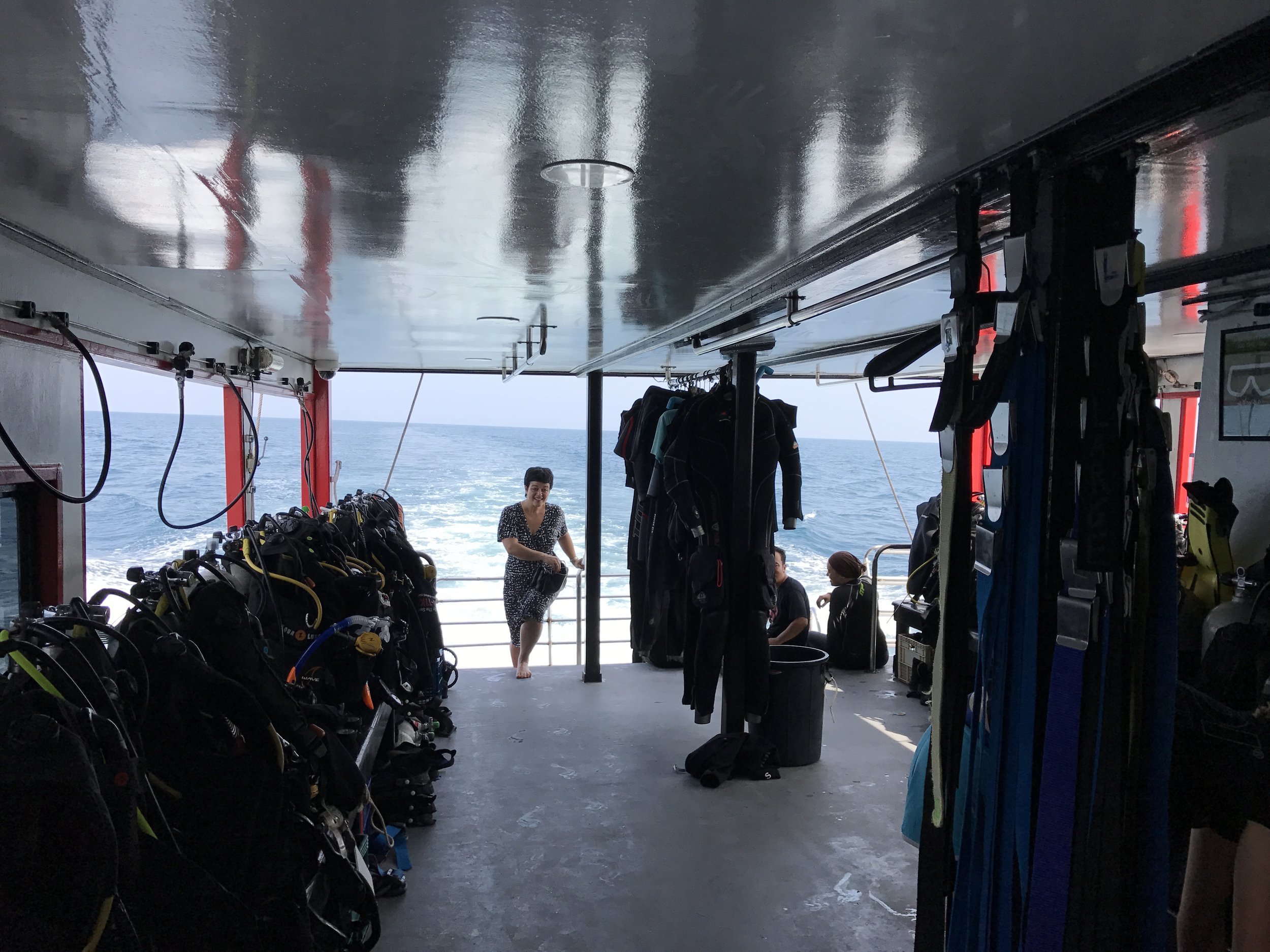
Surface intervals on liveaboards can be a great time to check your gear
Tulamben & Amed (Northeast Bali)
Shore diving in Tulamben is relaxed, spacious, and self-paced. You often see divers resting in beachfront warungs, sipping sweet Balinese coffee, reviewing photos from the Liberty Wreck, or eating nasi campur before their next dive.
Surface intervals here naturally become longer — often 1 to 2 hours — simply because the setting encourages slower transitions and gentle resets.
Nusa Penida (South Bali)
Just across the water, Nusa Penida is a different world:
deeper initial dives
strong surge
cold thermoclines
the chance of mantas or mola mola
Because of these conditions, operators strictly enforce 1–2 hour intervals, especially after dives around Crystal Bay or the southern coastline. Divers need time to warm up, rehydrate, and decompress after demanding conditions.
🇵🇭 Philippines (Anilao, Moalboal, Dauin)
Macro, walls, sardines, and accessible day-trip diving
Anilao (macro capital)
Lower depths mean nitrogen load is gentler, but photographers stay down a long time. Surface intervals are usually 1–1.5 hours, filled with:
battery swaps
lens changes
critter discussions
camera maintenance
Moalboal
The sardine run is shallow, but nearby walls require thoughtful planning. Operators blend shallow and deep profiles with steady 1-hour intervals.
Dauin
Mostly shallow muck diving, but long bottom times and repetitive dives mean regular 1.5–2 hour intervals are common on full-day trips.
🇹🇭 Thailand (Koh Tao, Similan Islands, Phi Phi)
Beginner-friendly plus big-animal sites
Thailand often follows structured, training-based intervals:
Koh Tao: multiple shallow training dives with carefully calculated intervals
Similans: deeper granite sites with drifts → longer SI between morning dives
Phi Phi: predictable patterns with 60–90 minutes between dives
Operators here are well-versed in managing nitrogen exposure for newer divers.
The Takeaway
Surface intervals across Southeast Asia aren’t arbitrary — they’re shaped by depth, currents, water temperature, wildlife encounters, and the style of diving each destination demands.
The best operators design their dive days around safety, comfort, and the natural rhythm of the region.
Your job as a diver is simple: enjoy the rest, lean into the atmosphere, hydrate well, and let your body do its job before you slip beneath the surface again.
Final Thoughts
Surface intervals are the quiet heartbeat of a dive day — the calm between two worlds. They’re easy to overlook, especially when you’re surrounded by turquoise water, manta rays on the horizon, or a camera full of macro magic. But the time you spend on the surface is every bit as important as the time you spend underwater.
A good surface interval isn’t just a safety rule. It’s what allows you to:
dive longer
dive safer
dive more comfortably
and enjoy every moment with a clearer, more relaxed mind
Whether you're drifting over Komodo’s reefs, exploring Bali’s wrecks, hovering above the walls of Sipadan, or hunting for tiny critters in the muck of Dauin, giving your body the time it needs to off-gas is one of the simplest ways to protect your health and enhance your experience.
The best divers aren’t the ones who push their limits — they’re the ones who understand their limits, respect their bodies, and take the moments between dives seriously.
So next time you’re on a boat in Southeast Asia, sipping coffee in the breeze, eating banana pancakes, reviewing photos, or chatting with your guide about what you might see next… remember:
you’re not waiting to dive — you’re preparing to dive well.
Take your time.
Let your body reset.
And enjoy the surface as much as the sea below it.
FAQ: Surface Intervals
How short is too short for a surface interval?
Anything under 45 minutes is generally too short for most dives, unless your first dive was extremely shallow (less than 10–12 metres). For typical recreational depths, aim for 60–90 minutes as a safe starting point.
Why do some boats only give 45–60 minutes between dives?
This often comes down to tight schedules, short travel distances, or catering to large groups. While it isn’t inherently unsafe, it does mean your nitrogen load will remain higher — especially after deep dives. If you feel rushed, there’s nothing wrong with asking for a few extra minutes before gearing up.
Can I snorkel during my surface interval?
Yes — but stay shallow.
Floating on the surface is fine, but avoid duck-diving or diving below a metre or two. Even a quick 3–5 m drop increases pressure enough to slow off-gassing or add new nitrogen.
Does hydration really affect nitrogen off-gassing?
Indirectly, yes. Hydration improves blood flow, which supports the body’s ability to transport and eliminate dissolved nitrogen. Even mild dehydration can make off-gassing less efficient. Water + electrolytes is ideal in warm tropical climates.
Do dive computers track surface intervals automatically?
Absolutely. Most computers start counting your surface interval as soon as you ascend above 1.2–1.5 metres. They then adjust your NDLs accordingly for the next dive. Each brand uses its own algorithm, but the principle is the same:
more time on the surface = less residual nitrogen.
Are longer surface intervals always safer?
Yes — within reason. A longer interval gives your body more time to off-gas, reduces microbubble formation, and extends your NDL for subsequent dives. You can’t “over-rest,” but you can certainly rest too little.
What about cold water vs warm water?
Cold water tends to increase nitrogen uptake because your body works harder to stay warm, and circulation patterns shift.
In warm Southeast Asian water, nitrogen uptake is slightly lower — but still significant enough that proper intervals remain essential.
Do safety stops affect surface intervals?
Safety stops help slow your ascent and allow some controlled off-gassing at depth, but they do not replace surface intervals. Think of them as two different layers of the same safety system.
How do surface intervals work if I’m diving nitrox?
Nitrox reduces nitrogen load during the dive, which helps extend your NDL — but you still need a proper surface interval afterward. Off-gassing still happens on the surface, and rushing a second nitrox dive can still increase risk if the interval is too short.
Are surface intervals different on liveaboards?
Yes.
Liveaboards often schedule:
longer intervals between the deeper morning dives
shorter but still safe intervals for shallower afternoon or night dives
They also build natural breaks between meals, briefings, and site travel, all of which help maintain safe rhythms throughout the day.
Should older divers take longer surface intervals?
It’s often recommended. Age can affect circulation, hydration, and nitrogen processing. Longer intervals provide an additional buffer and support safer repetitive diving.