🌊 Raja Ampat Liveaboard vs Resort: Which Is Better for Divers?
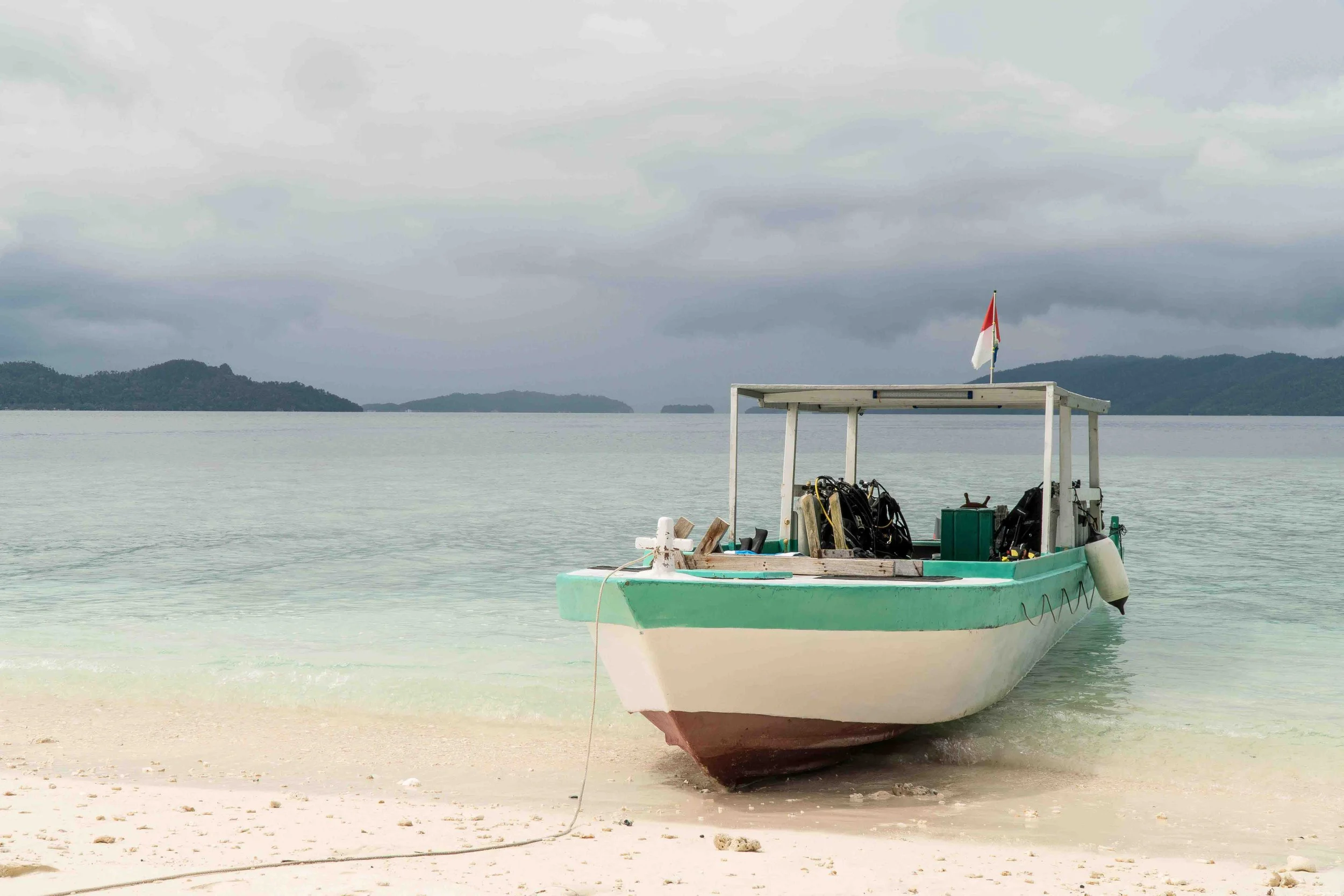
Two Ways to Experience Raja Ampat
Few places on Earth offer diving as extraordinary as Raja Ampat. With its vast coral reefs, dramatic island landscapes, and the highest marine biodiversity on the planet, the region has become one of the world’s most sought-after scuba diving destinations.
But planning a trip here involves an important decision: should you dive Raja Ampat from a liveaboard or a land-based resort?
Most divers experience the region in one of two ways:
Liveaboard expeditions, where you live on a dive vessel and travel between remote reefs across the archipelago
Land-based dive resorts, where you stay on an island and explore nearby dive sites by boat
Both options offer access to spectacular reefs, manta rays, and thriving coral ecosystems — but they deliver very different styles of diving experiences.
| Factor | Liveaboard | Dive Resort |
|---|---|---|
| Dive Site Access | Explore multiple regions of Raja Ampat, including remote reefs and seamounts. | Focus on reefs within day-boat range of the resort. |
| Number of Dives | Typically 3–4 dives per day, often 18–25 dives per trip. | Usually 2–3 dives per day with optional night dives. |
| Trip Style | Expedition-style travel moving between islands and dive sites. | Relaxed island stay with diving from a fixed location. |
| Marine Life Encounters | Higher chance of pelagic encounters such as manta rays and large schools of fish. | Excellent reef biodiversity and strong macro photography opportunities. |
| Photography Setup | Shared camera tables and limited charging space. | Dedicated camera rooms and stable charging areas. |
| Comfort | Comfortable cabins but limited personal space. | More spacious accommodation and resort amenities. |
| Cost | Typically $3,500–$6,000+ per week. | Typically $2,000–$4,000+ per week depending on resort level. |
| Best For | Divers who want to explore as much of Raja Ampat as possible. | Divers who prefer a relaxed pace and longer stays. |
This guide compares Raja Ampat liveaboards vs resorts, breaking down the key differences in dive site access, marine life encounters, photography opportunities, comfort, and overall cost. By the end, you’ll have a clearer idea of which option is the best way to dive Raja Ampat for your trip.
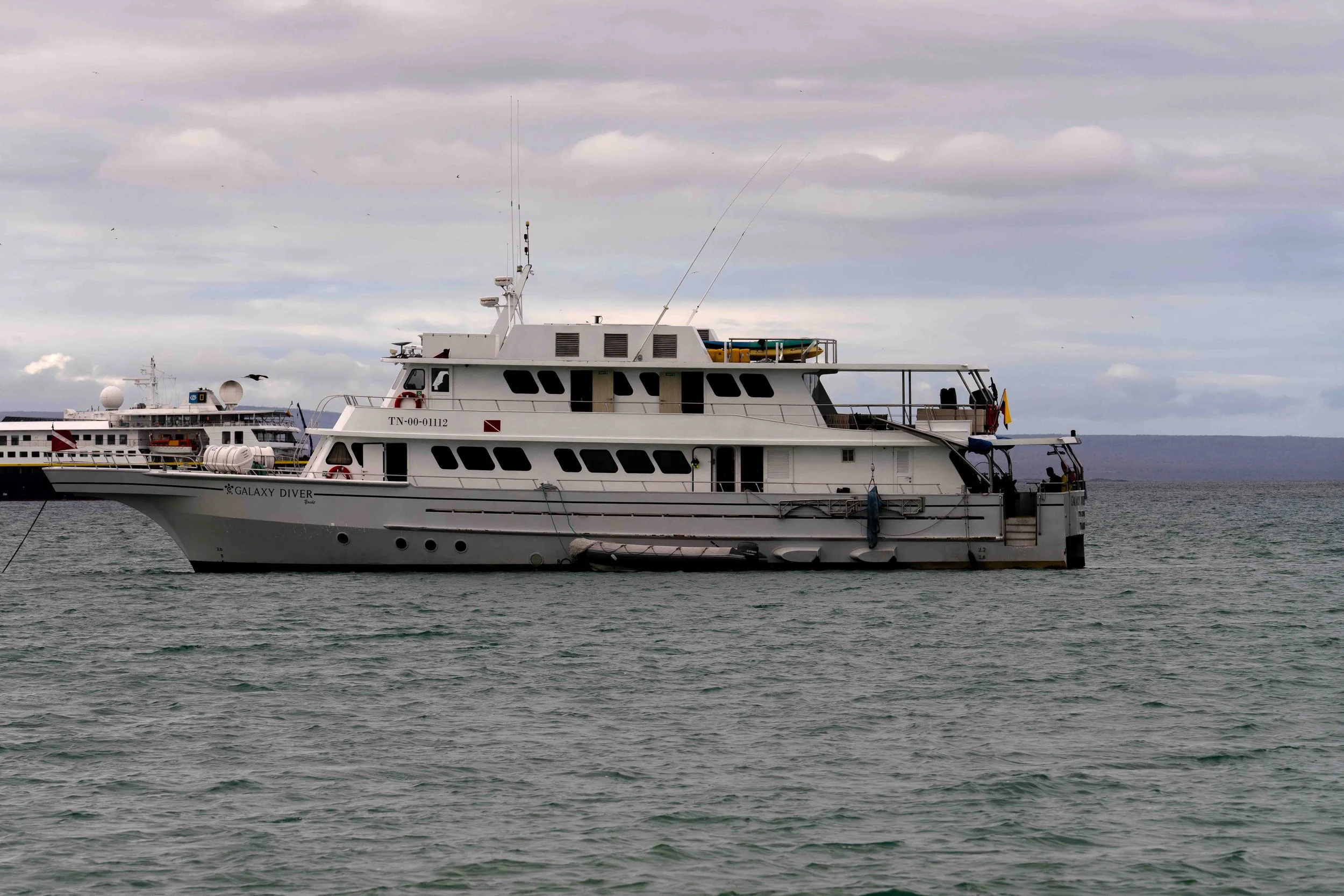
🛥️ What Is a Raja Ampat Liveaboard?
A Raja Ampat liveaboard is a multi-day diving expedition aboard a dedicated dive vessel. Instead of staying in one location, divers live on the boat while it travels between islands and remote reef systems across the archipelago.
This style of trip allows divers to explore areas that would otherwise be difficult or impossible to reach from land-based resorts.
Most liveaboard trips last 7–10 days, typically departing from the town of Sorong — the main gateway to Raja Ampat. From there, vessels travel through different regions of the archipelago depending on the itinerary and season.
Common liveaboard routes explore some of the most famous dive regions in Raja Ampat, including:
Dampier Strait — known for manta rays, large schools of fish, and thriving coral reefs
Misool — famous for dramatic limestone islands and pristine soft coral reefs
Wayag — remote seamounts and iconic island scenery
Central Raja Ampat reefs and island systems
Find Raja Ampat Liveaboards & Dive Resorts
Planning a trip to Raja Ampat? You can browse available liveaboards and dive resorts using the search tool below. It allows you to compare itineraries, prices, availability, and dive operators across the region.
Disclosure: This booking tool contains affiliate links. If you book through it, we may earn a small commission at no additional cost to you. This helps support our diving guides and travel resources.
Because the boat moves throughout the trip, liveaboards can access a much wider range of dive sites, often covering hundreds of kilometres of ocean.
Why divers choose liveaboards
✔ Access to remote dive sites
✔ Up to four dives per day on many itineraries
✔ Ability to explore multiple regions of Raja Ampat in one trip
✔ Higher chance of pelagic encounters such as manta rays and sharks
✔ Maximum time in the water
For many divers, especially first-time visitors, a liveaboard offers the most immersive way to experience Raja Ampat diving — combining expedition-style travel with access to some of the most remote reefs in the Coral Triangle.
🏝️ What Is a Raja Ampat Dive Resort?
A Raja Ampat dive resort offers land-based accommodation combined with guided boat dives to nearby reefs. Instead of living aboard a vessel that moves around the archipelago, divers stay in one location and explore dive sites within day-boat range.
Most resorts are situated on small islands surrounded by rich coral reefs, allowing dive boats to reach world-class sites in relatively short travel times. After diving, guests return to the resort each afternoon — often with time to relax on the beach, review photos, or explore the surrounding islands.
Many of the best dive resorts in Raja Ampat are located in regions such as:
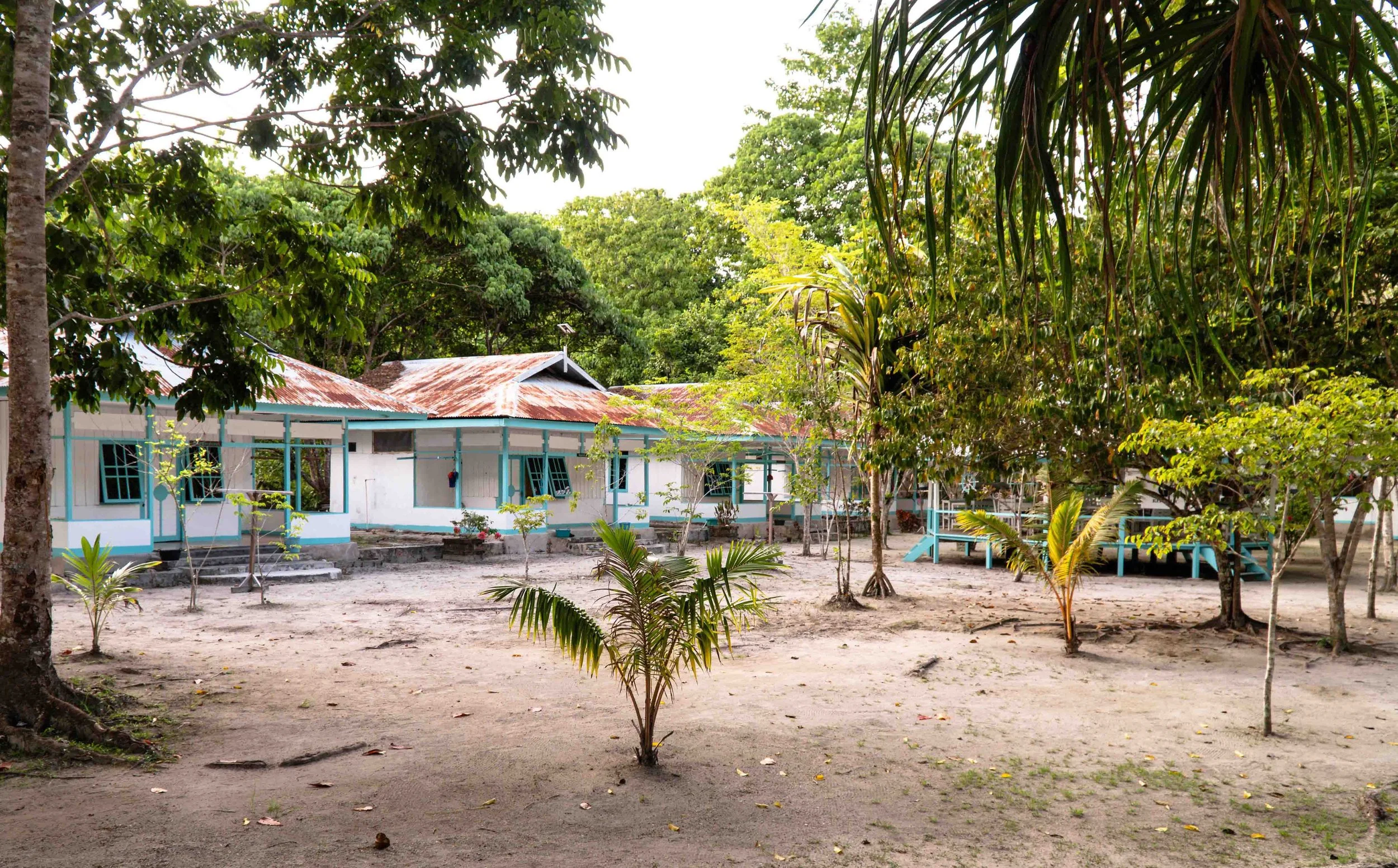
Dampier Strait — one of the most biodiverse reef systems in the region
Misool — renowned for pristine reefs and conservation success
Batanta and central Raja Ampat island groups
Accommodation styles vary widely, from simple eco-friendly bungalows built over the water to comfortable boutique resorts with private villas and full-service dive operations. Many properties are designed to blend into the natural environment, sitting among jungle-covered islands and overlooking turquoise lagoons.
Because divers remain in one location for the duration of their stay, resort diving often offers a slower, more relaxed pace compared with liveaboard itineraries.
Why divers choose resorts
✔ More relaxed daily schedule with fewer dives per day
✔ Comfortable land-based accommodation
✔ Ability to stay longer and explore at a slower pace
✔ Better option for non-diving partners or mixed-activity trips
✔ More time for underwater photography and repeat dives on favourite sites
For divers who prefer a comfortable base with flexible diving, a resort can be an excellent way to experience the reefs of Raja Ampat while enjoying the scenery and rhythm of island life.
🤿 Dive Site Access
One of the biggest differences between Raja Ampat liveaboards and dive resorts is the range of dive sites you can access during your trip. Because the archipelago spans a vast area of ocean, the type of accommodation you choose will influence how much of the region you are able to explore.
Liveaboards: Maximum Range
Liveaboards offer the greatest flexibility when it comes to exploring Raja Ampat’s most famous dive sites. Because the vessel moves throughout the trip, divers can travel between different island groups and reef systems that are far beyond the range of day boats.
This allows itineraries to include legendary dive sites such as:
Cape Kri — famous for record-breaking fish biodiversity
Blue Magic — a seamount known for pelagic encounters and oceanic manta rays
Melissa’s Garden — one of the region’s most spectacular coral reefs
Magic Mountain — a remote seamount attracting sharks, manta rays, and schooling fish
Many liveaboard routes also venture south into the reefs of Misool, an area famous for its pristine coral ecosystems and dramatic limestone islands.
Because liveaboards move throughout the archipelago, divers can often experience multiple regions of Raja Ampat in a single trip, making it one of the most comprehensive ways to explore the area.
Result: You see more of Raja Ampat in one expedition.
Resorts: Localized but Exceptional Diving
Dive resorts focus on specific reef systems within day-boat distance of their location. Instead of travelling long distances each day, boats typically visit a network of nearby dive sites that can be reached within 20–60 minutes.
Two of the most popular resort-based diving regions include:
Dampier Strait — one of the most biodiverse dive areas in the archipelago
Misool — known for its thriving reefs and strong marine protection
The advantage of resort diving is that guides often have deep knowledge of the local reefs, returning to the same dive sites regularly and understanding seasonal patterns in marine life.
Resorts also tend to host fewer divers than liveaboards at any one time, which can create a quieter, more relaxed diving experience.
While the geographic range is smaller, many of Raja Ampat’s most famous dive sites are still accessible from nearby resorts, meaning divers can enjoy world-class reefs without needing to travel across the entire archipelago.
📸 Underwater Photography Opportunities
For many divers, Raja Ampat is not just about the diving — it’s also one of the best underwater photography destinations on Earth. The region’s extraordinary biodiversity, healthy coral reefs, and frequent encounters with large marine life make it ideal for both wide-angle and macro photography.
Whether a liveaboard or a resort is better for photography often depends on your shooting style and the type of equipment you travel with.
Liveaboards
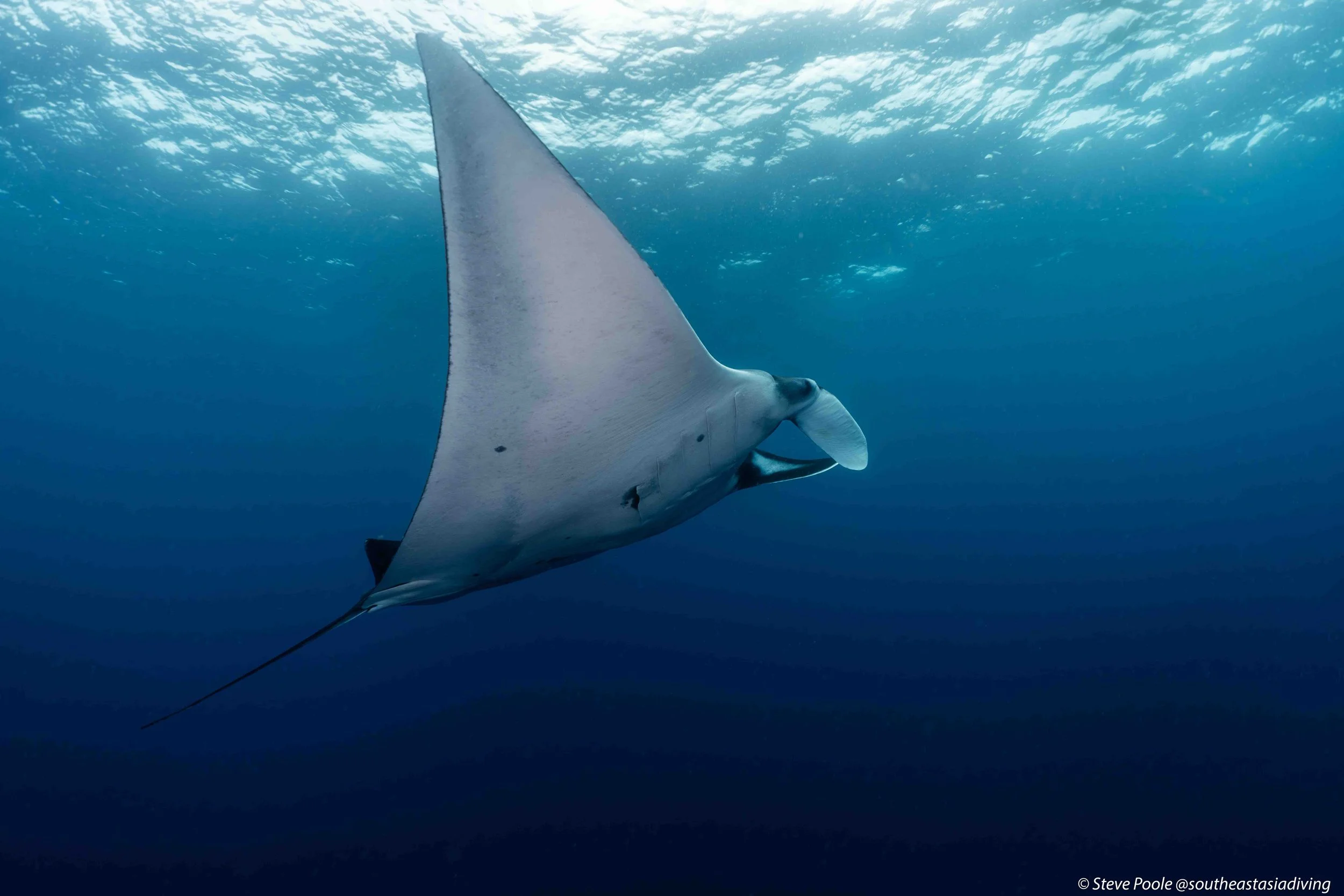
Liveaboards are particularly well suited to photographers focused on wide-angle subjects and pelagic encounters. Because vessels move across the archipelago, itineraries often include remote seamounts and current-swept dive sites where large schools of fish gather.
These locations can provide incredible opportunities to photograph:
Huge schools of fish
Oceanic manta rays
Reef sharks and pelagic species
Dramatic coral reefs and reef scenes
Dive schedules are typically intensive, often offering three to four dives per day, which increases the chances of encountering rare or unpredictable marine life.
However, liveaboard photography setups can come with a few practical limitations:
Less time between dives to manage camera equipment
Limited charging space for batteries and strobes
Busy camera tables when multiple photographers are preparing gear at the same time
For photographers traveling with large camera rigs or multiple setups, these shared spaces can sometimes feel crowded.
Resorts
Raja Ampat dive resorts are often preferred by serious underwater photographers, particularly those traveling with larger or more complex camera systems.
Because resorts are land-based, they often provide infrastructure that makes managing photography equipment much easier.
Advantages typically include:
✔ Dedicated camera rooms with workstations
✔ Stable charging setups for multiple batteries and strobes
✔ More space to assemble and maintain large camera rigs
✔ Flexible dive schedules and longer surface intervals
These facilities can be especially valuable if you are traveling with large underwater housings, multiple strobes, video lights, or backup camera systems.
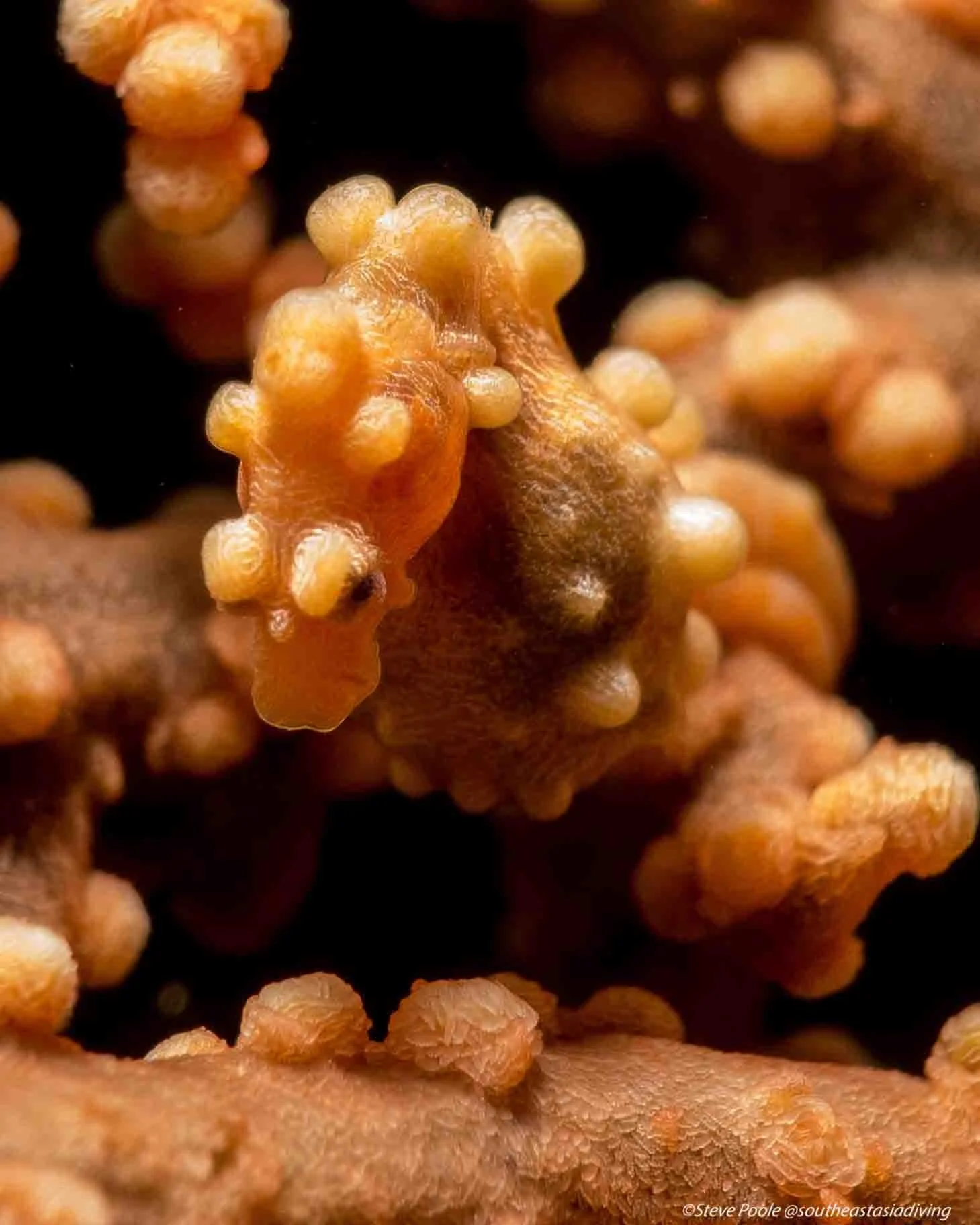
Resorts also allow photographers to return to the same dive sites multiple times, which is particularly beneficial for macro photography. Subjects such as nudibranchs, pygmy seahorses, and frogfish often remain in the same area for extended periods, allowing photographers to refine compositions over several dives.
For photographers who prefer a slower pace and more time to manage their gear, resort-based diving can provide a more comfortable and productive shooting environment.
🌊 Marine Life Encounters
Both liveaboards and dive resorts offer access to the extraordinary biodiversity that makes Raja Ampat famous. Located in the heart of the Coral Triangle, the region holds the highest marine biodiversity on Earth, with more than 1,500 species of fish and hundreds of coral species recorded across its reefs.
Regardless of how you dive it, encounters with iconic marine life are common. Divers can expect to see species such as:
Oceanic manta ray
Wobbegong shark
Pygmy seahorse
However, the type of trip you choose can influence the style of encounters you’re more likely to experience.
Liveaboards
Liveaboards often travel to remote seamounts, cleaning stations, and current-swept reefs where large marine life tends to gather.
As a result, divers on liveaboards are more likely to encounter:
Oceanic manta rays
Large pelagic fish
Huge schools of trevally, barracuda, and fusiliers
Sharks and other open-water species
Because the boat moves throughout the archipelago, itineraries can target different reef systems known for big-animal encounters and high fish biomass.
Resorts
Resort-based diving tends to focus on a smaller group of nearby dive sites, but this often leads to a deeper familiarity with the reef and its inhabitants.
This approach can be particularly rewarding for divers interested in:
Macro life such as nudibranchs, shrimp, and pygmy seahorses
Reef behaviour and cleaning interactions
Slow, exploratory dives along coral gardens and reef slopes
Guides at dive resorts often know the local reefs intimately, allowing them to locate smaller subjects that might be missed during faster-paced liveaboard itineraries.
For many divers, the difference isn’t about more marine life, but rather a different style of encounter — with liveaboards emphasizing large-scale pelagic scenes and resorts offering more opportunities for patient observation of reef life.
⏱️ Number of Dives
Another key difference between Raja Ampat liveaboards and dive resorts is the number of dives you can typically complete during a trip. The style of accommodation directly influences the daily dive schedule and overall pace of the experience.
Liveaboards
Liveaboards are designed to maximize time underwater. Because divers are already on the boat and close to the next dive site, operators can schedule multiple dives throughout the day.
A typical liveaboard schedule includes:
3–4 dives per day, including a night dive on some days
18–25 dives over a 7–10 day trip
This intensive schedule allows divers to experience a wide range of dive sites and marine environments within a single expedition. For divers who want to maximize their underwater time, liveaboards are often the most efficient way to explore Raja Ampat.
However, the pace can be demanding. With early morning briefings and multiple dives each day, liveaboards tend to follow a structured schedule focused heavily on diving.
Resorts
Dive resorts typically offer a more relaxed diving rhythm. Because guests return to shore after each dive trip, the schedule usually includes fewer dives per day with longer surface intervals.
A typical resort dive schedule includes:
2–3 dives per day
Optional night dives, depending on the location and conditions
This slower pace gives divers more time to relax between dives, review photos, or explore the surrounding islands. It also provides greater flexibility for those who prefer not to dive every available slot.
For divers who value comfort, flexibility, and a slower daily routine, resort-based diving can provide a more balanced experience while still offering access to world-class reefs.
💰 Cost Comparison
Cost is often one of the biggest factors when deciding between a Raja Ampat liveaboard and a dive resort. While prices vary widely depending on the operator, level of luxury, and time of year, there are some general differences in how the two options are priced.
Liveaboards
Liveaboards are typically the more expensive option, primarily because they combine accommodation, transportation, and diving into a single expedition-style experience.
A typical Raja Ampat liveaboard trip costs approximately:
$3,500 – $6,000+ per week
Most liveaboard packages include:
Accommodation aboard the vessel
All meals and snacks
Guided diving (often 3–4 dives per day)
Transfers between the boat and Sorong
Some trips may also include additional services such as airport transfers, nitrox, or national park permit assistance, although these details vary between operators.
While the upfront price may seem high, liveaboards often provide excellent value for divers who want to maximize diving time and explore multiple regions of Raja Ampat in one trip.
Resorts
Dive resorts can offer a broader range of price points, from simple eco-lodges to high-end boutique resorts.
Typical weekly costs range from:
$2,000 – $4,000+ per week
Pricing usually depends on factors such as:
Accommodation level (eco bungalow vs luxury villa)
Number of dives included in the package
Meal plans and additional services
Unlike liveaboards, some resort packages may price diving separately from accommodation, allowing guests to customize how many dives they complete during their stay.
For travelers who want a longer stay, more comfort, or a more relaxed pace, resorts can sometimes provide a more flexible and cost-effective way to experience the reefs of Raja Ampat.
🧭 Trip Style and Experience
Beyond dive site access and cost, the biggest difference between Raja Ampat liveaboards and dive resorts is the overall style of the trip. Each option creates a very different rhythm to your days and a different type of travel experience.
Liveaboards tend to feel more like diving expeditions, where the entire schedule revolves around exploring remote reefs and maximizing time underwater. Resorts, on the other hand, offer a more relaxed island-based experience where diving is balanced with comfort, scenery, and time to unwind.
Understanding which style suits your travel preferences can make a big difference in how much you enjoy your trip to Raja Ampat.
Choose a Liveaboard if you:
✔ Want to maximize the number of dives during your trip
✔ Want to explore multiple regions of Raja Ampat in a single itinerary
✔ Have limited time but want to see as much as possible
✔ Enjoy expedition-style travel and life aboard a dive vessel
Liveaboards are particularly appealing for divers who want an immersive, dive-focused adventure, moving between remote reefs and waking up each day in a new part of the archipelago.
Choose a Resort if you:
✔ Prefer a slower, more relaxed daily pace
✔ Are traveling with a partner who may not dive
✔ Are an underwater photographer who values space and stable work areas
✔ Enjoy comfortable accommodation and time to relax between dives
Resorts provide a more balanced island experience, allowing divers to enjoy the reefs while also appreciating the landscapes, beaches, and quieter rhythms of life in Raja Ampat.
📍 The Best Option for Most Divers
For many first-time visitors to Raja Ampat, a liveaboard often provides the most comprehensive introduction to the region. Because the vessel moves throughout the archipelago, divers can experience a wide variety of reef systems, seamounts, and island groups in a single trip.
This ability to explore multiple areas — from the fish-rich reefs of Dampier Strait to the pristine coral ecosystems of Misool — makes liveaboards particularly appealing for divers who want to see as much of Raja Ampat as possible during a limited amount of time.
However, many experienced divers eventually return to the region and choose to stay in a dive resort instead. By basing themselves in one location, they can slow down and explore local dive sites more thoroughly, often revisiting favourite reefs multiple times and observing seasonal marine life patterns.
In other words, liveaboards tend to offer breadth of exploration, while resorts provide depth of experience.
Both approaches reveal the same extraordinary marine ecosystems — just through different styles of travel.
Final Thoughts
Choosing between a Raja Ampat liveaboard and a dive resort ultimately comes down to what kind of dive trip you want.
If your goal is to explore as many reefs as possible and maximize time underwater, a liveaboard offers an expedition-style experience that covers large parts of the archipelago. For many divers, it’s the most efficient way to discover the diversity of Raja Ampat in a single trip.
On the other hand, if you prefer a slower pace, comfortable surroundings, and the ability to focus on a specific reef system, a resort-based stay can provide a more relaxed and immersive experience.
Whichever option you choose, diving in Raja Ampat means entering one of the most biodiverse marine environments on Earth — a destination where vibrant coral reefs, schooling fish, manta rays, and rare macro life combine to create truly unforgettable dives.
For many divers, the real answer is simple: visit once by liveaboard, and return later to experience the reefs again from a resort.
🧳 Planning Your Raja Ampat Trip
Before traveling, make sure you're prepared for the logistics of diving in such a remote region.
Travel Insurance for Raja Ampat Dive Trips
Raja Ampat is one of the most remote diving destinations on Earth. Flights, boat transfers, and liveaboard trips mean travel insurance is strongly recommended before visiting the region.
Many divers choose World Nomads because their policies can cover adventure activities such as scuba diving, trip cancellations, and medical emergencies while travelling.
Disclosure: This box contains an affiliate link. If you purchase through it, we may earn a small commission at no additional cost to you.
👉 Read the full guide here:
Raja Ampat Packing List for Divers
❓ FAQ: Raja Ampat Liveaboard vs Resort
Is a liveaboard the best way to dive Raja Ampat?
For many divers, yes. Liveaboards allow you to reach remote dive sites across the archipelago and typically offer three to four dives per day, giving you the chance to experience a wide variety of reefs and marine life during a single trip.
Because the boat moves throughout the itinerary, liveaboards can visit multiple regions such as Dampier Strait and Misool. This makes them an excellent option for first-time visitors who want to see as much of Raja Ampat as possible.
Can you dive Raja Ampat without a liveaboard?
Yes. Several excellent dive resorts operate throughout the region, particularly in areas such as Dampier Strait and Misool. These resorts offer daily boat dives to nearby reefs and provide a comfortable land-based alternative to liveaboard travel.
While resort-based diving covers a smaller geographic area, many famous Raja Ampat dive sites are still accessible from nearby resorts.
Are Raja Ampat liveaboards worth the cost?
For many divers, liveaboards offer excellent value. Although the upfront price can be higher, most trips include accommodation, meals, diving, and boat transportation throughout the archipelago.
Because liveaboards typically offer more dives per day and access to remote reefs, they often provide the most comprehensive way to explore Raja Ampat diving in a limited amount of time.
Are dive resorts better for underwater photographers?
Resorts can be particularly attractive for underwater photographers. Many offer dedicated camera rooms, stable charging areas, and more space for assembling large camera systems.
Resorts also allow photographers to return to the same dive sites multiple times, which can be useful for capturing macro subjects or refining wide-angle compositions.
How many dives can you do in Raja Ampat?
The number of dives depends on whether you stay on a liveaboard or at a resort.
Liveaboards typically offer 3–4 dives per day, often totaling 18–25 dives during a week-long trip. Dive resorts usually schedule 2–3 dives per day, with optional night dives depending on the location and conditions.
Both options provide plenty of opportunities to explore the reefs and marine life of Raja Ampat.
When is the best time to dive Raja Ampat?
Raja Ampat offers excellent diving year-round, but many divers consider October to April to be one of the best seasons for calm seas and good visibility.
Seasonal conditions can vary slightly across the region, particularly between northern areas such as Dampier Strait and southern regions like Misool, but diving is possible throughout most of the year.
Is Raja Ampat suitable for beginner divers?
Raja Ampat can be suitable for confident beginner divers, but many dive sites experience currents. Divers should be comfortable with buoyancy control and following dive guides during drift dives.
For beginners, staying at a resort in a location such as Dampier Strait can sometimes offer a gentler introduction to the region compared with more expedition-style liveaboard itineraries.