🐢 Why Sipadan Is a Great Year-Round Destination
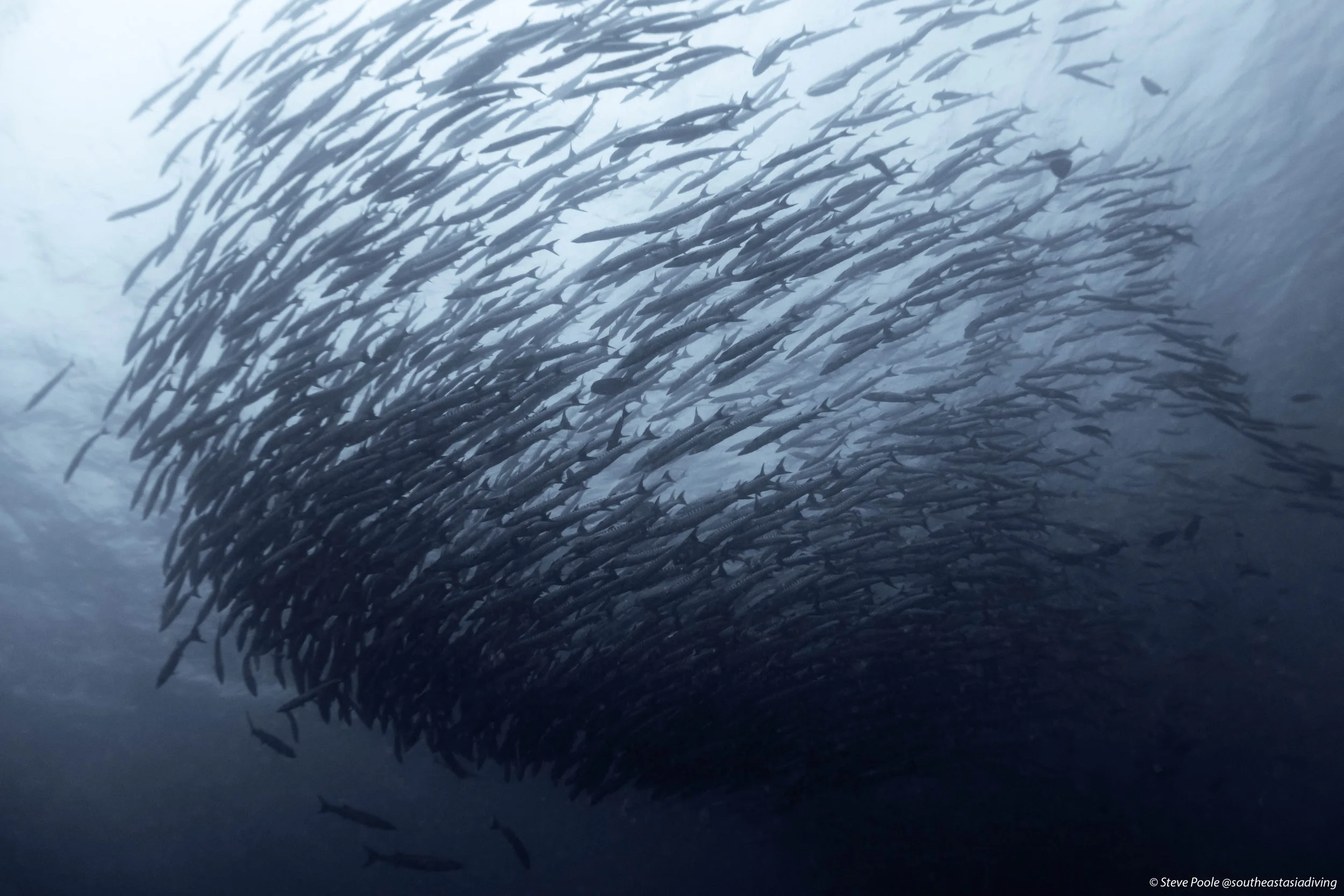
The iconic Barracuda Tornado
One of Sipadan's greatest strengths is its consistency. Many world-famous dive destinations are heavily influenced by seasonal migrations, plankton blooms or short windows of ideal conditions. Divers often need to carefully plan their trips around specific months to maximise their chances of seeing the headline attractions.
Sipadan is different.
Thanks to its location in the Celebes Sea and the incredible health of its marine ecosystem, Sipadan delivers exceptional diving throughout the year. While visibility and weather conditions may vary slightly from month to month, the marine life remains consistently impressive regardless of when you visit.
Divers can regularly expect encounters with:
Green turtles
Hawksbill turtles
Reef sharks
White-tip sharks
Large schools of jackfish
Barracuda
Bumphead parrotfish
Eagle rays
In fact, many divers are surprised by just how reliable the marine life encounters can be. It is not unusual to see dozens of turtles during a single day of diving, while schools of barracuda and jackfish are a regular feature at sites such as Barracuda Point and South Point. This reliability is one of the reasons Sipadan has earned such an outstanding reputation amongst divers. Rather than visiting to see a single seasonal event, divers come because the overall quality of the diving is consistently exceptional. Another advantage is that Sipadan combines two very different diving experiences within the same trip. While Sipadan itself is famous for its dramatic walls and large marine life, nearby Mabul and Kapalai offer some of the best macro diving in Southeast Asia. This means that even if conditions are not perfect for wide-angle photography, there are still incredible opportunities to photograph frogfish, nudibranchs, blue-ring octopus and countless other critters around the neighbouring islands.
Personally, many of my visits have taken place during November and December, outside what many divers consider the "peak" season. Despite this, I have still enjoyed excellent visibility, huge schools of fish, regular turtle encounters and some truly memorable dives. While conditions may not always be quite as predictable as during the March to July period, I would have no hesitation recommending Sipadan as a late-year dive destination.
For most travellers, this means there is no need to obsess over finding the perfect month. While some periods may offer slightly better visibility or calmer seas, Sipadan remains one of the few truly world-class dive destinations that can deliver unforgettable diving experiences throughout the year.
📸 Best Time for Underwater Photography
As an underwater photographer, one of the things I love most about Sipadan is the incredible variety available within a single trip. Many destinations force photographers to choose between wide-angle and macro subjects. Sipadan is one of the rare places where you can comfortably shoot both during the same holiday. One morning might be spent photographing swirling barracuda schools at Barracuda Point or turtles cruising above healthy reefs, while the afternoon is dedicated to hunting for frogfish, nudibranchs and blue-ring octopus around Mabul.
Sipadan itself is all about wide-angle photography. The island's dramatic walls, healthy coral reefs and abundance of large marine life create endless opportunities for photographers carrying fisheye or wide-angle setups. Schools of jackfish and barracuda can fill the frame, while turtles are so common that many photographers eventually find themselves becoming surprisingly selective about which ones to photograph. Nearby Mabul and Kapalai provide the perfect contrast. While Sipadan delivers the big subjects, Mabul is famous for its world-class macro diving. Frogfish, flamboyant cuttlefish, nudibranchs, blue-ring octopus, shrimp and a huge variety of other critters attract underwater photographers from around the world. For many photographers, Mabul's muck diving is every bit as compelling as Sipadan's famous walls.
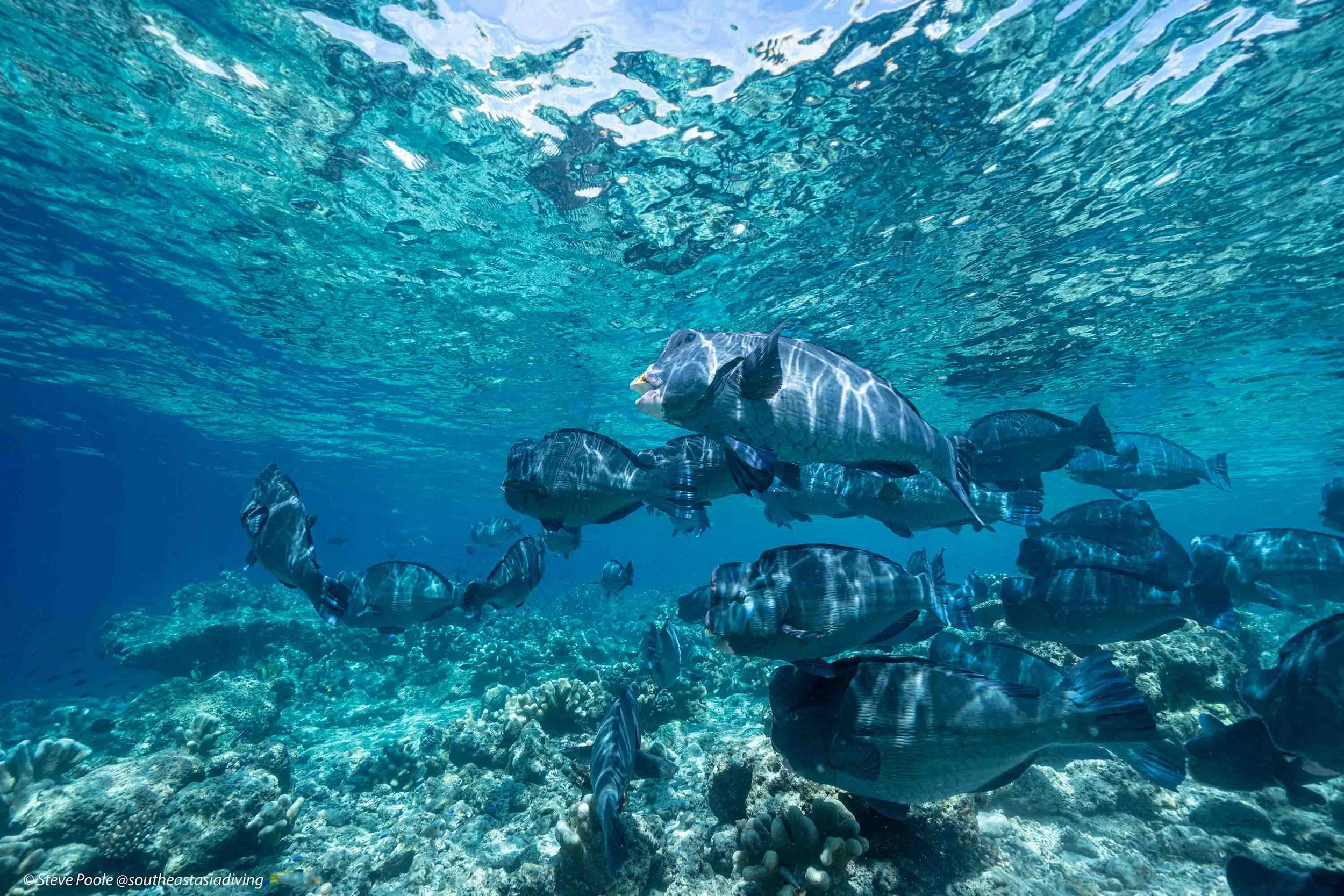
Bumphead parrotfish
Mabul's house reef and nearby shallow dive sites deserve special mention. Rather than a traditional coral reef, much of the diving takes place around a collection of artificial structures, reef beds and sandy slopes that have evolved into thriving marine habitats over the years. What these sites lack in dramatic scenery they more than make up for in photographic opportunities. Slow down, look carefully and almost every dive reveals something new.
One of the biggest attractions for photographers is the chance to encounter mandarinfish, one of the most sought-after subjects in underwater photography. Found on selected reef patches around Mabul and typically most active around dusk, these colourful little fish attract photographers from around the world hoping to capture their famous courtship displays. Alongside the mandarinfish, divers can encounter everything from tiny nudibranchs and shrimp to frogfish, octopus and flamboyant cuttlefish, making Mabul one of the most rewarding macro diving destinations in Southeast Asia.
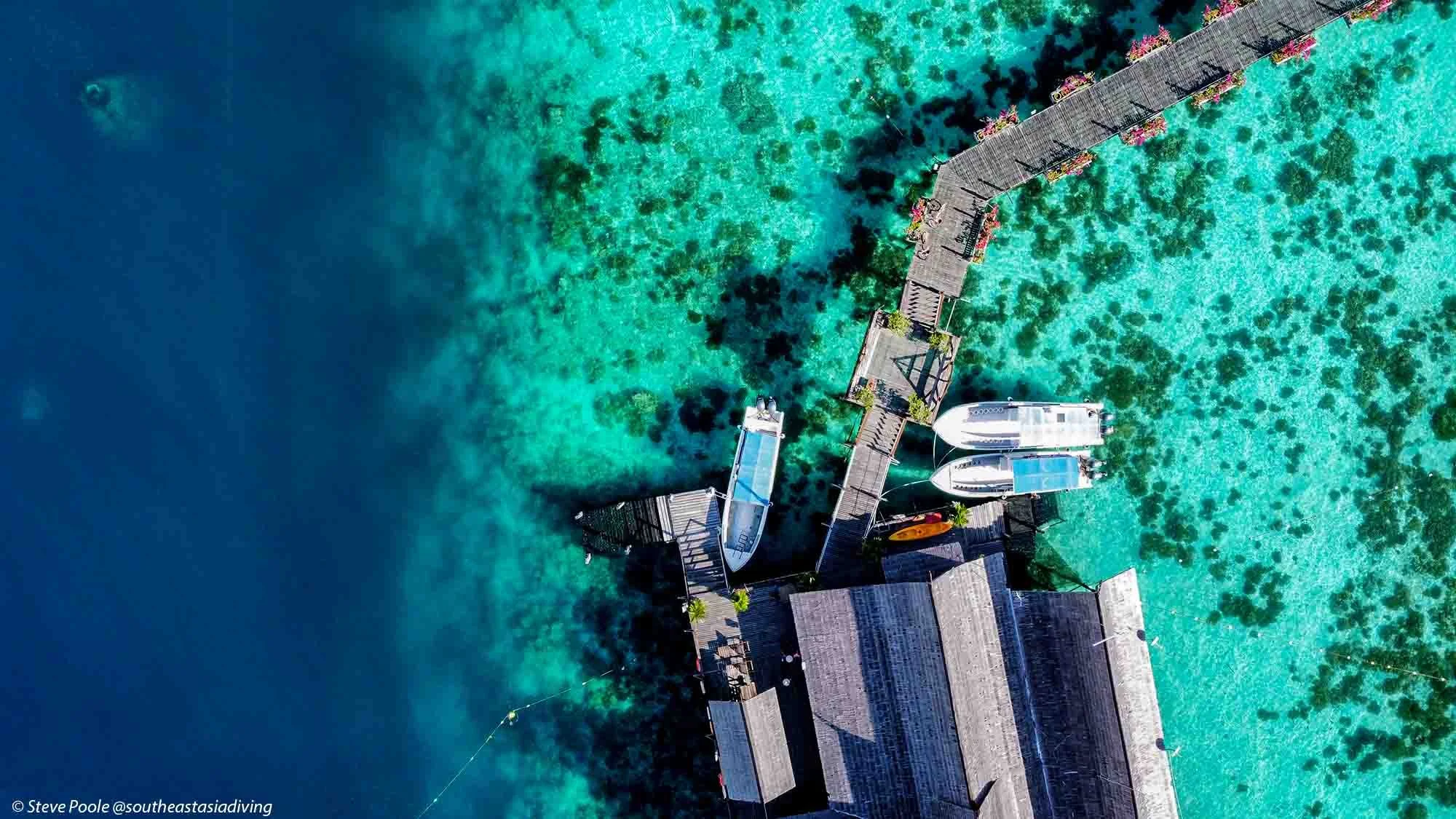
Kapalai offers a very different photographic experience. While it doesn't have the same reputation for muck diving as Mabul, I have always found the house reef to be remarkably productive and often underrated by visiting divers. The shallow reefs beneath and around the resort support an impressive variety of marine life, making them ideal for relaxed photography dives. Turtles are regularly seen around the resort, while photographers willing to spend time exploring the reef can find nudibranchs, crustaceans, juvenile reef fish and a wide variety of macro subjects. What I particularly enjoy about Kapalai is the pace. There is no sense of rushing from one dive site to the next. Instead, it is easy to spend time around the resort, dive the house reef and focus on photography at your own speed. The overwater setting also creates opportunities above the surface, with beautiful sunrises, reflections and marine life visible directly beneath the walkways.
Some of my favourite memories from Kapalai have come from unplanned moments around the resort itself rather than on scheduled dives. Combined with Sipadan's spectacular wide-angle opportunities and Mabul's famous macro sites, Kapalai helps create one of the most complete underwater photography destinations in Southeast Asia.
This combination means there is never really a bad month for underwater photography in Sipadan. Personally, if I were planning a dedicated photography trip, I would aim for April through June when visibility is often at its best and sea conditions tend to be particularly reliable. These months typically provide excellent conditions for wide-angle photography, particularly when shooting large schools of fish or trying to capture the dramatic reef walls that have made Sipadan famous. That said, some of my favourite images from the region have come from Mabul's night dives rather than Sipadan itself. Watching the sandy slopes come alive after dark remains one of the highlights of diving in Malaysian Borneo. Octopus hunting in the darkness, cuttlefish displaying vibrant colours and unusual critters emerging from the sand can create photographic opportunities that are every bit as memorable as Sipadan's iconic pelagic encounters.
Ultimately, photographers should not worry too much about chasing a perfect season. While visibility may be marginally better during certain months, the combination of Sipadan's wide-angle action, Mabul's macro diving and Kapalai's productive house reef means there are outstanding photographic opportunities throughout the year.
🌞 Best Time for Visibility and Calm Seas
If your goal is to experience Sipadan at its most reliable, the period between March and July is often considered the sweet spot.
During these months, divers can typically expect:
Excellent visibility
Calm sea conditions
Warm water temperatures
Reliable boat departures
Comfortable surface intervals
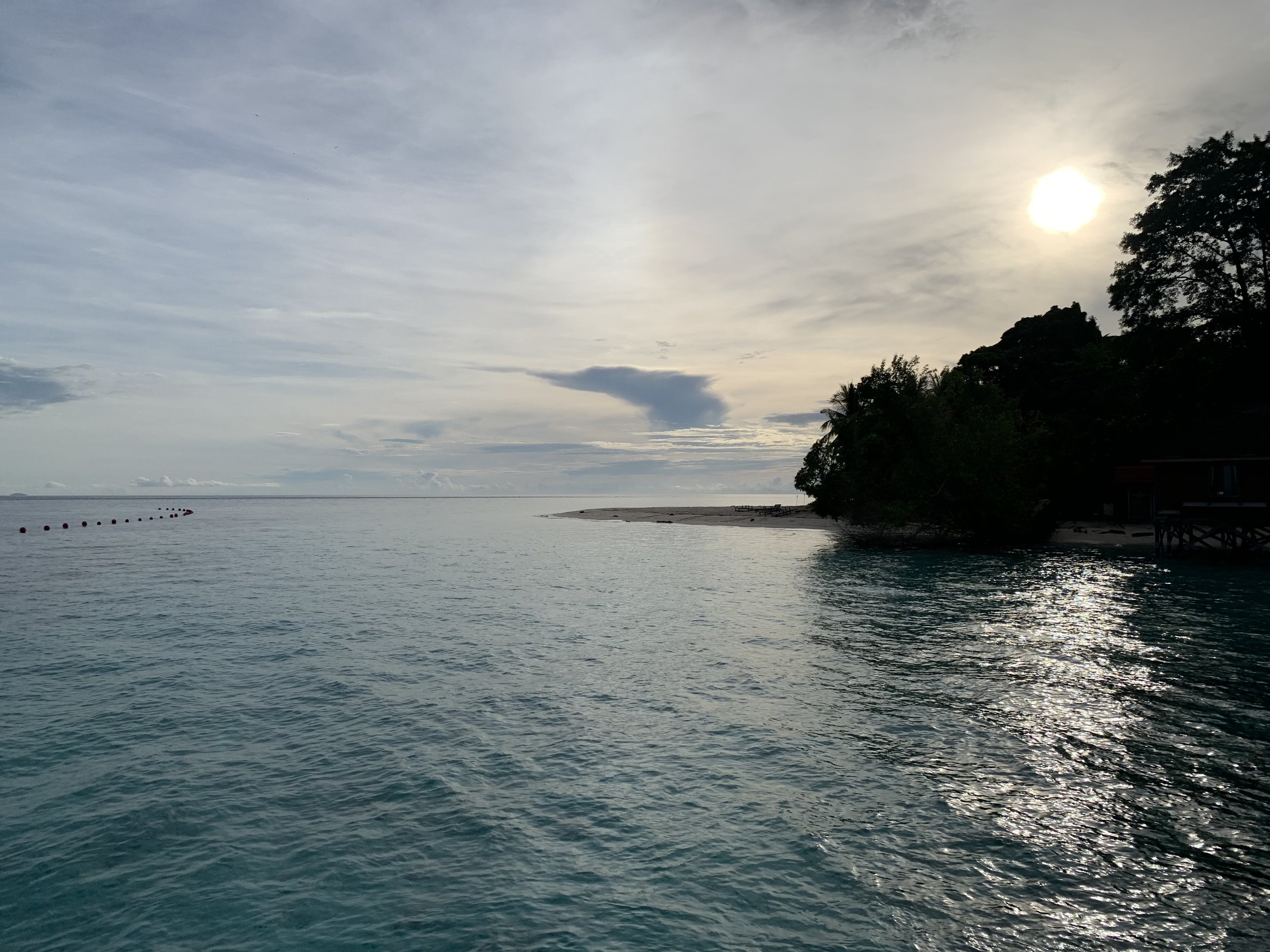
Calm seas around Sipadan Island
Visibility regularly exceeds 20 metres and can occasionally reach 30 metres or more, particularly during prolonged periods of calm weather. Water temperatures typically remain between 27°C and 30°C throughout the year, meaning a 3mm wetsuit is sufficient for most divers. For first-time visitors, these conditions provide the classic Sipadan experience that appears in dive magazines and underwater photography portfolios around the world.
The calmer sea conditions are particularly beneficial for underwater photographers. Better visibility allows schools of barracuda and jackfish to be captured in their entirety, while strong sunlight penetrating the water column can create dramatic wide-angle scenes around Sipadan's famous walls. That said, one of the biggest misconceptions about Sipadan is that conditions suddenly deteriorate outside this period. Many of my own visits have taken place during November and December and I have still experienced excellent visibility, calm dives and unforgettable marine life encounters. While the weather may be slightly less predictable than during the middle of the year, the difference is often far smaller than many visitors expect.
Ultimately, while March through July may offer the most consistently favourable conditions, I would happily dive Sipadan at almost any time of year. The destination's extraordinary marine life and healthy reefs mean that even a "good" day at Sipadan is often better than an excellent day elsewhere.
🎟️ Best Time for Sipadan Permits
While many divers focus on visibility and weather, permit availability can be just as important when planning a trip to Sipadan. In fact, securing a Sipadan permit often has a greater impact on your overall experience than whether visibility is 20 metres or 30 metres.
To protect the island's fragile marine ecosystem, the number of divers allowed to visit Sipadan each day is strictly controlled. Permits are allocated to resorts and dive operators, meaning access is limited regardless of the season.
Demand is typically highest during:
Easter holidays
Summer holiday periods
Chinese New Year
Christmas and New Year
During these times, popular resorts can book out months in advance and permit availability may become more limited. For this reason, I always recommend booking as early as possible, particularly if you have fixed travel dates. Many first-time visitors also become overly focused on maximising the number of Sipadan days in their itinerary. While diving Sipadan is undoubtedly the highlight of most trips, it is important not to overlook the quality of the diving around Mabul and Kapalai. Some of my favourite dives in the region have actually taken place away from Sipadan, particularly on Mabul's macro sites and during night dives where the variety of marine life can be extraordinary.
If permit availability is a major concern, staying for at least four or five nights is often a sensible strategy. Longer stays generally improve your chances of securing multiple Sipadan diving days while also giving you time to fully appreciate the surrounding dive sites.
When researching resorts, I would recommend asking the following questions before booking:
How many Sipadan days are included?
Are permits guaranteed?
Does a longer stay increase permit allocation?
Can additional Sipadan days be requested?
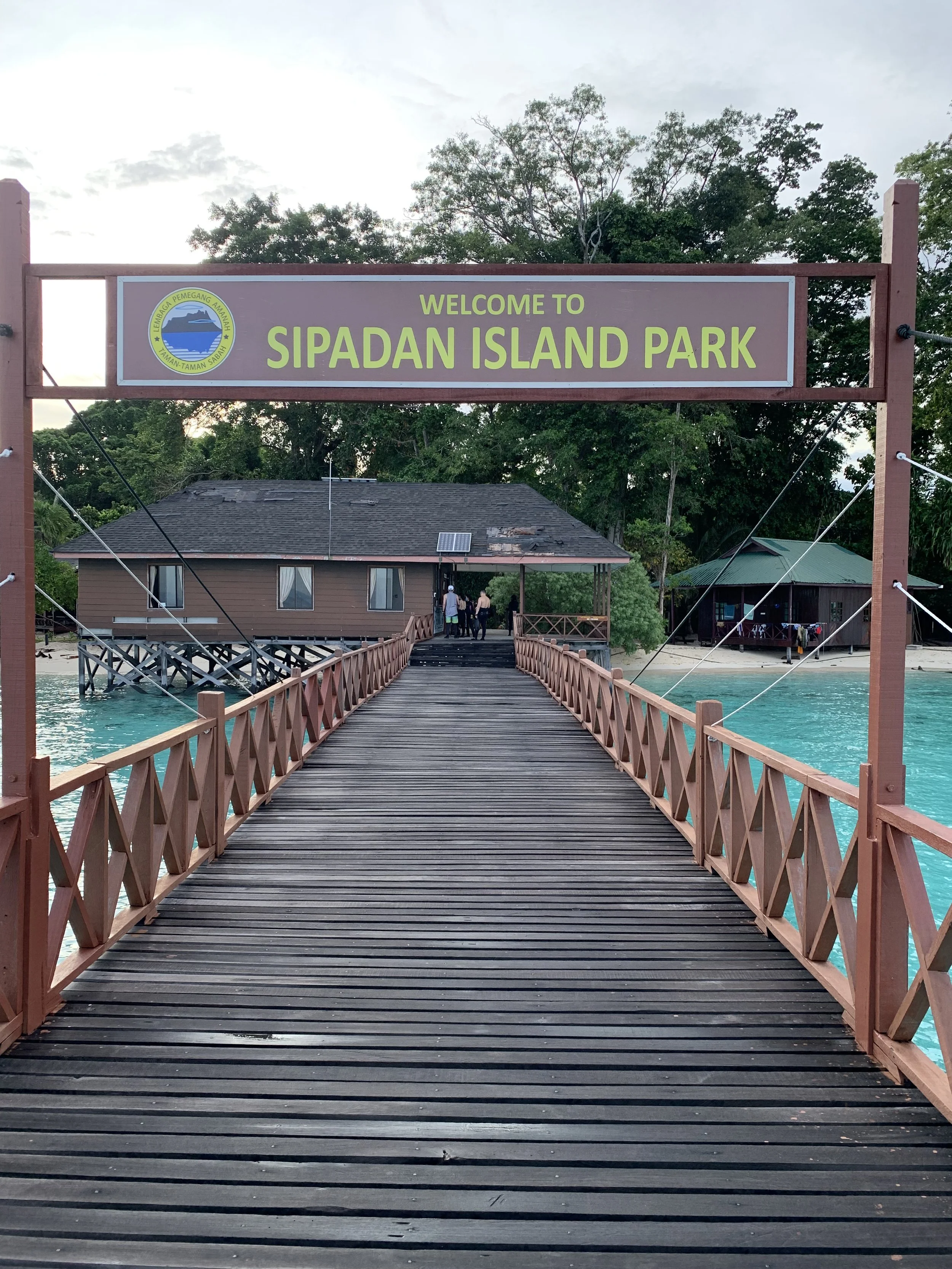
The old jetty entrance to Sipadan, sadly this has now collapsed
The best time to visit Sipadan is not necessarily when the visibility is at its absolute peak. It's when you can combine favourable conditions with sufficient permit availability to experience everything that makes this remarkable destination so special.
💰 Cheapest Time to Visit Sipadan
While Sipadan is never likely to be considered a budget diving destination, there are certainly times of the year when visitors can find better value and enjoy a more relaxed experience. October, November and early December are often among the best-value months to visit Sipadan. Accommodation availability tends to be better, resorts are usually less crowded and it can be easier to secure Sipadan permits compared with peak holiday periods. Travelling during these months does not mean sacrificing the quality of the diving. In fact, many visitors are surprised by how good conditions can be outside the traditionally recommended March to July period. Visibility is often still very good, marine life remains exceptional and water temperatures stay consistently warm. The quieter atmosphere can also enhance the overall experience. Resorts, dive boats and popular dive sites often feel less crowded, allowing for a more relaxed trip both above and below the water.
For photographers, fewer divers in the water can be an unexpected advantage. Schools of fish are less likely to be disturbed and it is often easier to position yourself for wide-angle shots without other divers entering the frame. If your travel dates are flexible and you are looking for the best combination of value, permit availability and excellent diving, the October to early December period is well worth considering.
⭐ My Favourite Time to Dive Sipadan
If I were spending my own money and booking another trip tomorrow, I would probably choose November or early December. This might seem surprising given that many guides recommend travelling between March and July, but my own experiences have consistently shown that Sipadan remains exceptional later in the year. Many of my visits have taken place during November and December and I have enjoyed some truly memorable diving during this period. Visibility has often been excellent, marine life encounters have been every bit as impressive as during peak season and the weather has generally been far better than many people expect.
What I particularly enjoy about travelling at this time of year is the balance it offers. The resorts are often quieter, there is usually greater flexibility when booking accommodation and, perhaps most importantly, there can be a better chance of securing multiple Sipadan diving days. With fewer visitors competing for permits, longer stays can be particularly rewarding. I also find that the overall atmosphere feels more relaxed. Whether staying in Kapalai, Mabul or Semporna, there is simply less pressure on the system compared with major holiday periods. Dive boats tend to feel less crowded, resorts are often more peaceful and it is easier to enjoy the destination at your own pace.
Of course, if your primary goal is to maximise the chances of perfect visibility and calm seas, March through July remains a fantastic choice. However, based on my own experiences, I would not hesitate to recommend November and early December to divers looking for a combination of excellent diving, fewer crowds and better permit availability. Ultimately, one of the things I love most about Sipadan is that there is no single perfect month to visit. The destination is remarkably consistent throughout the year, and that's one of the reasons it remains one of my favourite dive destinations anywhere in the world.
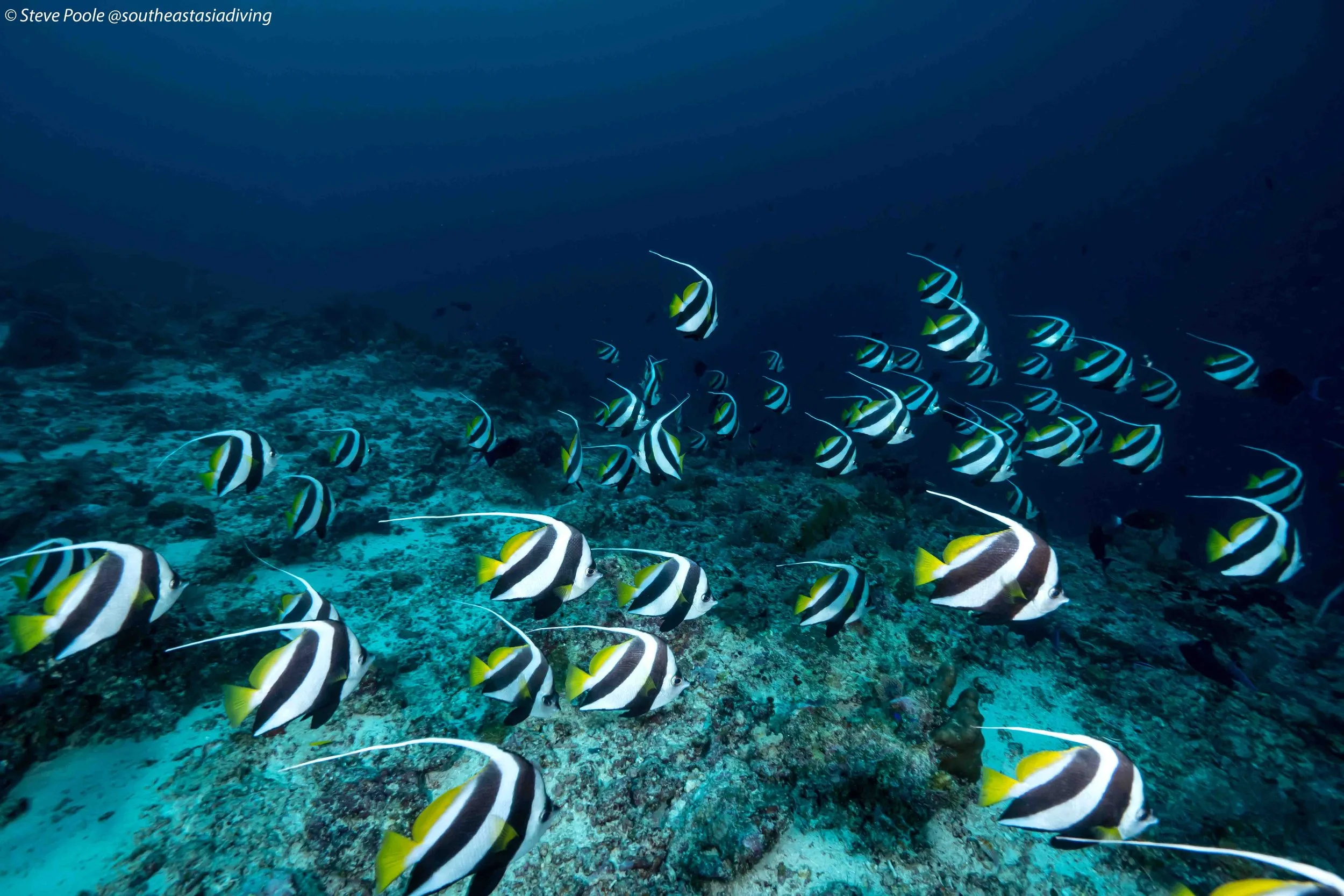
Bannerfish at Barracuda Point
🌅 Final Thoughts
So, when is the best time to dive Sipadan?
For most divers, the answer will be between March and July, when visibility is often at its best and sea conditions are generally calm. These months provide the classic Sipadan experience that appears in dive magazines and underwater photography portfolios around the world.
However, after several visits to Sipadan, what stands out most to me isn't a particular month or season. It's the consistency. Unlike destinations that rely on seasonal migrations or brief windows of ideal conditions, Sipadan delivers exceptional diving throughout the year. Turtles, barracuda, jackfish and reef sharks can be encountered in every season, while nearby Mabul and Kapalai continue to provide some of the best macro diving in Southeast Asia.
Whether you're visiting for underwater photography, spectacular marine life encounters or simply to experience one of the world's great dive destinations, Sipadan has a remarkable ability to deliver memorable dives year after year. Personally, November and early December remain my favourite times to visit thanks to the combination of excellent diving, fewer crowds and improved permit availability. However, the truth is that there are very few bad times to dive Sipadan.
For that reason alone, it remains one of my favourite dive destinations anywhere in the world.
❓ Frequently Asked Questions About Diving Sipadan
❓ What is the best month to dive Sipadan?
For most divers, April, May and June offer the best combination of visibility, calm seas and reliable diving conditions. However, Sipadan is a year-round destination and many experienced visitors enjoy excellent conditions during November and December, when resorts are often quieter and permit availability can be better.
❓ Can you dive Sipadan all year round?
Yes. Sipadan is one of the few world-class dive destinations that can be visited throughout the year. Water temperatures remain warm, marine life is abundant and dive operators run trips to Sipadan during all twelve months of the year.
❓ Is Sipadan worth visiting during November and December?
Absolutely. Many of my own visits have taken place during November and December, and I have consistently experienced excellent visibility, healthy reefs, huge schools of fish and outstanding marine life encounters. These months can also offer fewer crowds and a better chance of securing multiple Sipadan diving days.
❓ What is the visibility like in Sipadan?
Visibility varies throughout the year but is often between 15 and 30 metres. During prolonged periods of calm weather, visibility can exceed 30 metres, particularly between March and July. Even outside these months, visibility is frequently excellent.
❓ What is the water temperature in Sipadan?
Water temperatures typically range between 27°C and 30°C (81°F–86°F) throughout the year. Most divers find a 3mm wetsuit sufficient, although some prefer additional protection for multiple dives over several days.
❓ What marine life can you see in Sipadan?
Sipadan is famous for its incredible marine biodiversity. Divers regularly encounter green turtles, hawksbill turtles, reef sharks, white-tip sharks, barracuda, jackfish, bumphead parrotfish and eagle rays. Marine life sightings are excellent throughout the year.
❓ How many days should I stay in Sipadan?
Most divers should aim for at least four to five nights. This provides a good chance of securing one or more Sipadan permit days while also allowing time to enjoy the excellent diving around Mabul and Kapalai.
❓ Do I need a permit to dive Sipadan?
Yes. The number of divers allowed to visit Sipadan each day is strictly limited and permits are required. These permits are typically arranged through your resort or dive operator and should be considered when planning your trip.
❓ Is Sipadan good for underwater photography?
Yes. Sipadan is widely regarded as one of the best underwater photography destinations in Southeast Asia. The island is famous for wide-angle subjects such as barracuda, turtles and schooling fish, while nearby Mabul offers world-class macro diving and exceptional night diving opportunities.
❓ What is the best time for underwater photography in Sipadan?
For wide-angle photography, many photographers prefer April through June due to the generally excellent visibility and calm sea conditions. However, macro photographers can find outstanding subjects around Mabul and Kapalai throughout the year, making Sipadan an excellent photography destination in any season.
❓ Which is better: Mabul or Kapalai?
Both are excellent but offer very different experiences. Mabul is renowned for macro diving, night dives, mandarinfish and a wider range of accommodation options. Kapalai offers a more peaceful atmosphere, beautiful overwater accommodation and a surprisingly productive house reef. Personally, Kapalai remains my favourite overall experience.
❓ Is Sipadan suitable for beginner divers?
Sipadan is generally best suited to divers with some experience, particularly as currents can occasionally be strong. Newly certified divers may find Mabul and Kapalai's dive sites a gentler introduction while still enjoying exceptional marine life and underwater photography opportunities.
❓ Is Sipadan worth the trip?
Without hesitation, yes. Between the barracuda tornadoes, huge schools of jackfish, abundant turtles, dramatic wall dives and the incredible macro diving available nearby in Mabul and Kapalai, Sipadan remains one of the most rewarding dive destinations in the world and a true bucket-list experience for many divers.