Komodo Diving Guide: Best Dive Sites, Mantas & When to Go
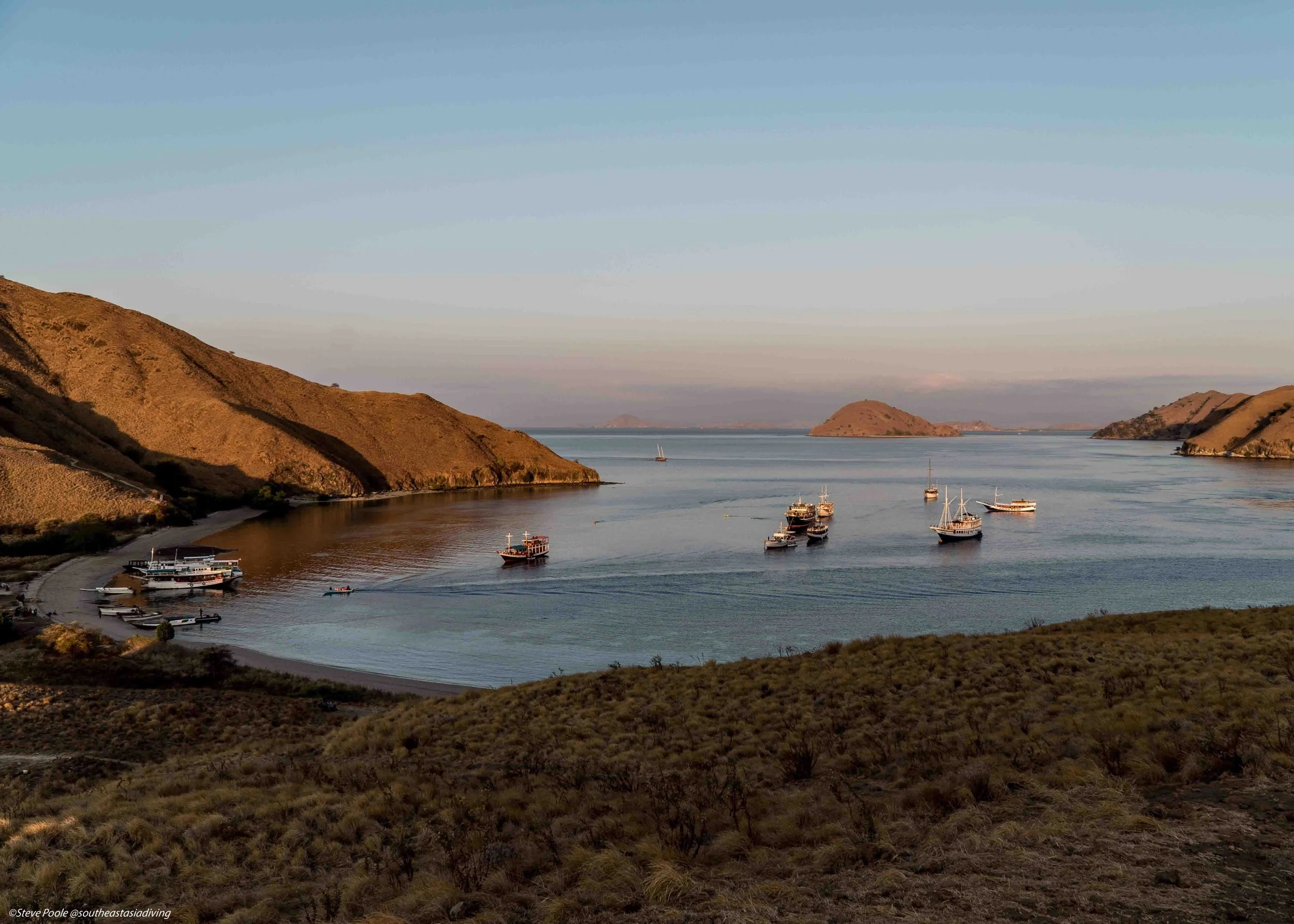
Introduction: Why Dive Komodo National Park?
Few places in the world deliver diving as consistently exciting as Komodo National Park in Indonesia. Known for its powerful currents, thriving reefs, and regular manta ray encounters, Komodo diving offers some of the most action-packed underwater experiences in Southeast Asia.
Located between the islands of Sumbawa and Flores, Komodo sits within the heart of the Coral Triangle, the most biodiverse marine region on the planet. This unique location creates the perfect conditions for marine life to flourish. Nutrient-rich currents sweep through the park, attracting everything from massive schools of reef fish to sharks, pelagic species, and graceful manta rays.
What makes diving in Komodo so special is the sheer variety of dive sites. In a single trip, divers can explore current-swept pinnacles teeming with fish, drift along colourful coral reefs, or hover above sandy cleaning stations as manta rays glide overhead. Sites like Batu Bolong, Castle Rock, and Manta Point have become world-famous for their intensity and marine life encounters.
At the same time, Komodo offers more relaxed diving as well, with sheltered bays, coral gardens, and turtle-rich reefs providing balance to the high-energy sites. This diversity makes it a destination that appeals to a wide range of divers, from those seeking adrenaline-filled drift dives to those interested in reef life and underwater photography.
Whether you’re chasing manta rays, sharks, or vibrant coral ecosystems, Komodo National Park delivers a world-class diving experience that rivals top destinations like Raja Ampat and Sipadan — with its own distinct character defined by current, colour, and constant movement.
Why Dive Komodo?
Komodo is widely regarded as one of the most exciting dive destinations in the world. What sets Komodo diving apart is not just the marine life, but the combination of powerful ocean conditions and an incredible variety of underwater environments.
Diving in Komodo National Park is defined by four key elements:
🐋 Manta Rays
Komodo is one of the most reliable places in Indonesia to encounter manta rays year-round. At sites like Manta Point, divers can watch mantas glide effortlessly over cleaning stations while small reef fish remove parasites.
During certain conditions, mantas can also be seen feeding in the current, creating unforgettable encounters as multiple rays move gracefully through the water. Because sightings are so consistent, manta diving is one of the highlights of almost every Komodo trip.
🌊 Strong Currents & Fish Biomass
The currents that flow through Komodo National Park are the driving force behind its rich marine life. Nutrient-rich water moving between the Indian and Pacific Oceans fuels an ecosystem packed with fish.
These currents attract huge schools of fusiliers, trevally, barracuda, and reef sharks, often forming dense, fast-moving walls of fish around pinnacles like Batu Bolong and Castle Rock. While conditions can sometimes be challenging, they are also what make Komodo one of the most rewarding destinations for experienced divers.
🐠 Diverse Dive Sites
One of the standout features of Komodo is the sheer variety of dive sites within a relatively small area. In a single trip, divers can experience:
Current-swept pinnacles with intense fish action
Colourful coral reefs covered in hard and soft corals
Calm bays with turtles and reef fish
Sandy slopes and cleaning stations with manta rays
This diversity also makes Komodo an exceptional destination for underwater photography. Wide-angle photographers can capture dramatic scenes of schooling fish, reef sharks, and manta rays in the current, while calmer sites and sheltered bays offer excellent opportunities for macro photography, including critters, reef life, and detailed coral textures.
To make the most of these conditions, having the right underwater photography gear — from wide-angle lenses for big scenes to macro setups for smaller subjects — can make a huge difference in the images you capture.
This combination means that no two dives in Komodo feel the same, making it an ideal destination for divers who want both adrenaline, variety, and diverse photographic opportunities.
🌍 A Unique Ocean Environment
Komodo sits at a meeting point of major ocean currents, creating constantly changing conditions that influence marine life, visibility, and temperature. In the south, cooler nutrient-rich water can bring different species and dramatic reef scenery, while the north tends to offer clearer water and more pelagic encounters.
This mix of environments is rare and adds another layer of excitement to diving in Komodo.
Together, these elements create a destination where every dive offers something different — from high-energy drift dives packed with fish to calm, scenic reefs and unforgettable manta encounters. For many divers, this combination is what makes Komodo National Park one of the best diving destinations in the world.
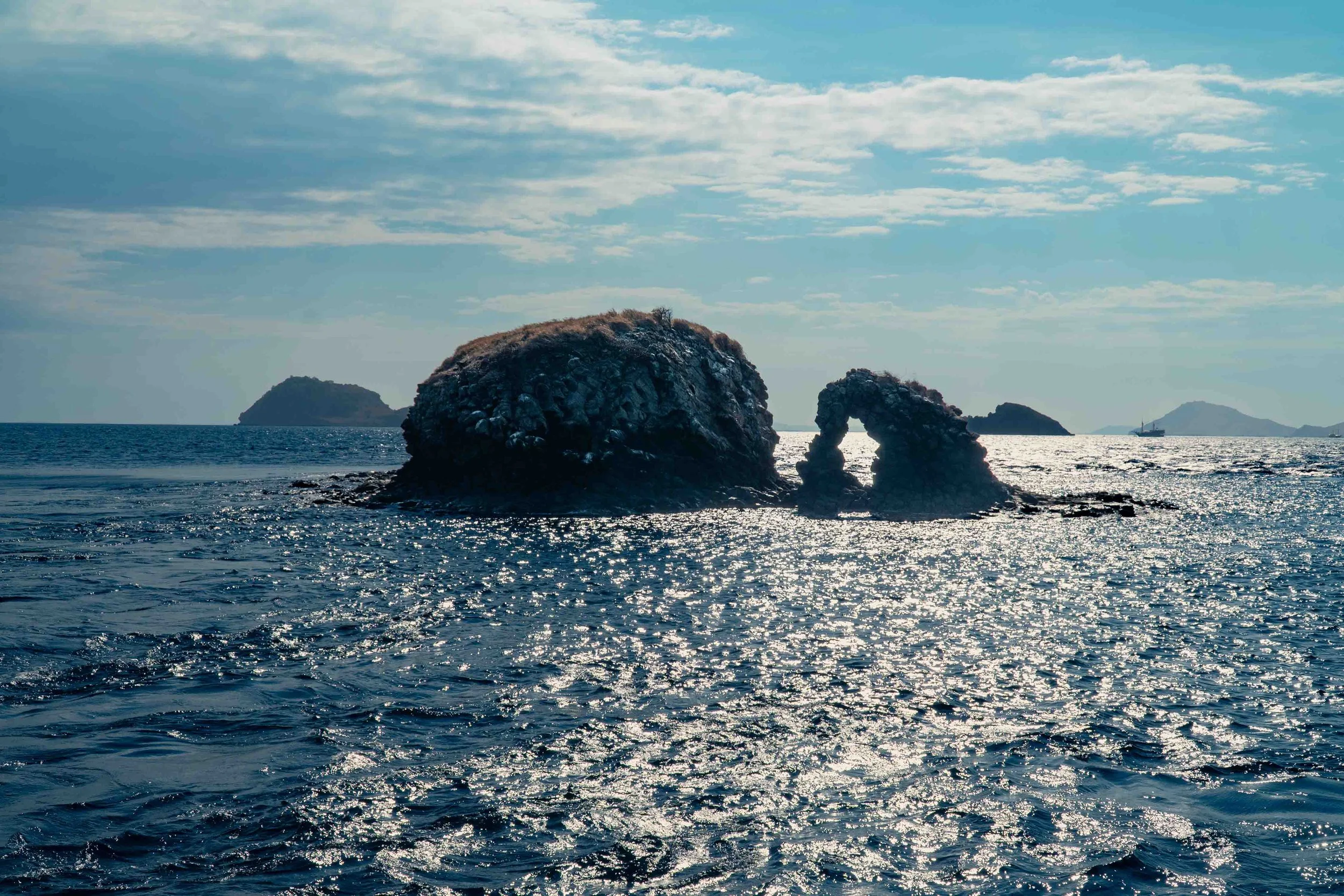
The iconic Batu Bolong Dive site
Best Dive Sites in Komodo
Komodo National Park is home to some of the most exciting and diverse dive sites in Indonesia. From current-swept pinnacles packed with fish to manta ray cleaning stations and colourful coral reefs, the region offers a wide range of underwater experiences within a relatively small area.
For divers visiting Komodo for the first time, the number of available dive sites can feel overwhelming. The park includes dozens of well-known locations spread across the north, central, and southern regions, each with its own conditions, marine life, and style of diving.
Some sites, such as Batu Bolong and Castle Rock, are famous for their intense fish biomass and strong currents, while others like Manta Point are known for reliable manta ray encounters. There are also calmer sites with coral gardens and turtles, making Komodo accessible to a broader range of divers.
In this guide, we highlight some of the best dive sites in Komodo National Park, including iconic locations for pelagic encounters, drift diving, and reef exploration. These sites represent the variety and energy that make Komodo diving one of the most memorable experiences in the world.
| Dive Site | Best For | What Makes It Special |
|---|---|---|
| Batu Bolong | Fish biomass & wide-angle photography | One of Komodo’s most famous sites, with dense schools of fish, reef sharks, and a vibrant coral-covered pinnacle. |
| Manta Point | Manta rays | A reliable manta cleaning station where divers can observe multiple manta rays circling in nutrient-rich water. |
| Castle Rock | Pelagic action | A current-swept seamount attracting sharks, giant trevally, and large schools of fish. |
| Crystal Rock | Clear water & schooling fish | Known for excellent visibility, strong currents, and encounters with reef sharks and pelagic species. |
| The Shotgun | Adrenaline drift dive | A famous high-speed channel dive between islands where strong currents create a thrilling “shotgun” ride through the reef. |
| Tatawa Besar | Drift diving & coral reefs | A fun drift dive with colourful coral reefs and steady currents, ideal for relaxed current diving. |
| Tatawa Kecil | Strong currents & fish action | More challenging than Tatawa Besar, with stronger currents and fast-moving schools of fish. |
| Siaba Besar | Beginner-friendly & turtles | A calm site with sandy patches, coral gardens, and frequent turtle encounters. |
| Pink Beach | Macro & reef life | A sheltered site known for macro subjects, reef fish, and colourful shallow coral reefs. |
| Mawan | Manta rays & easy diving | A quieter manta site with sandy bottom and coral bommies, often with calmer conditions than Manta Point. |
| Pengah Kecil | Drift diving & coral slopes | A scenic drift dive with coral-covered slopes and steady currents attracting reef fish. |
Komodo Dive Regions Explained
Komodo National Park is not a single dive area but a collection of distinct regions, each offering a different style of diving. Understanding how these areas differ can help you choose the right itinerary and set expectations for conditions, marine life, and overall experience.
Most dive trips — whether liveaboard or land-based — focus on one or more of three main regions: North Komodo, Central Komodo, and South Komodo.
🧭 North Komodo
North Komodo is the most famous and adrenaline-filled part of the park. Known for strong currents and pelagic encounters, this region includes iconic dive sites such as Batu Bolong, Castle Rock, and Crystal Rock.
Here, nutrient-rich currents attract large schools of fish and top predators. Divers can expect to see reef sharks, giant trevally, barracuda, and dense schools of fusiliers moving through the water column.
Dives in North Komodo are often fast-paced and require good buoyancy control, but they are also some of the most exciting in the region.
🌊 Central Komodo
Central Komodo offers a balance between action and accessibility, making it one of the most popular areas for divers. This region includes well-known sites such as Manta Point and Tatawa Besar, along with a mix of coral reefs and drift dives.
Conditions here are generally more manageable than in the north, while still offering plenty of marine life. It is also one of the best areas for manta ray encounters, with regular sightings at cleaning stations and feeding sites.
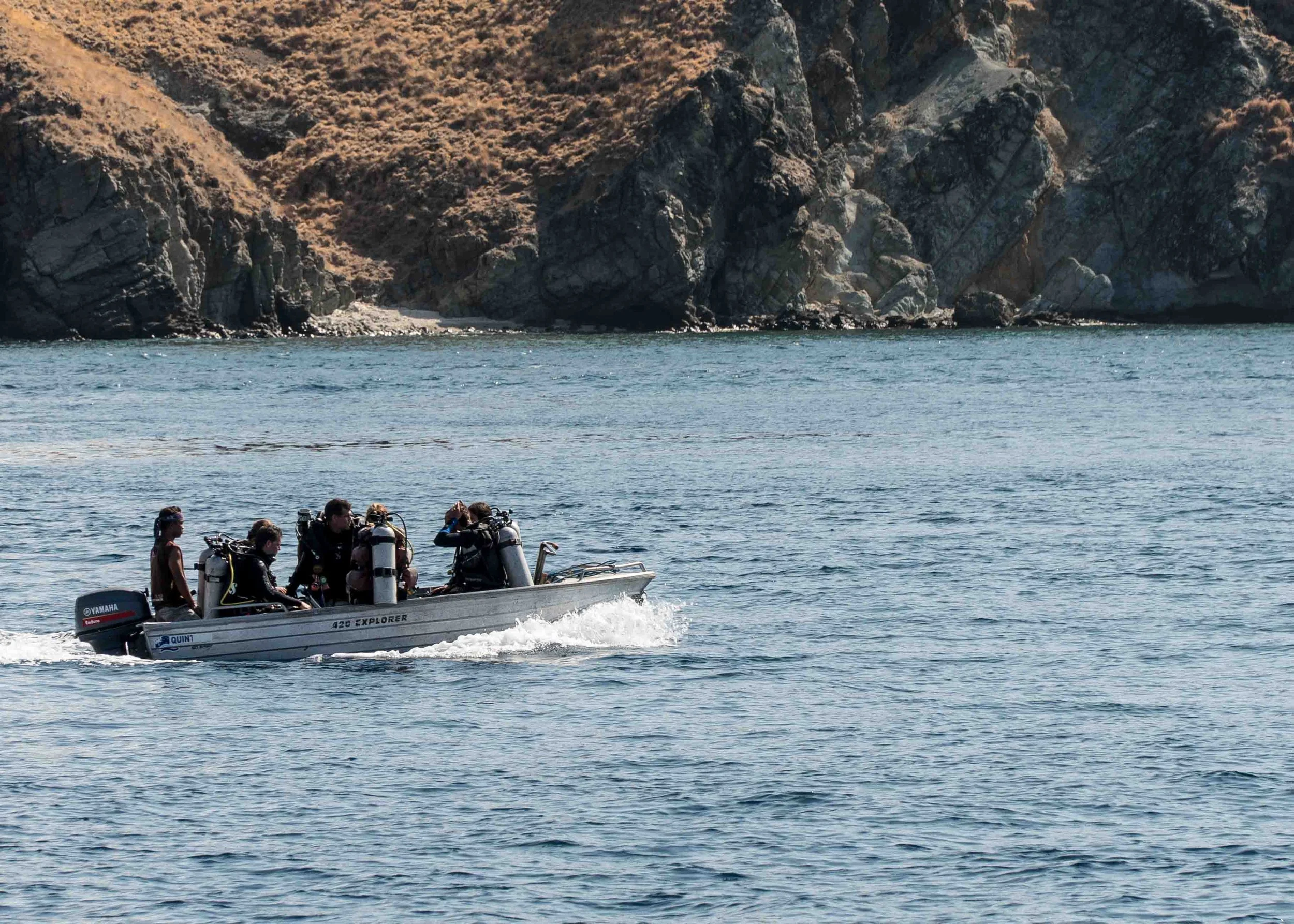
Because of its variety and relatively accessible conditions, Central Komodo is often the core area for both liveaboards and resort-based diving.
🌿 South Komodo
South Komodo feels noticeably different from the rest of the park. Influenced by cooler, nutrient-rich water from the Indian Ocean, this region is known for its soft corals, macro life, and dramatic underwater scenery.
Visibility can be lower and conditions more variable, but the reward is a unique diving experience with different species and vibrant reef landscapes. The south is also less frequently visited, giving it a more remote and untouched feel.
Diving here can be more challenging due to temperature and currents, but for many divers, it is one of the most memorable parts of a Komodo itinerary.
Bringing It All Together
Each region of Komodo offers a distinct experience, from the high-energy pelagic dives of the north to the manta-rich central sites and the colourful, cooler reefs of the south.
Many liveaboards explore multiple regions in a single trip, while divers staying in Labuan Bajo typically focus on central and northern sites. Understanding these differences can help you choose the best way to experience Komodo diving.
Best Time to Dive Komodo
Komodo offers excellent diving year-round, but conditions vary depending on seasonal winds, ocean currents, and location within the park.
Travel Insurance for Diving in Komodo
Diving in remote destinations like Komodo National Park is an incredible experience, but it also makes travel insurance especially important. Liveaboard trips, remote locations, and strong currents mean having the right coverage can provide valuable peace of mind.
Many divers choose World Nomads because their policies are designed for adventure travel and can include coverage for recreational scuba diving.
Disclosure: This page contains affiliate links. If you purchase through these links, we may earn a small commission at no additional cost to you. This helps support Southeast Asia Diving and allows us to continue creating detailed dive guides.
In general, the best time to dive Komodo National Park is between April and November, when seas are typically calmer and visibility is at its best across much of the region. During this period, diving conditions are more consistent, making it the most popular time for both liveaboards and land-based diving.
That said, Komodo remains a strong year-round destination. Between December and March, conditions can be more variable with occasional rain and choppier seas, but this period often brings excellent manta ray activity, particularly in central Komodo.
Water temperatures also change throughout the year and between regions. Northern sites are generally warmer, while the south can experience cooler, nutrient-rich water, especially during certain seasons. This variation contributes to the diversity of marine life found across the park.
Ultimately, there is no single “bad” time to dive Komodo — but understanding seasonal patterns can help you choose the best time based on your priorities, whether that’s calm conditions, manta encounters, or exploring more remote sites.
| Season | Conditions | Water Temperature | Best For |
|---|---|---|---|
| April – June | Calm seas, improving visibility, fewer crowds | 26–29°C | Excellent overall diving, reef and pelagic sites |
| July – September | Peak season, strong currents, very active marine life | 24–27°C (cooler in the south) | Best conditions, high fish biomass, experienced divers |
| October – November | Calmer seas, good visibility, fewer boats | 26–29°C | Great all-round diving with fewer crowds |
| December – March | Warmer water, occasional rain, variable seas | 27–29°C | Manta rays, quieter diving, good central Komodo sites |
Dive Conditions in Komodo
Diving in Komodo National Park is often best suited to intermediate to advanced divers, particularly those who are comfortable with currents and drift diving. While there are calmer sites available, many of Komodo’s most famous dive locations involve moving water and changing conditions.
🌊 Currents
Currents in Komodo can range from gentle drifts to strong and sometimes unpredictable flows. These currents are created by tidal exchanges between the Pacific and Indian Oceans and are the main reason for the region’s incredible marine life.
At sites like Batu Bolong, Castle Rock, and Tatawa Besar, currents can bring large schools of fish and pelagic species — but they also require good positioning, awareness, and guidance from experienced dive operators.
👁️ Visibility
Visibility in Komodo typically ranges from 15 to 30 metres, although it can vary depending on location and conditions.
Northern Komodo often offers clearer water and better visibility
Southern Komodo may have reduced visibility due to nutrient-rich upwellings
While visibility is not always crystal clear, the increased nutrients are what attract the rich marine life the region is known for.
🌡️ Water Temperature
Water temperatures in Komodo generally range from 24°C to 29°C, but can vary significantly depending on the region and time of year.
North and central Komodo: warmer and more stable temperatures
South Komodo: cooler water, sometimes dropping to around 22–24°C
Many divers choose to wear a 3–5mm wetsuit, with an additional layer recommended for colder southern dives.
⚠️ Experience Level
Because of the currents and changing conditions, Komodo is often recommended for divers with some experience. However, this doesn’t mean it’s inaccessible:
Some sites are suitable for less experienced divers
Many dive operators will choose sites based on conditions and skill level
Good briefings and experienced guides make a big difference
Being comfortable with buoyancy control, reef hooks (where permitted), and drift diving techniques will help you get the most out of Komodo.
Why Conditions Matter
These dynamic conditions are exactly what make Komodo so special. The same currents that can make dives more challenging are also responsible for the extraordinary fish biomass, manta encounters, and healthy reefs found throughout the park.
Affiliate Disclosure: This article may contain affiliate links. If you purchase through these links, we may earn a small commission at no additional cost to you.
| Gear | Best For | Why It Matters in Komodo | |
|---|---|---|---|
| Reef Hook | High-current dive sites | Helps you stay in position safely while watching pelagic life at sites like Batu Bolong and Castle Rock. | View on Amazon |
| Surface Marker Buoy (SMB) + Spool | Drift dives & safety | Essential for safe ascents in current-heavy conditions and for staying visible to boats. | View on Amazon |
| 3–5mm Wetsuit | Temperature protection | Keeps you comfortable across multiple dives, with extra warmth useful in cooler southern Komodo sites. | View on Amazon |
| Dive Computer | Multi-dive days | Helps manage depth, currents, and repetitive dive profiles during Komodo’s demanding dive schedules. | View on Amazon |
| Action Camera | Underwater photography | An easy and affordable way to capture manta rays, schooling fish, and reef scenes without a full camera setup. | View on Amazon |
For many divers, this balance of challenge and reward is what makes Komodo diving one of the most memorable experiences in the world.
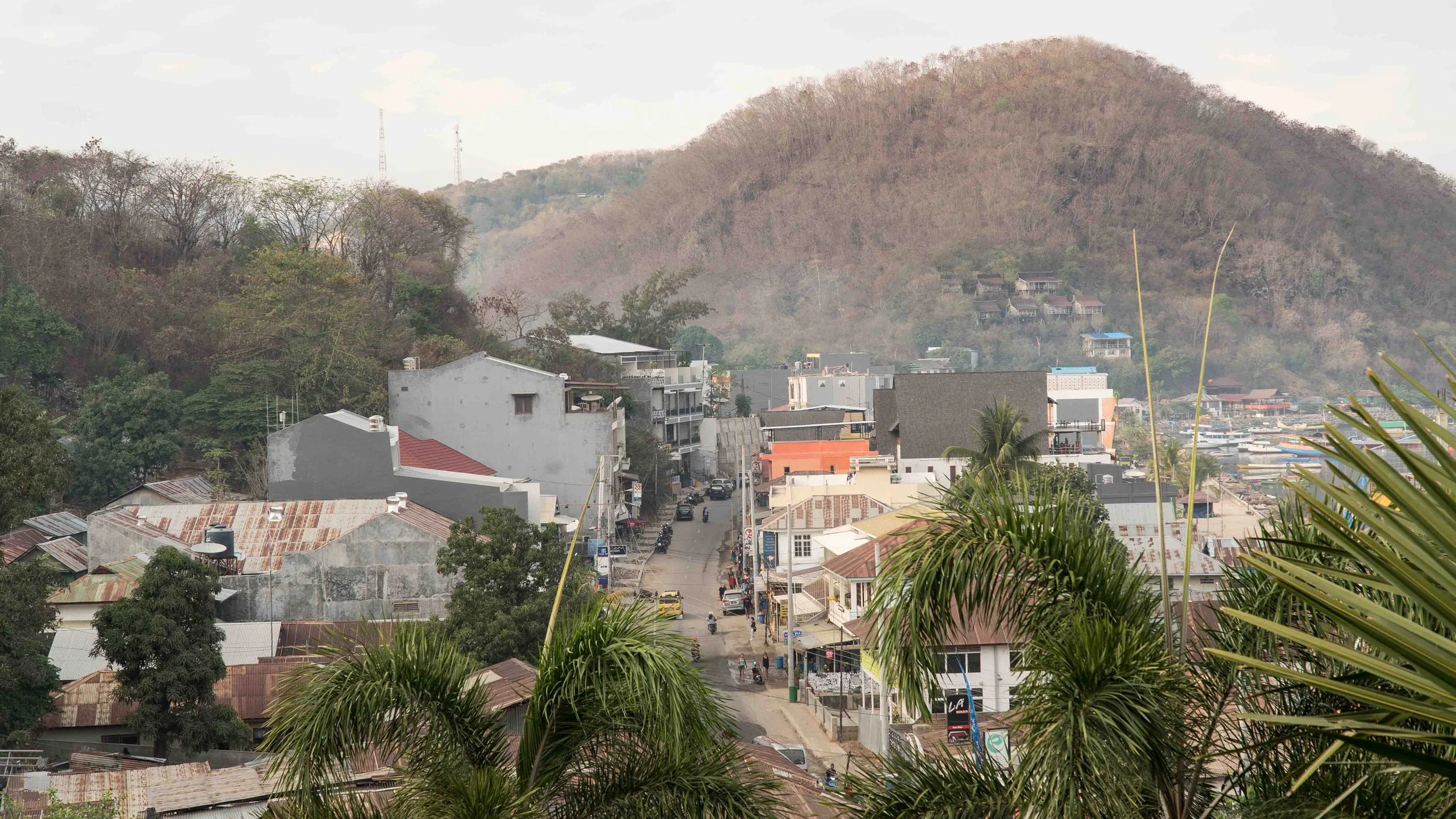
Labuan Bajo - the Gateway to Komodo
How to Get to Komodo National Park
Most diving trips to Komodo National Park begin in the coastal town of Labuan Bajo, located on the western tip of Flores. This small but rapidly developing town is the main gateway to the park and the departure point for both day-trip diving and liveaboard expeditions.
✈️ Getting to Labuan Bajo
The easiest way to reach Labuan Bajo is by air. The town is served by Komodo Airport (LBJ), which has regular domestic connections from several major Indonesian hubs:
Bali (Denpasar) — the most common route, with multiple daily flights (approximately 1 hour)
Jakarta — longer journeys, often with a connection via Bali
Lombok — occasional direct flights depending on the season
For most international travellers, the typical route is:
👉 Fly into Bali → connect to Labuan Bajo
Flights are frequent and relatively straightforward, making Komodo one of the more accessible remote diving destinations in Indonesia.
🚤 Getting to the Dive Sites
Once in Labuan Bajo, there are two main ways to dive Komodo:
Day Trips from Labuan Bajo
Most dive centres offer daily boat trips to sites in central and northern Komodo, including Manta Point, Tatawa Besar, and nearby reefs. These trips are convenient and suitable for divers who prefer to stay on land.
Liveaboards
Liveaboards allow divers to explore a much wider area, including remote northern sites and the less-visited south of Komodo. They also offer more dives per day and access to locations that are too far for day boats.
🏝️ Staying in Labuan Bajo
Labuan Bajo has developed significantly in recent years and now offers a wide range of accommodation options, from budget guesthouses to boutique hotels and luxury resorts.
The town also has:
Numerous dive centres and operators
A growing selection of restaurants and cafés
Easy access to the harbour for dive departures
This makes it a convenient and comfortable base for exploring Komodo, especially for divers choosing land-based diving.
⏱️ Travel Tips
Arrive at least one day early before a liveaboard departure to allow for flight delays
Morning flights from Bali are usually the most reliable for same-day connections
Book flights in advance during peak season (June–September)
Do You Need a Permit to Dive Komodo?
Yes — all visitors to Komodo National Park are required to pay entrance and activity fees. These fees contribute to the protection of the park’s marine ecosystems and help support conservation efforts across the region.
In most cases, divers don’t need to arrange anything themselves. Dive operators and liveaboards will usually handle all permits and payments as part of your trip, making the process straightforward.
💳 What Do the Fees Include?
The total cost can vary depending on how many days you spend in the park and the type of activities you’re doing, but typically includes:
Park entrance fee
Diving activity fee
Marine conservation fee
Some operators may also include additional small charges such as ranger fees or local contributions, depending on the itinerary.
💰 How Much Does It Cost?
As a rough guide, divers can expect to pay around $25–$50 USD per day in park and diving fees. However, prices can change over time as park regulations are updated.
On liveaboards, these fees are often:
Included in the total trip price
Or collected onboard at the start of the trip
For day trips, fees are usually:
Added to your dive package
Or paid directly through your dive centre
⚠️ Important Things to Know
Fees are typically paid per day, not per trip
Payment methods can vary — some operators may require cash (Indonesian Rupiah)
Prices and regulations can change, so it’s always best to confirm with your operator in advance
Why These Fees Matter
While they add to the cost of diving, these fees play an important role in preserving one of the most unique marine environments in the world. The protection of reefs, marine life, and park infrastructure helps ensure that Komodo remains a world-class diving destination for years to come.
Tip: Always check whether park fees are included in your dive package to avoid surprises.
Liveaboard vs Resort Diving in Komodo
Compare Komodo Liveaboards & Dive Resorts
Komodo is best explored either by liveaboard or through a dive resort in Labuan Bajo. If you're planning a trip, it's worth comparing options to find the best routes, availability, and pricing.
Divebooker lets you search and compare liveaboards and dive resorts across Komodo and Indonesia, making it easy to plan your diving trip.
Disclosure: This page contains affiliate links. If you book through these links, we may earn a small commission at no additional cost to you. This helps support Southeast Asia Diving and allows us to continue creating detailed dive guides.
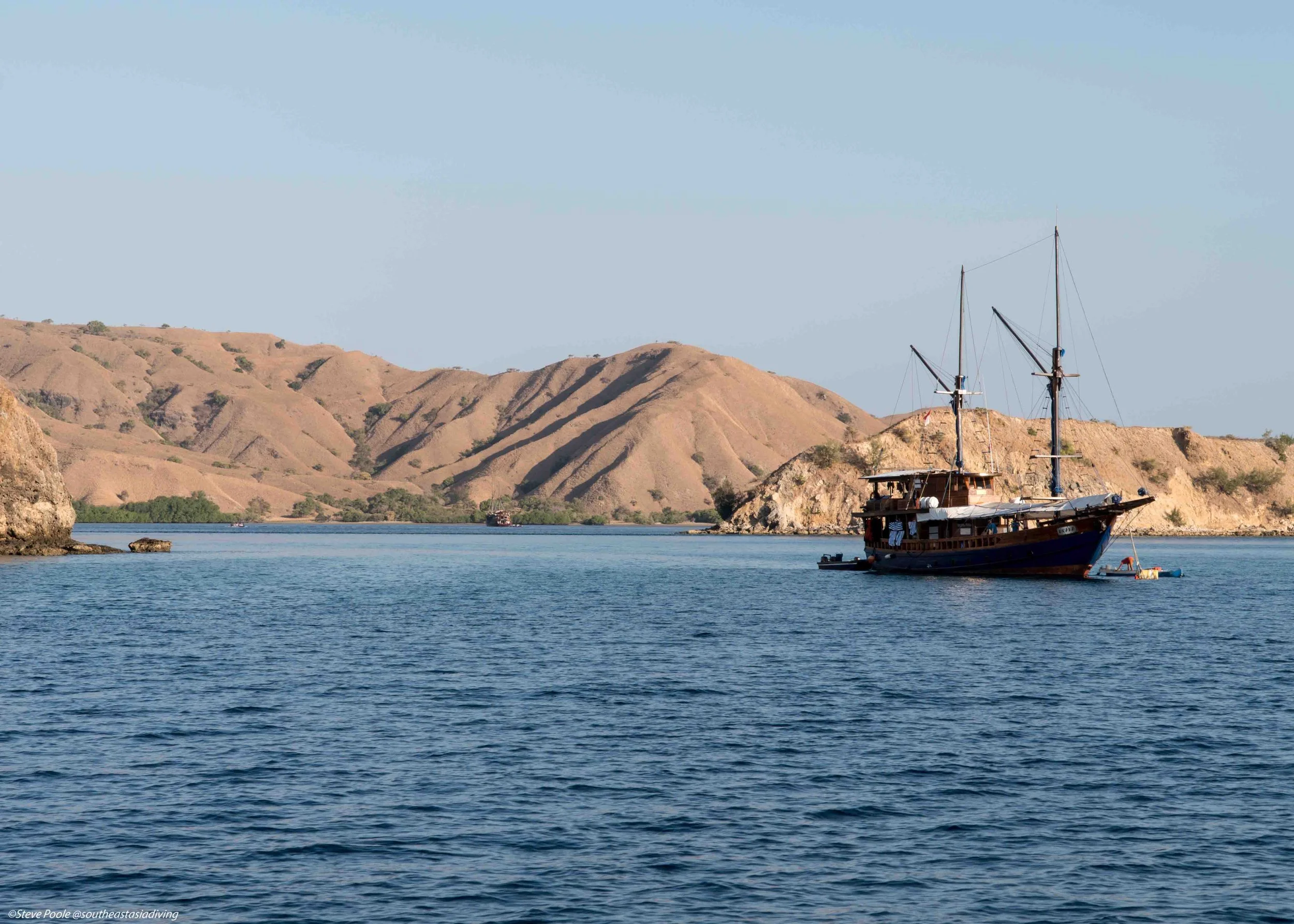
Divers can explore Komodo National Park in two main ways: by staying in Labuan Bajo and diving from day boats, or by joining a liveaboard expedition.
Both options offer excellent diving, but the experience can be quite different depending on your travel style, budget, and how much of the park you want to explore.
🛥️ Liveaboards
Liveaboards are the best way to experience the full range of Komodo diving. They allow divers to access more remote areas, including the far north and the less-visited south of the park, which are often difficult or impossible to reach on day trips.
Typical advantages include:
Access to remote dive sites
3–4 dives per day
Sunrise, sunset, and night dives
A more immersive diving experience
Liveaboards are ideal for divers who want to maximise their time underwater and explore multiple regions in a single trip.
🏝️ Resort & Day Boat Diving
Staying in Labuan Bajo and diving from day boats offers a more relaxed and flexible experience. Most dive centres run daily trips to central and northern Komodo, including popular sites like Manta Point, Tatawa Besar, and nearby reefs.
Advantages include:
Comfortable accommodation on land
Flexible schedule and shorter trips
Easier logistics for shorter stays
This option works well for divers who prefer a slower pace or are combining diving with other travel in Indonesia.
⚖️ Which Should You Choose?
Choose a liveaboard if you want to explore remote regions and maximise dive time
Choose resort-based diving if you prefer comfort, flexibility, and shorter trips
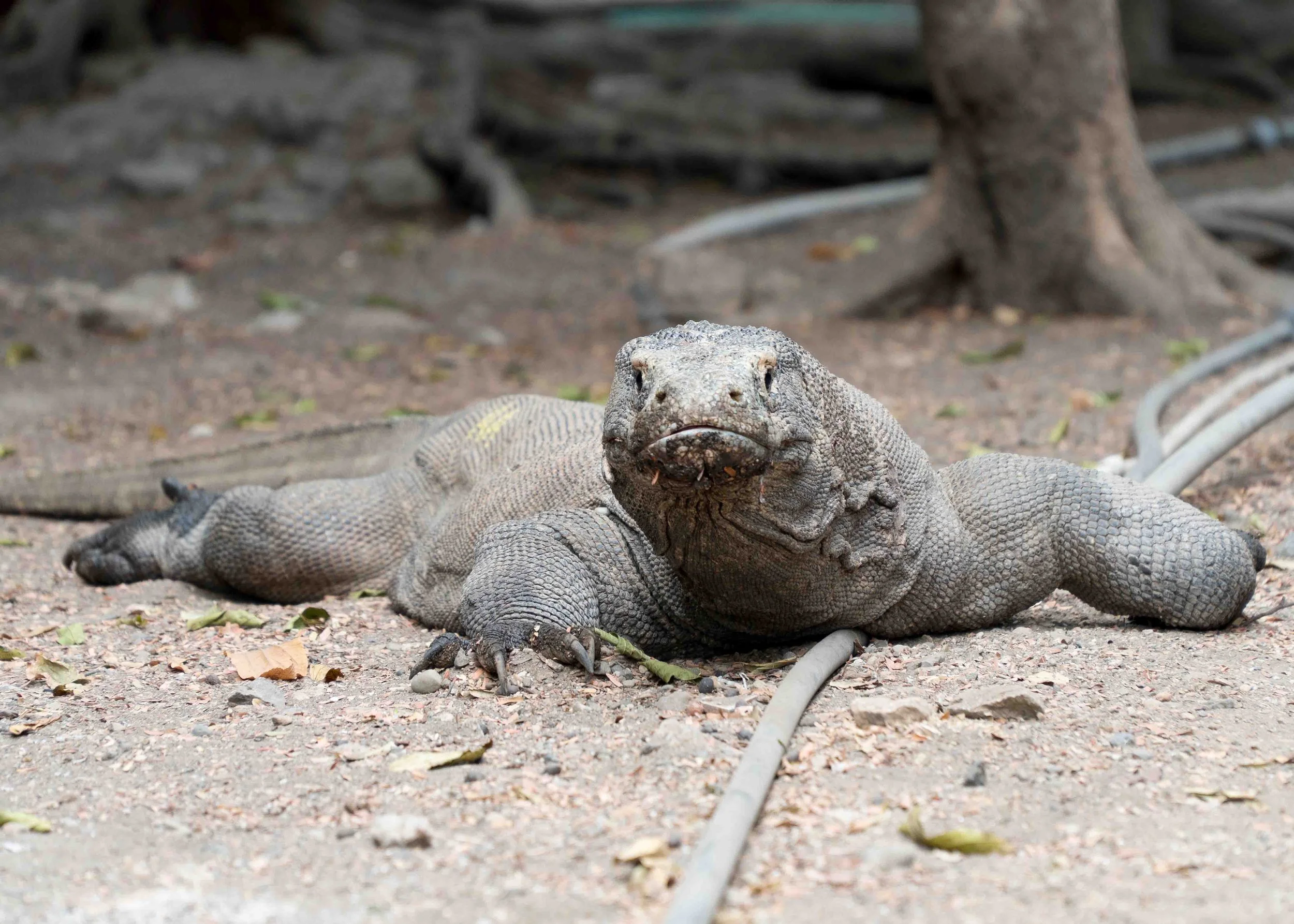
The awesome, deadly Komodo Dragon - worlds largest lizard
If you're deciding which option is best for your trip, see our full comparison of liveaboard vs resort diving.
Final Thoughts: Is Komodo Worth It?
Few dive destinations deliver the combination of excitement, diversity, and marine life found in Komodo National Park. From current-swept pinnacles packed with fish to calm coral reefs and reliable manta encounters, the region offers an incredible range of underwater experiences.
What makes Komodo truly special is its balance of intensity and variety. One dive might involve drifting through dense schools of fish in strong currents, while the next offers a calm reef filled with turtles and vibrant coral life.
For divers who enjoy action, marine life, and constantly changing conditions, Komodo stands out as one of the most rewarding destinations in the world. At the same time, its range of dive sites means there is something here for a wide variety of experience levels.
Whether you choose a liveaboard adventure or a land-based stay in Labuan Bajo, diving in Komodo is an experience that stays with you long after the trip ends.
FAQ: Komodo Diving
What are the best dive sites in Komodo?
Some of the best dive sites in Komodo National Park include Batu Bolong, Manta Point, Castle Rock, Crystal Rock, and Tatawa Besar. These sites offer a mix of pelagic encounters, manta ray sightings, drift diving, and vibrant coral reefs, showcasing the diversity of Komodo diving.
When is the best time to dive Komodo?
Diving in Komodo is possible year-round, but the best overall conditions are typically from April to November, when seas are calmer and visibility is more consistent. Manta rays can be seen throughout the year, with strong encounters often in central Komodo.
Is Komodo suitable for beginner divers?
Komodo offers dive sites for a range of experience levels, but many of the most famous locations involve moderate to strong currents. Beginners can still enjoy diving in Komodo at calmer sites with experienced guides, but confidence in the water and good buoyancy control are important.
Can you see manta rays in Komodo?
Yes — Komodo is one of the best places in Indonesia to see manta rays, particularly at sites like Manta Point. Encounters are common year-round, and divers often see multiple mantas on a single dive.
Do you need a permit to dive Komodo?
Yes, all visitors to Komodo National Park must pay park entrance and diving fees, which are usually arranged by your dive operator or included in your trip. These fees support conservation and marine protection in the region.
How many days should you dive in Komodo?
Most divers spend 3 to 5 days diving in Komodo, which allows enough time to explore several of the park’s best dive sites. Liveaboard trips typically run longer and offer access to a wider range of locations.