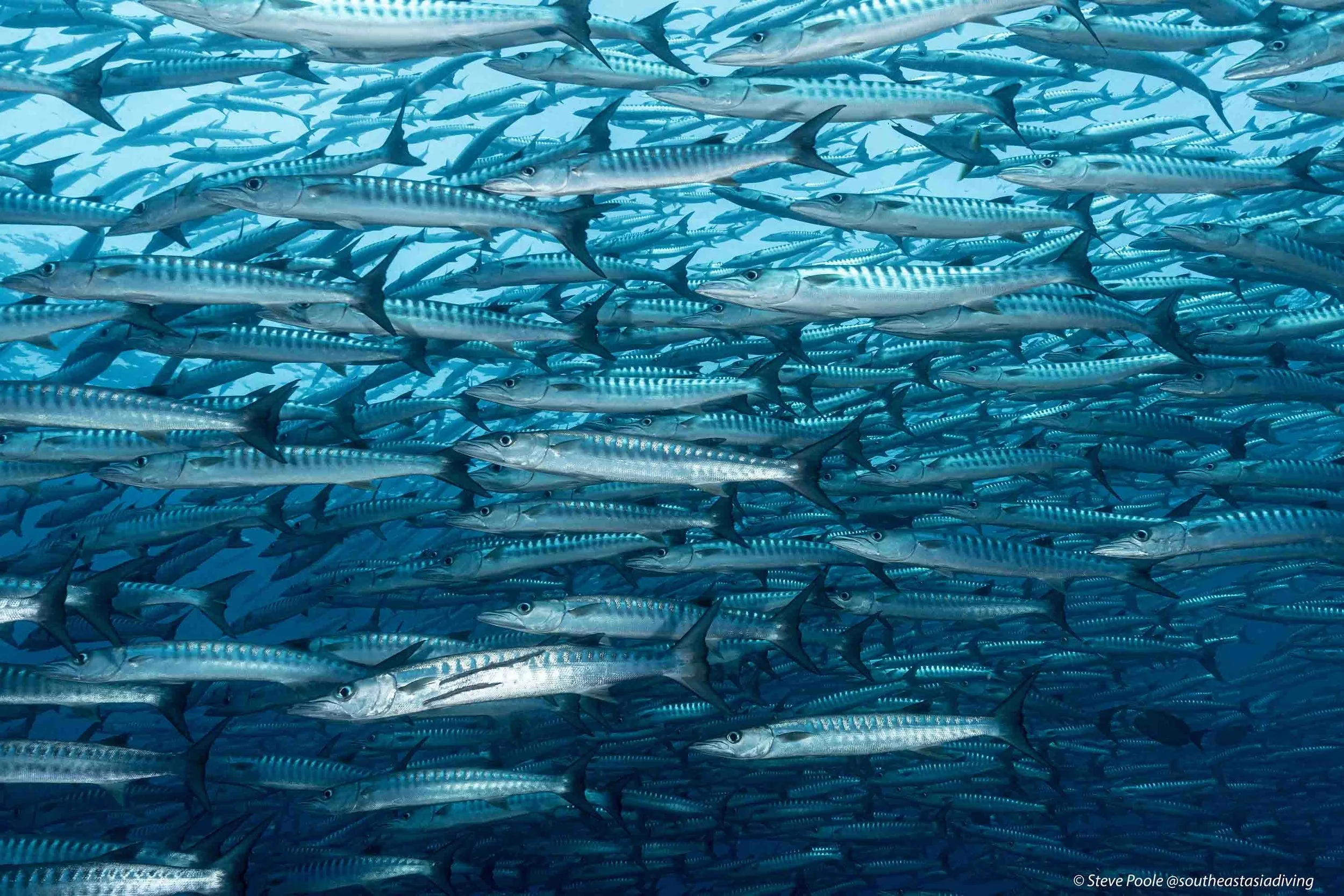
The famous Barracuda Tornado at Sipadan, Malaysia
The dive that changed everything wasn't in Sipadan, Raja Ampat or Komodo. It wasn't even a dive I had travelled particularly far to do. Instead, it took place at Rengis Island, just off Tioman Island in Malaysia, during a weekend trip not long after I moved to Kuala Lumpur in 2015. At the time, I hadn't been diving regularly for years. Before heading out, I completed a short refresher course at the old Berjaya Tioman Resort, awkwardly rediscovering skills that had become rusty through lack of use. The equipment felt familiar but distant, like reconnecting with an old friend after years apart. I was looking forward to being underwater again, but I wasn't expecting a dive that would quietly alter the direction of my life.
As we descended, one of the first things I saw was a blacktip reef shark cruising effortlessly across the reef. Growing up in the UK, my perception of sharks had been shaped largely by documentaries, films and newspaper headlines, most of which portrayed them as something dangerous and intimidating. Yet there was nothing threatening about this encounter. The shark moved through the water with a grace that was almost hypnotic, paying little attention to the divers around it. Later in the same dive, a green turtle appeared and glided calmly across the reef as though it owned the place. Combined with the vibrant coral and abundance of marine life, it felt like stepping into a completely different world. By the time I climbed back onto the boat, I realised I was grinning. Looking back now, Rengis Island is far from the most spectacular dive site I have ever visited, but it remains one of the most important because that single dive reignited a passion that had quietly faded into the background. Without it, there is a very real possibility that many of the adventures that followed would never have happened.
The truth is that my diving story had begun many years earlier during a family holiday in Crete. It was my mum who persuaded me to give scuba diving a try. At the time, I wasn't particularly interested and certainly didn't imagine it would become a lifelong passion. Yet after enough encouragement, I signed up for a try dive and then another a few days later. Looking back, there was nothing extraordinary about those dives. What stayed with me wasn't a particular fish or a dramatic underwater landscape, but the simple sensation of breathing underwater for the first time. It felt unnatural and completely normal at the same time. More importantly, it sparked a curiosity about a world I had previously known almost nothing about.
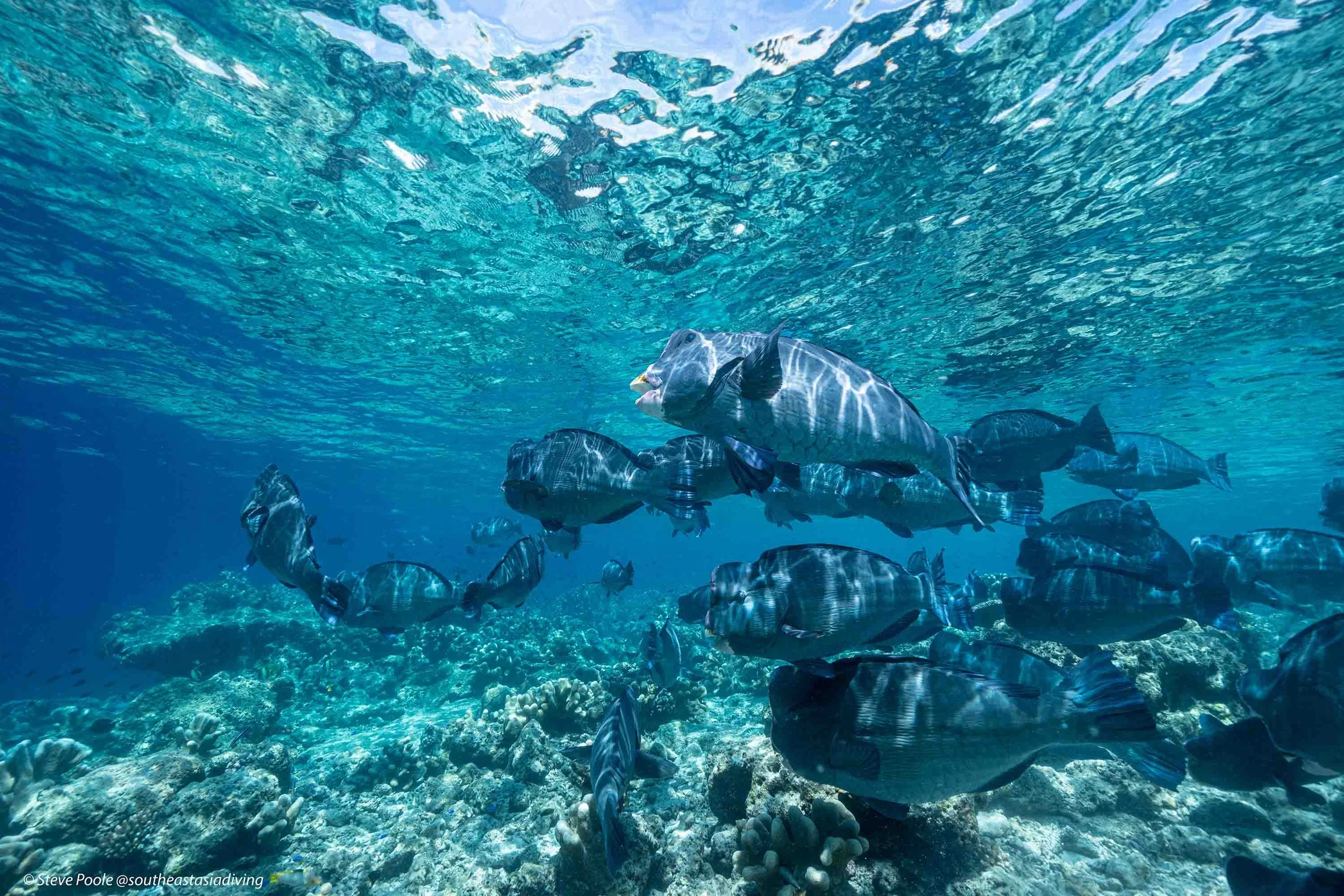
Bumphead Parrotfish
When I returned to the UK, I convinced several friends that we should all learn to dive properly. In my mind, I suspect I was still imagining warm Mediterranean water, colourful fish and leisurely days spent on tropical dive boats. The reality was rather different. Our Open Water course took place in Plymouth and involved exactly the sort of conditions British diving is famous for. The water was cold, the visibility was often limited and my drysuit seemed determined to leak whenever possible. Some of our training dives took place in a flooded quarry, which lacked almost every romantic quality I had associated with scuba diving. Instead of colourful reefs and turtles, there were submerged platforms, training exercises and the occasional fish emerging from the gloom. It wasn't quite the glamorous underwater lifestyle I had imagined while floating around in the Mediterranean sunshine.
Yet despite all of that, I still loved it. Looking back, I think that says something important about why diving appealed to me in the first place. The attraction was never really about warm water or exotic destinations. Those things certainly help, but what captured my imagination was the sense of exploration. Even in a cold quarry in England, there was something fascinating about descending beneath the surface and entering a world that felt completely separate from everyday life. At the time, however, I had no idea how important those early experiences would become. Diving remained an occasional hobby rather than a central passion, and over the following years it gradually faded into the background as work and life took priority.
It would take a move to Southeast Asia to change that.
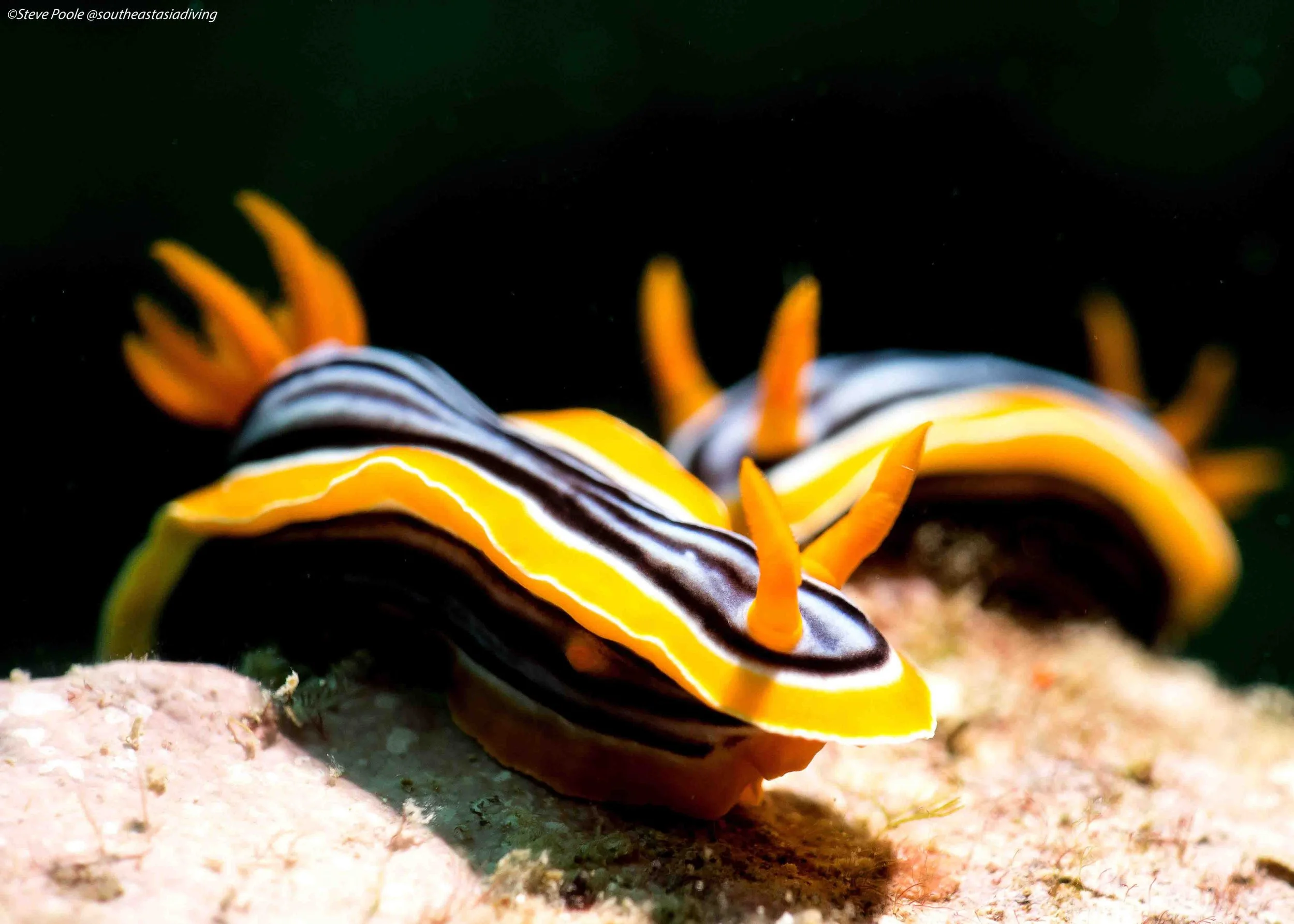
Colorful Chromodoris Nudibranchs at Pulau Tenggol, Malaysia
Living in Kuala Lumpur suddenly placed one of the most extraordinary diving regions on the planet within easy reach. What began as a simple desire to get back underwater quickly evolved into something much bigger. Before long, I found myself spending weekends exploring the islands off Peninsular Malaysia's east coast. Tioman, Redang, Perhentian and Tenggol became regular escapes from city life, each offering another opportunity to rediscover what I loved about diving. Those islands remain incredibly special to me, not because they are necessarily the most famous dive destinations in Southeast Asia, but because they became the backdrop to my rediscovery of the sport. They were where I rebuilt confidence, gained experience and developed the habit of throwing a bag into the car on a Friday evening and heading for the coast. Some of my favourite memories aren't from bucket-list destinations at all, but from simple weekends away, sharing boat rides with friends, eating fresh seafood after a day of diving and waking up knowing there was nowhere else I needed to be.
As my experience grew, so did my curiosity. Inevitably, that curiosity led me towards some of Southeast Asia's most celebrated destinations. Sipadan immediately justified its reputation. Watching enormous schools of barracuda spiral through the water column while turtles drifted effortlessly along the reef remains one of the most impressive underwater spectacles I have ever witnessed. Raja Ampat left a different impression. What struck me wasn't a single iconic encounter but the overwhelming abundance of life. Every dive seemed richer than the last. Every reef appeared alive with movement. It felt less like visiting a dive destination and more like stepping into a version of the ocean untouched by scarcity. Komodo offered something else again, combining dramatic currents, thriving reefs and an ever-present sense of adventure. Some dives felt less like sightseeing and more like participation in a living ecosystem, where the current dictated the pace and every corner of the reef seemed occupied by something interesting.
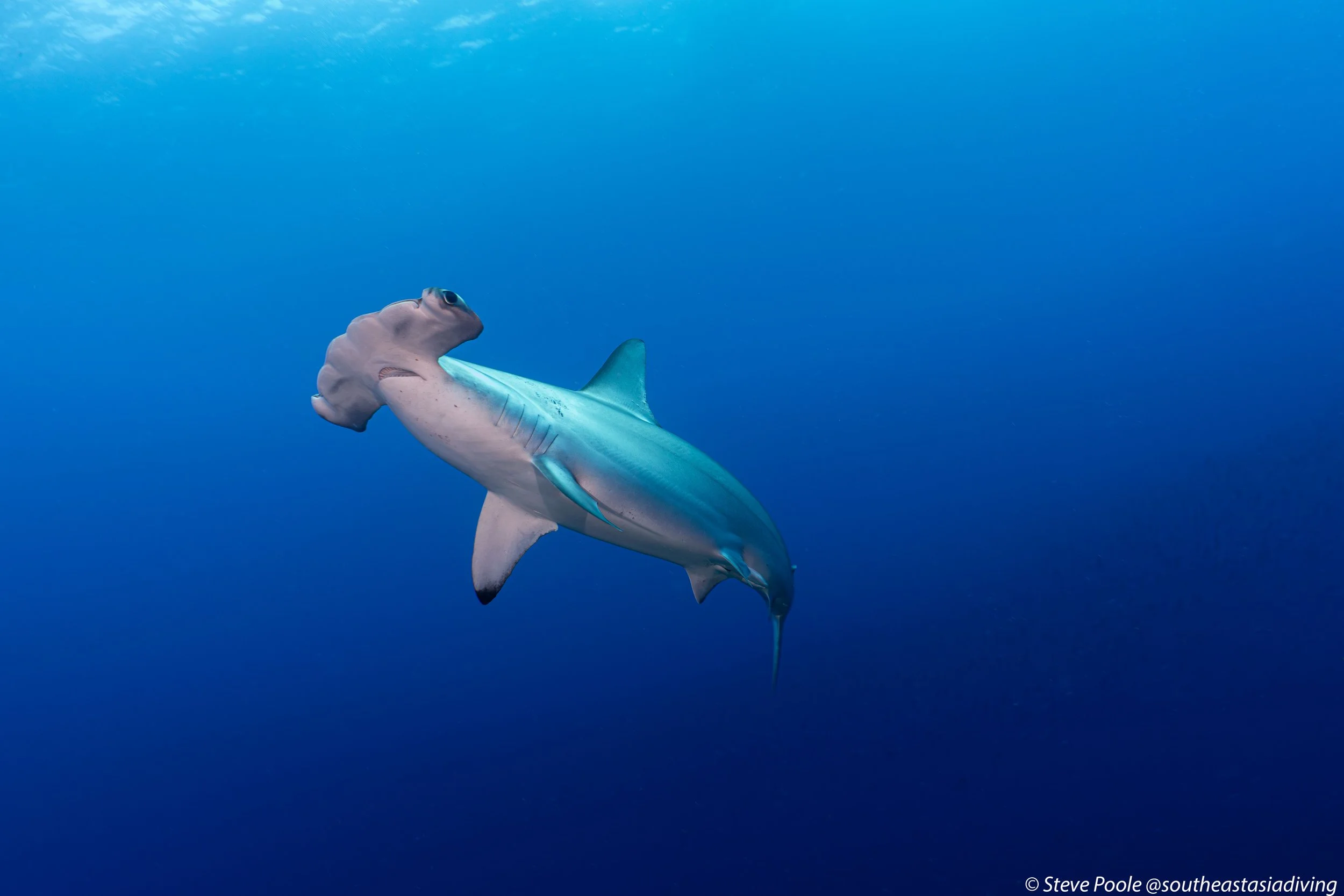
Scalloped Hammerhead in the Galapagos
What struck me over time was not that any one destination was perfect, but that Southeast Asia as a whole seemed capable of offering almost every type of diving imaginable. Over the years I have been fortunate enough to dive in many remarkable places outside the region. I've explored the wrecks of North Carolina, descended beneath frozen lakes in upstate New York, dived with sharks in the Bahamas, explored reefs in Florida and the US Virgin Islands, and experienced the extraordinary wildlife encounters of the Galápagos. I've also dived the Cenotes of Mexico, which remain among the most unique underwater environments I have ever encountered. The Cenotes are perhaps the one thing Southeast Asia cannot genuinely compete with. Floating through flooded cave systems illuminated by shafts of sunlight feels almost otherworldly, while ice diving beneath a frozen lake belongs in a category entirely of its own. Yet while other regions may dominate individual niches, nowhere I have visited combines such a wide variety of world-class diving experiences in one place.
If I want spectacular coral reefs, they are there. If I want exhilarating drift dives, they are there. If I want schooling fish, sharks, turtles and pelagic encounters, they are there. If I want wrecks, they are there. And if I want macro diving, I honestly struggle to think of another region on Earth that consistently rivals it. In the space of a few trips, I have drifted through Komodo's currents, watched barracuda tornadoes form above Sipadan's reefs, searched for mandarinfish at dusk in Malaysia and spent entire dives fascinated by creatures smaller than my fingernail. Few places offer that breadth of experience, and fewer still offer it with such accessibility.
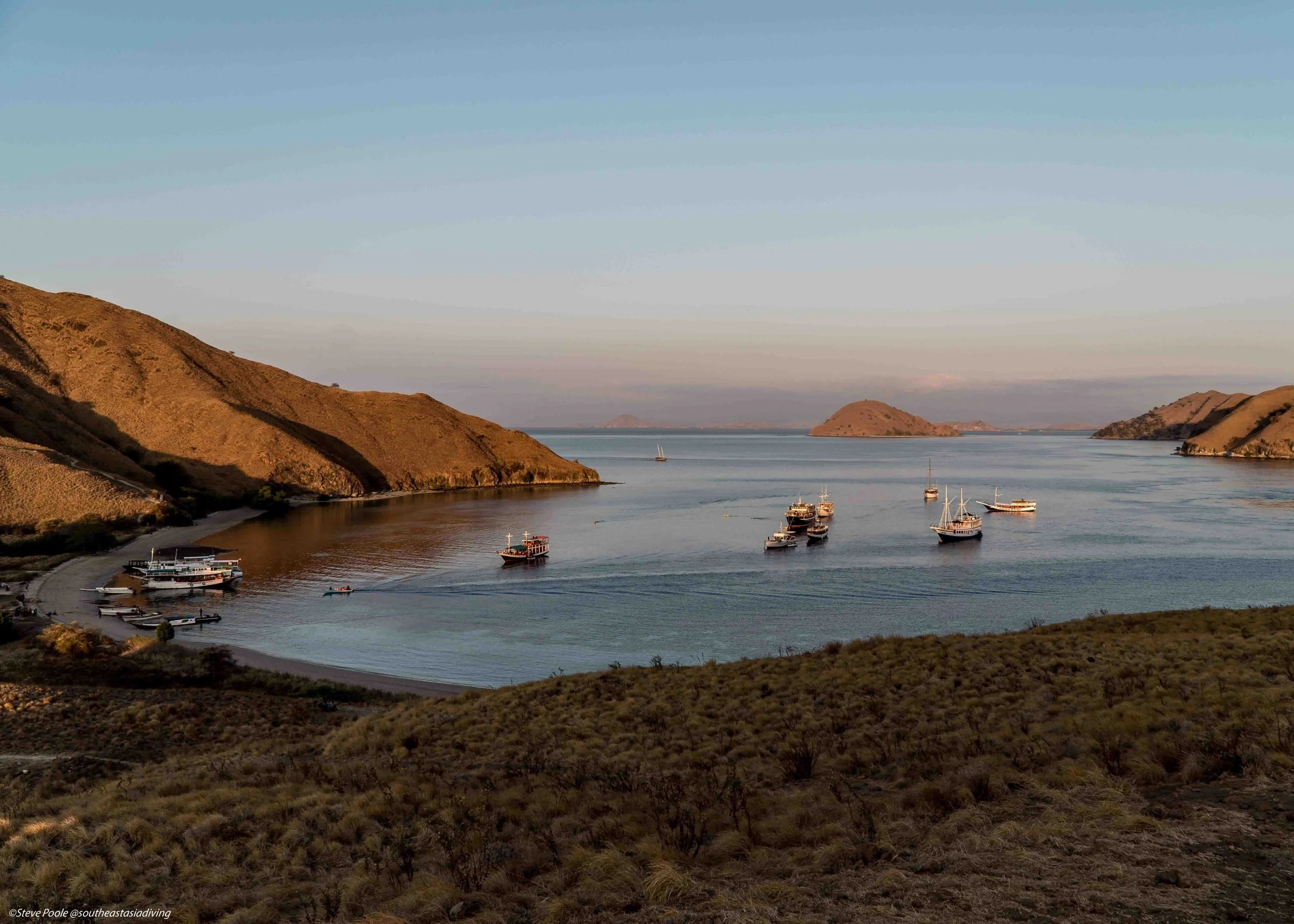
Sunset over Komodo
Southeast Asia didn't just reignite my passion for diving; it transformed the way I experienced it. Like many underwater photographers, I started with a GoPro and little ambition beyond capturing a few memories. During a dive trip to Bali with my brother-in-law, however, I realised that carrying a camera was changing the way I looked at the underwater world. Photography encouraged me to slow down. Instead of constantly searching for the next big encounter, I began noticing details that I might previously have swum straight past. Tiny nudibranchs no larger than a fingernail, shrimp hidden amongst coral branches and perfectly camouflaged frogfish suddenly became subjects worthy of careful attention. Photography taught me patience, observation and an appreciation for the smaller creatures that many divers never notice.
One camera upgrade quickly led to another. Looking back, I sometimes wish I had made the leap to a dedicated camera system sooner. Some of my earliest trips to Raja Ampat and Komodo took place before I owned the equipment I use today, and many of the moments I remember most vividly exist only in memory rather than in photographs. For a long time, I viewed that as a missed opportunity. Increasingly, though, I see it differently. Those missing photographs have become a reason to return. Part of me would love to revisit those places with the experience and equipment I have now, to photograph reefs I once simply admired and to capture encounters that previously existed only in memory. At the same time, I recognise that returning to a place you love always carries a degree of risk. Time changes destinations. Reefs evolve. Resorts expand. Favourite dive guides move on. Perhaps what I really hope is that the magic remains, not necessarily unchanged, because nothing ever truly stands still, but recognisable enough to reconnect with the feelings that made those places special in the first place.
Since leaving Southeast Asia, I've been fortunate enough to experience some of the destinations that sat on my diving bucket list for years. I've drifted alongside tiger sharks at Tiger Beach in the Bahamas, experienced the extraordinary marine life of the Galápagos and explored several destinations that once felt impossibly distant. In many ways, moving away created opportunities to explore parts of the underwater world that might otherwise have remained dreams. Yet there is something slightly strange I've noticed over the years. No matter how many new destinations I visit, my thoughts somehow keep drifting back east.
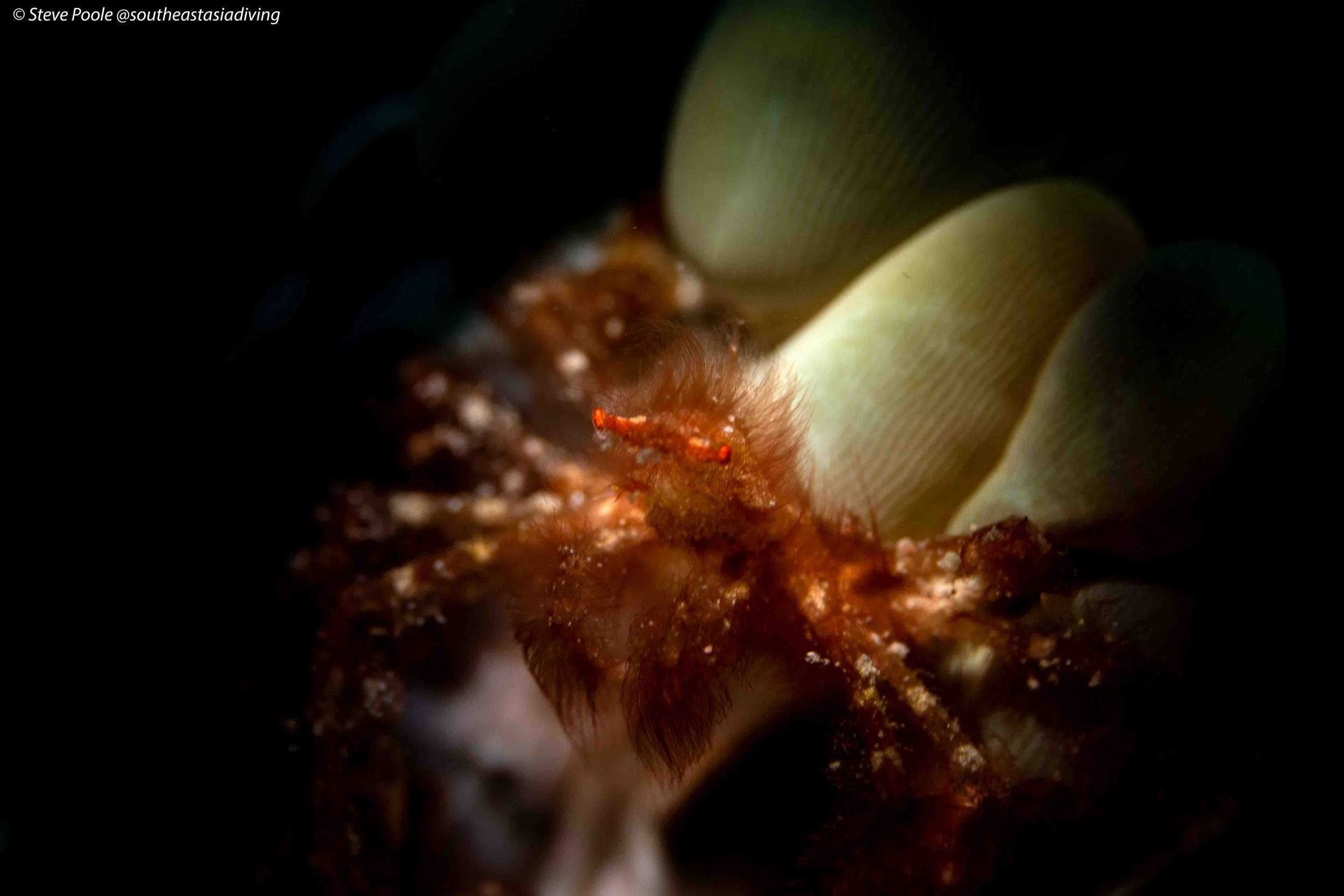
Weird and Wonderful: An Orangutan Crab
The truth is that I miss Southeast Asia.
Not in a dramatic way, but in the quiet way that people miss places that have become part of who they are. I miss the anticipation of a Friday evening flight out of Kuala Lumpur. I miss the familiar sight of dive gear piled onto small boats before sunrise. I miss wandering down a jetty after breakfast wondering what I might see that day. Most of all, I miss the feeling that almost anything was possible. Part of that is undoubtedly nostalgia. We all tend to remember places through the lens of our happiest moments. But I don't think that's the entire explanation.
Southeast Asia occupies a unique place in my own story because it wasn't simply somewhere I travelled to dive. It was where I became a diver. Not in the certification sense—that happened years earlier in Plymouth—but in every other sense that matters. It was where I developed confidence, where I gained experience, where I discovered underwater photography and where I learned the difference between seeing the underwater world and truly observing it. The region shaped the way I dive today. It shaped the way I travel. In many ways, it even shaped the way I tell stories.
Another reason I find myself returning to Southeast Asia, at least in my imagination, is that it never feels finished. This is an enormous region stretching across thousands of islands, cultures and ecosystems. Even after living in Malaysia for the best part of a decade and spending years travelling throughout the region, I still feel as though I have only scratched the surface. For every destination I have visited, there seem to be several more waiting to be explored. The more I learned about Southeast Asia, the larger it seemed to become. There are reefs I haven't explored, islands I haven't visited and species I haven't photographed. Few places manage to retain that sense of mystery after years of exploration.
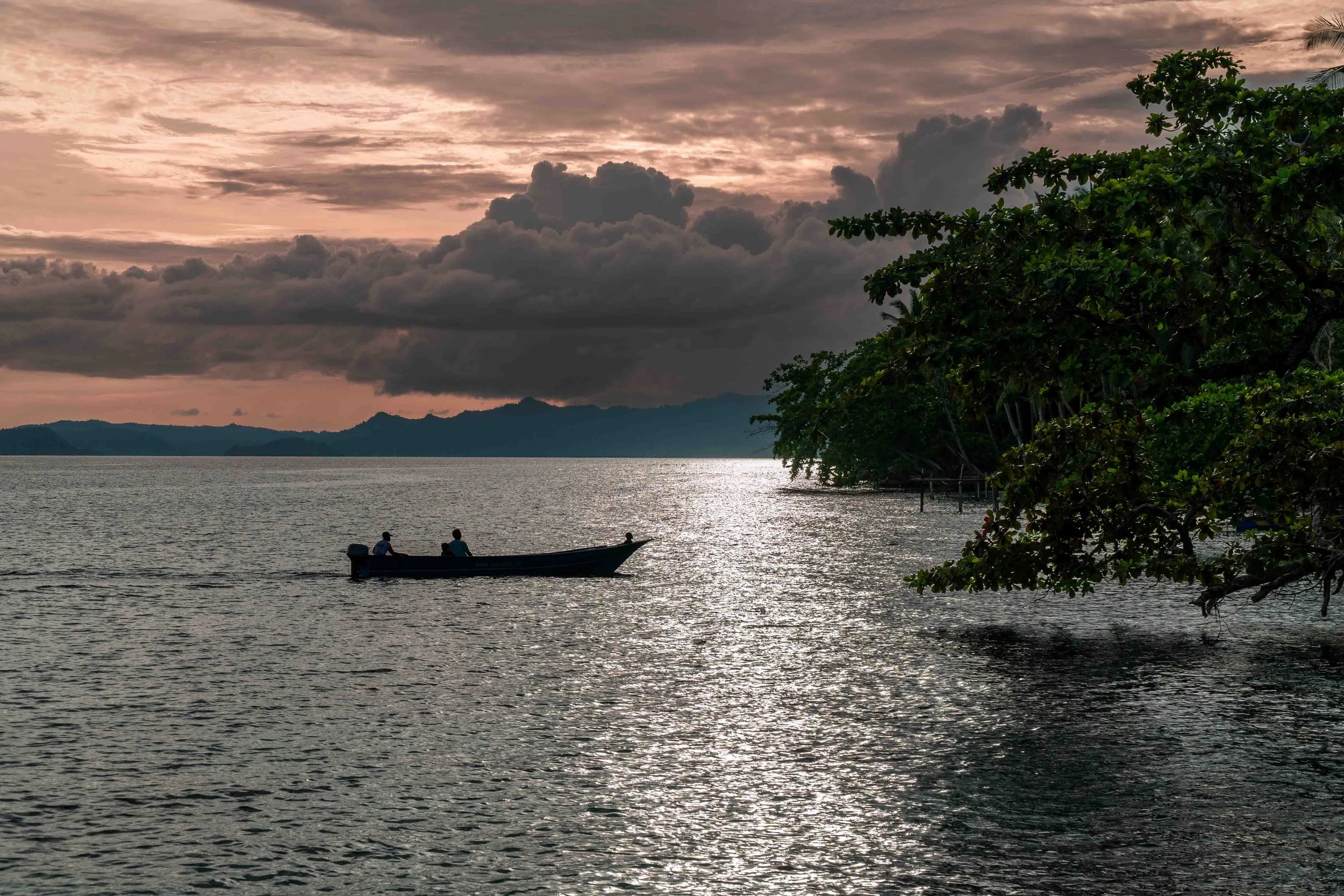
The stunning landscape of Raja Ampat
When I look back now, I can trace a surprisingly direct line from those first tentative dives in Crete to the life I enjoy today. Without that family holiday, I may never have learned to dive. Without Tioman, I may never have rediscovered the sport after years away. Without that rediscovery, I doubt I would have travelled to Sipadan, Raja Ampat or Komodo, become an underwater photographer or eventually create SoutheastAsiaDiving.com.
For me, that is the real magic of Southeast Asia. It is not simply a collection of dive sites scattered across a map. It represents friendships, adventures, thousands of photographs, countless dawn boat rides and a passion that has enriched my life in ways I could never have anticipated all those years ago. I've been fortunate enough to dive in many extraordinary places around the world, and I hope to discover many more in the years ahead. Yet whenever I find myself planning the next adventure, my thoughts almost always drift back towards Southeast Asia, partly because of what I have already experienced there, but perhaps even more because of everything I haven't. After all these years, it still feels as though there is something waiting just beyond the horizon, and perhaps that is why no matter where else I dive, Southeast Asia continues to call me back.
Frequently Asked Questions
What makes diving in Southeast Asia so special?
Southeast Asia offers an exceptional variety of underwater experiences within one region. Divers can explore vibrant coral reefs, dramatic drift dives, historic wrecks and world-class macro sites while encountering everything from tiny nudibranchs to sharks, turtles and enormous schools of fish.
Where did the author rediscover his passion for diving?
The author rediscovered his passion at Rengis Island, near Tioman Island in Malaysia. During the dive, encounters with a blacktip reef shark and a green turtle reminded him why he had fallen in love with the underwater world.
Where did the author first learn to scuba dive?
His first experience of scuba diving was during a family holiday in Crete. After returning to the UK, he completed his Open Water course in Plymouth, training in cold water, limited visibility and a frequently leaking drysuit.
Which Southeast Asian diving destinations are mentioned in the article?
The article highlights Tioman, Redang, Perhentian and Tenggol in Malaysia, along with internationally renowned destinations including Sipadan, Raja Ampat, Komodo and Bali.
What can divers expect to see at Sipadan?
Sipadan is famous for dramatic encounters with marine life. The author recalls watching huge schools of barracuda spiral through the water while turtles moved effortlessly along the reef.
How do Raja Ampat and Komodo differ?
Raja Ampat stands out for the extraordinary abundance and diversity of life across its reefs. Komodo offers a more energetic experience, combining powerful currents, healthy reefs and adventurous dives shaped by the movement of the water.
Is Southeast Asia suitable for underwater macro photography?
Yes. Southeast Asia is one of the world’s finest regions for macro diving and underwater photography. Its reefs are home to nudibranchs, shrimp, frogfish, mandarinfish and many other small or well-camouflaged creatures.
How did underwater photography change the author’s diving?
Photography encouraged him to slow down and observe the reef more carefully. Instead of searching only for large animals, he began noticing tiny creatures and subtle details that he might previously have overlooked.
Does Southeast Asia offer diving for different experience levels?
Yes. The region includes accessible reefs suitable for relaxed recreational diving as well as challenging sites with powerful currents. Divers should select destinations and individual dive sites that match their training, confidence and experience.
Why does the author keep returning to Southeast Asia?
Southeast Asia is where he developed his confidence, gained experience and discovered underwater photography. Beyond its remarkable diving, the region represents friendships, adventures and an enduring sense that countless reefs, islands and species are still waiting to be discovered.